







Now Reading: Delhi-NCR Smog Worsens as AQI Hits Hazardous Levels Again
-
01
Delhi-NCR Smog Worsens as AQI Hits Hazardous Levels Again
Delhi-NCR Smog Worsens as AQI Hits Hazardous Levels Again
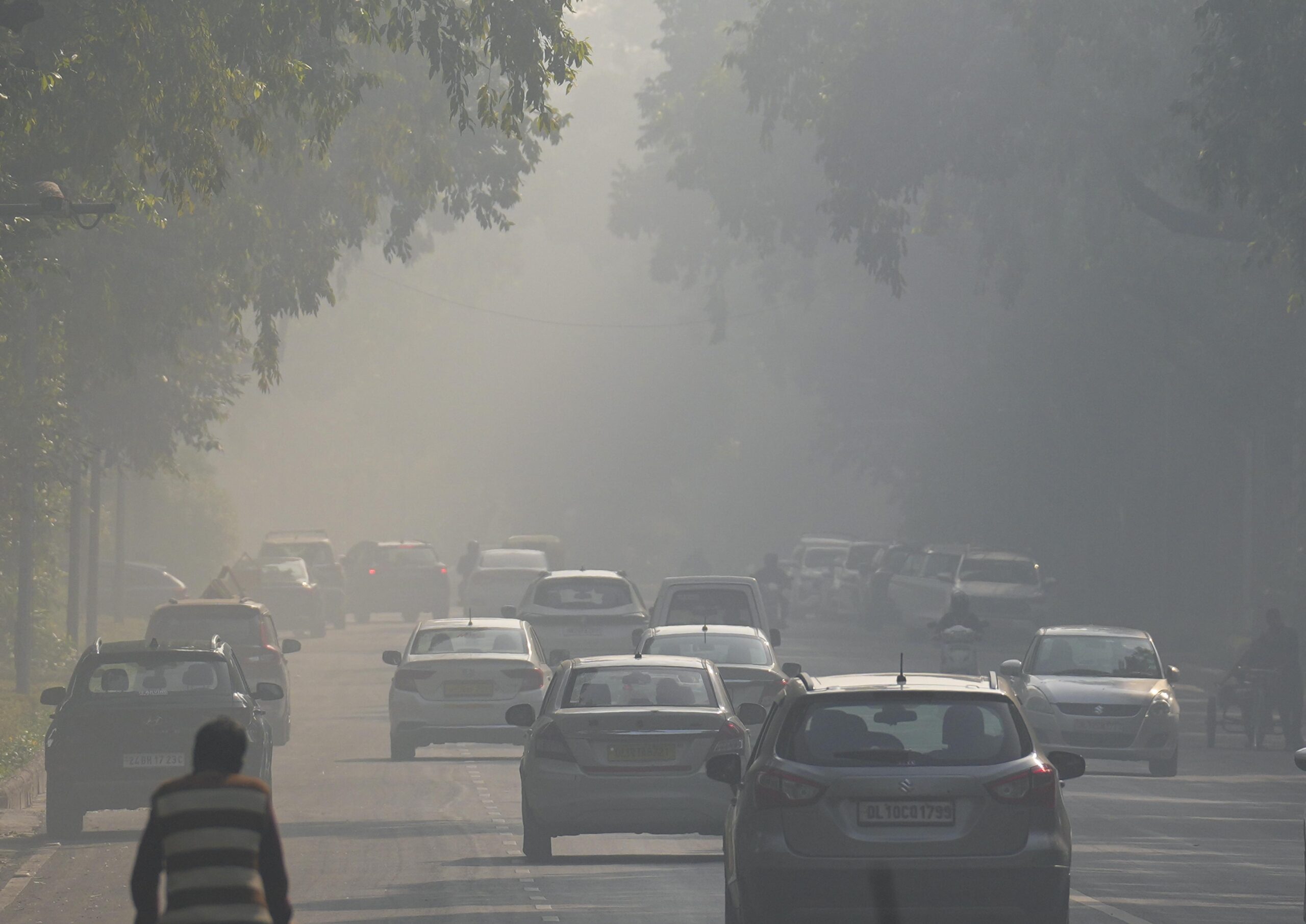
Delhi-NCR smog has worsened sharply as air quality index levels returned to the hazardous category across several monitoring stations. A combination of local pollution sources, unfavourable weather conditions, and seasonal factors has once again pushed air quality to levels that pose serious health risks.
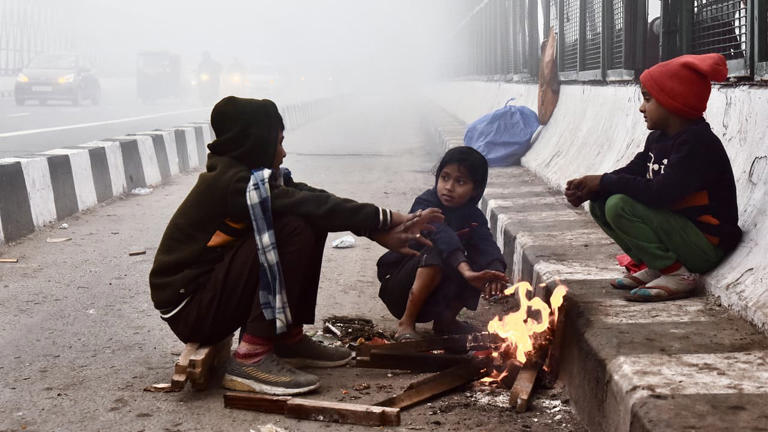
The Delhi-NCR smog situation deteriorated rapidly over the past 48 hours, with AQI readings crossing the 450 mark in multiple areas, placing them firmly in the hazardous category. Residents woke up to dense haze, reduced visibility, and a sharp smell of pollutants lingering through the day. Morning hours were particularly affected, with visibility dropping significantly on major roads and highways.
AQI readings signal severe health risk across NCR
Air quality monitors across central Delhi, Ghaziabad, Noida, Gurugram, and Faridabad recorded AQI values ranging between very poor and hazardous. According to standard air quality classifications, any AQI above 400 is considered hazardous and can affect even healthy individuals. Prolonged exposure increases the risk of respiratory distress, cardiovascular strain, and eye and throat irritation.
Hospitals across the region reported a noticeable increase in patients complaining of breathlessness, persistent cough, chest discomfort, and aggravated asthma symptoms. Children, elderly citizens, and people with pre-existing respiratory conditions remain the most vulnerable during such pollution spikes.
Weather conditions intensify Delhi-NCR pollution levels
Unfavourable meteorological conditions have played a major role in trapping pollutants over the region. Low wind speed, high humidity, and colder night temperatures have limited the vertical dispersion of pollutants. Temperature inversion, a common winter phenomenon in North India, has further prevented polluted air from rising and dispersing.
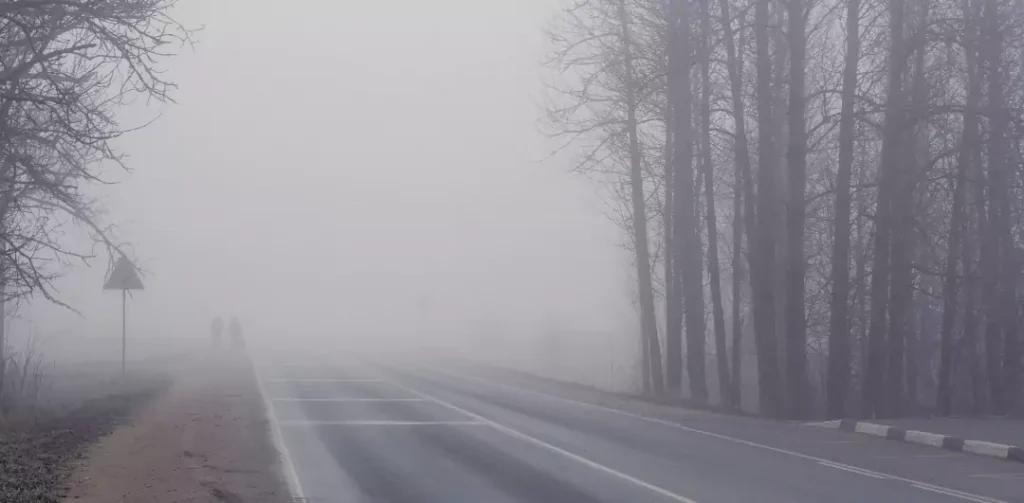
Foggy conditions during early mornings have added to visibility concerns, especially for road and air traffic. With no strong western disturbance or rainfall forecast in the immediate future, pollution levels are expected to remain elevated unless emission sources are strictly controlled.
Key pollution sources contributing to current smog
Vehicular emissions remain a major contributor, especially during peak traffic hours when congestion increases exhaust output. Construction dust from ongoing infrastructure projects continues to add particulate matter into the air, despite existing restrictions. Industrial emissions from nearby clusters, combined with biomass burning and residual stubble smoke drifting from neighbouring states, have worsened the overall air quality mix.
Firecracker residue from earlier festivities has also not fully settled, adding to fine particulate matter concentrations. Although enforcement drives are ongoing, compliance remains inconsistent across sectors.
Emergency measures and government response
Authorities have activated pollution control protocols, including restrictions on construction activities, intensified vehicle checks, and advisories encouraging work-from-home where possible. Schools in several districts have adjusted outdoor activity schedules to limit children’s exposure during peak pollution hours.
Traffic police have issued advisories urging commuters to use public transport and avoid unnecessary travel during early mornings and late evenings. Environmental agencies continue to monitor air quality data hourly and may recommend additional emergency measures if AQI levels persist in the hazardous zone.
Health advisory for residents amid hazardous air quality
Doctors recommend limiting outdoor exposure, especially during early mornings when pollution concentration is highest. Wearing properly fitted N95 masks, keeping windows closed during peak pollution hours, and using air purifiers indoors can help reduce exposure. Staying hydrated and seeking medical attention at the first sign of respiratory discomfort is strongly advised.
People with chronic respiratory or heart conditions are advised to strictly follow prescribed medication schedules and avoid physical exertion outdoors. Parents are encouraged to monitor children closely for symptoms such as coughing, wheezing, or unusual fatigue.
Outlook for air quality in coming days
Forecast models suggest that unless strong winds or rainfall occur, the Delhi-NCR smog situation may continue for the next few days. Authorities are expected to review pollution data daily and tighten restrictions if required. Experts stress that long-term solutions require sustained emission reduction strategies rather than short-term emergency responses alone.
Public cooperation, stricter enforcement, and regional coordination remain critical to preventing repeated episodes of hazardous air quality during the winter months.
Takeaways
Delhi-NCR AQI levels have entered the hazardous category again, posing serious health risks
Weather conditions like low wind speed and temperature inversion are trapping pollutants
Vehicular emissions, construction dust, and regional pollution sources are key contributors
Health experts advise limiting outdoor exposure and using protective measures
FAQs
What does hazardous AQI mean for daily life?
Hazardous AQI indicates extremely unhealthy air that can affect everyone, including healthy individuals, and can trigger serious health issues with prolonged exposure.
Which groups are most at risk during severe smog?
Children, elderly people, pregnant women, and those with asthma, COPD, or heart conditions face higher health risks during hazardous air quality episodes.
Is the pollution expected to improve soon?
Improvement depends on weather changes such as strong winds or rainfall. Without these, air quality may remain poor for several days.
What precautions should residents take immediately?
Avoid outdoor activities, wear protective masks, keep indoor air clean, and consult a doctor if symptoms like breathlessness or persistent coughing appear.