





Now Reading: Delhi Noida Cold Wave Intensifies As Snowfall Triggers Dense Fog
-
01
Delhi Noida Cold Wave Intensifies As Snowfall Triggers Dense Fog
Delhi Noida Cold Wave Intensifies As Snowfall Triggers Dense Fog

A severe cold wave has tightened its grip on Delhi and Noida as snowfall in nearby Himalayan regions pushes temperatures lower and dense fog conditions disrupt daily life across the National Capital Region.
Delhi Noida cold wave conditions have intensified due to fresh snowfall in the western Himalayan states and persistent northwesterly winds. While snow has not occurred in Delhi NCR itself, snowfall in Himachal Pradesh, Uttarakhand, and Jammu and Kashmir has significantly dropped night temperatures and increased moisture levels, leading to widespread dense fog forecasts across the plains.
Cold Wave Conditions Deepen Across Delhi NCR
Minimum temperatures in Delhi and Noida have dipped well below seasonal averages, with several monitoring stations reporting sharp early morning chills. The cold wave classification applies when temperatures fall below normal thresholds for consecutive days, which is currently the case across much of northwest India.
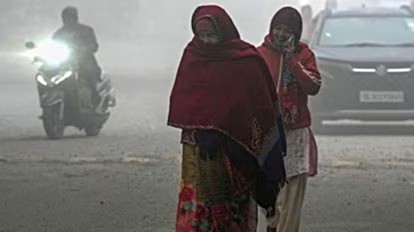
The cold air mass moving southward from snow covered hill regions has strengthened surface level winds, increasing wind chill effects. Residential areas in Noida, Ghaziabad, and Gurugram have experienced colder nights compared to central Delhi, especially in open and semi urban zones. Health officials have advised caution for the elderly and children due to prolonged cold exposure.
Snowfall In Hills Drives Weather Pattern Shift
Snowfall in the higher reaches of Himachal Pradesh and Uttarakhand plays a key role in the current weather pattern. Fresh snow cover reflects heat and cools the overlying air, which then descends into the plains. This process accelerates cold wave intensity in Delhi NCR.
As cold air interacts with existing moisture in the atmosphere, it increases the likelihood of fog formation. This is a common winter pattern in northern India, where hill snowfall indirectly affects plains weather for several days. Meteorological models indicate that the cold air advection will persist, keeping temperatures suppressed.
Dense Fog Forecast Disrupts Transport
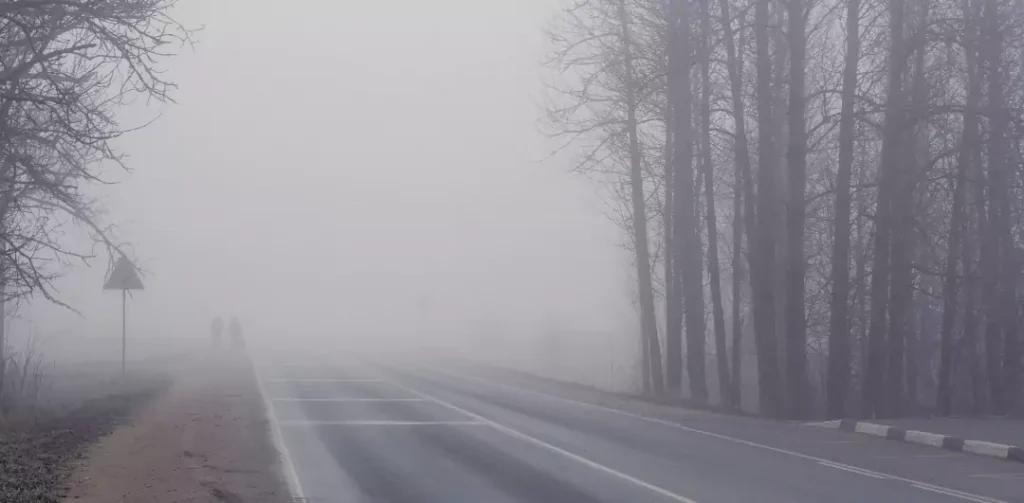
Dense fog forecast warnings have been issued for early morning and late night hours, particularly impacting road, rail, and air traffic. Visibility levels are expected to drop sharply in pockets, especially near river belts and low lying areas.
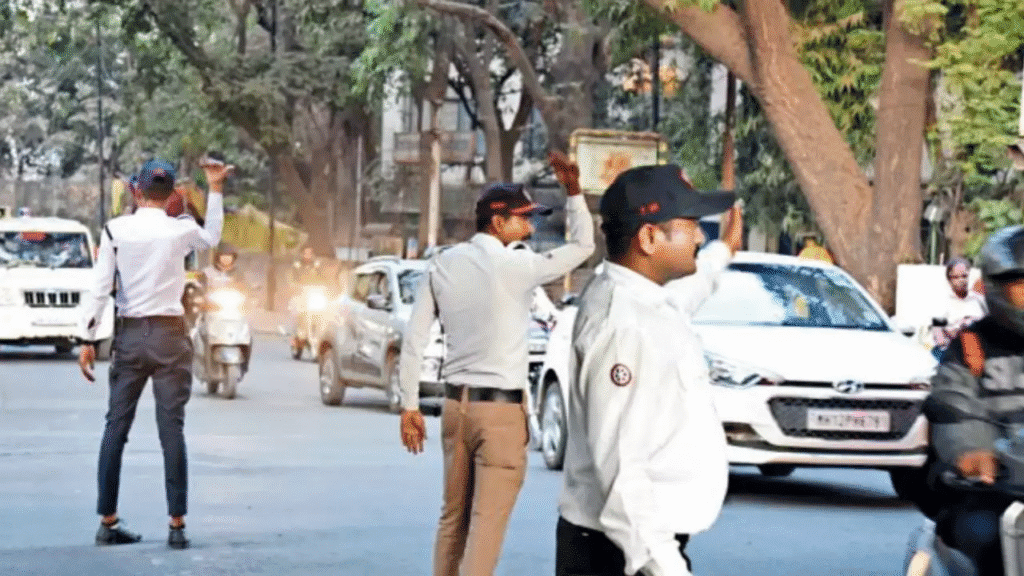
Train delays have already been reported across northern routes, while flight schedules at Delhi airport remain vulnerable during peak fog hours. Traffic police have urged motorists to use fog lights and maintain safe distances. Schools in some areas are adjusting morning timings to reduce exposure risks for students.
Health Advisory And Safety Measures
Health authorities have highlighted increased cases of cold related ailments such as respiratory infections, joint pain flare ups, and seasonal flu. Prolonged exposure to low temperatures can also worsen cardiovascular conditions.
Residents are advised to limit early morning outdoor activities, wear layered clothing, and ensure adequate heating indoors. Homeless shelters across Delhi NCR have increased capacity and night patrols to assist vulnerable populations during peak cold wave days.
When Relief Is Expected
Weather patterns suggest that relief from the cold wave will depend on wind direction changes and reduction in fog density. A shift to easterly winds or increased sunshine could gradually raise daytime temperatures, though nights are expected to remain cold.
Until then, Delhi Noida cold wave conditions are likely to persist, with dense fog continuing to be a major concern. Authorities are monitoring developments closely and may issue updated advisories if conditions worsen further.
Takeaways
Snowfall in nearby Himalayan states is intensifying the Delhi Noida cold wave
Dense fog is expected to disrupt transport during early mornings and nights
Health risks increase during prolonged cold exposure, especially for vulnerable groups
Relief depends on wind shifts and reduction in moisture levels
FAQs
Is it snowing in Delhi or Noida?
No, snowfall is occurring in nearby Himalayan regions, not in Delhi NCR itself.
Why is fog so dense during this cold wave?
Cold air from snow covered regions mixes with moisture, creating ideal conditions for dense fog.
How long will the cold wave last?
Cold conditions are expected to persist for several days, with gradual relief depending on wind changes.
What precautions should residents take?
Limit outdoor exposure, drive carefully during fog, and follow health advisories.