




Now Reading: Delhi Shivers Under Cold Wave as IMD Issues Fresh Weather Alerts
-
01
Delhi Shivers Under Cold Wave as IMD Issues Fresh Weather Alerts
Delhi Shivers Under Cold Wave as IMD Issues Fresh Weather Alerts
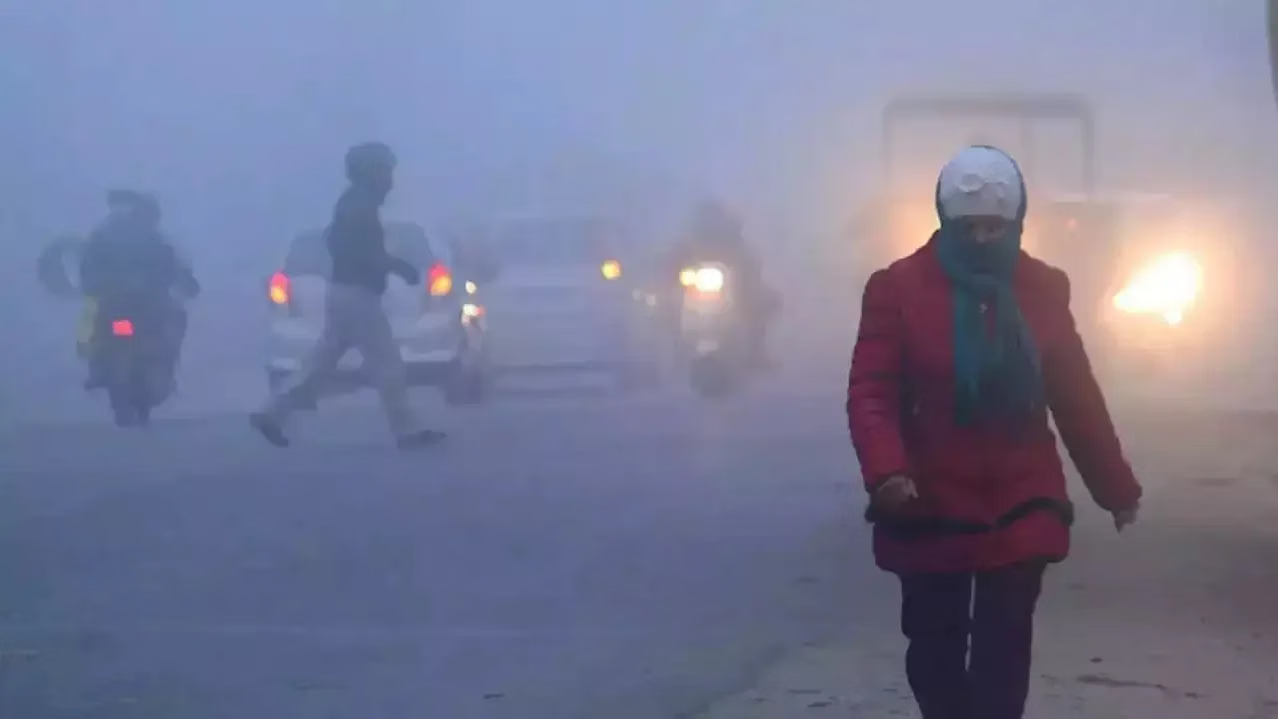
Delhi shivers with cold wave conditions as the India Meteorological Department issues weather alerts warning of persistent low temperatures, dense fog, and chilly winds across the national capital. The cold wave has disrupted daily routines, transport schedules, and health conditions, especially for vulnerable populations.
Delhi is experiencing one of its coldest January phases in recent years, with minimum temperatures dipping well below seasonal averages. The India Meteorological Department has classified the situation as a cold wave, cautioning residents to prepare for continued harsh conditions over the coming days.
IMD Cold Wave Alert Explained for Delhi Residents
According to IMD definitions, a cold wave is declared when minimum temperatures fall significantly below normal levels for the region. For Delhi, this threshold is typically when night temperatures drop close to or below 4 degrees Celsius. Over the past few days, multiple weather stations across the city have recorded temperatures near this mark, with some suburban pockets reporting even lower readings.
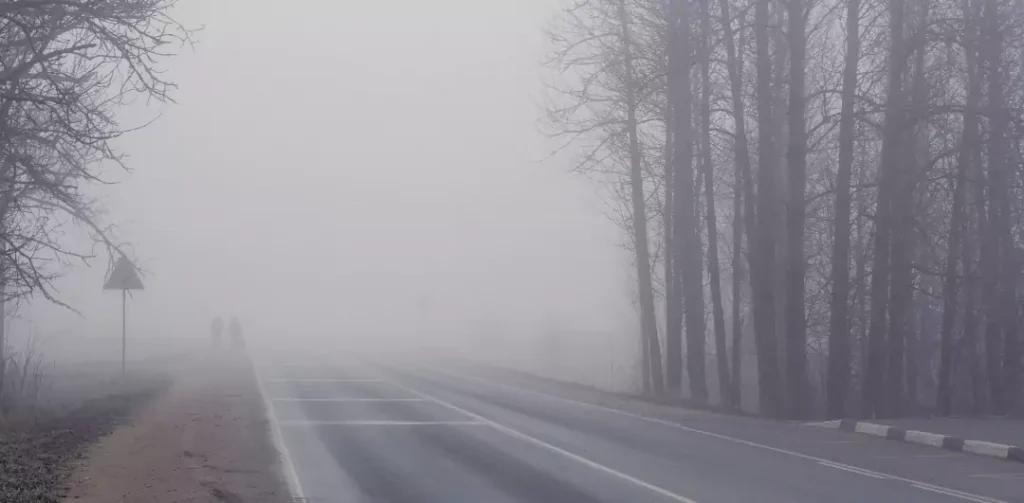
The cold wave alert for Delhi also includes warnings about dense to very dense fog during early morning and late-night hours. Visibility levels have frequently fallen below 50 meters in parts of the city, impacting road safety and increasing the risk of accidents. IMD has advised commuters to exercise caution, particularly on highways and near open areas.
Weather Patterns Driving the Severe Chill in North India
The current cold wave in Delhi is being driven by strong northwesterly winds originating from snow-covered regions of the western Himalayas. These winds funnel icy air into the Indo-Gangetic plains, causing a sharp drop in temperatures across north India.
In addition, the absence of cloud cover during nighttime has allowed rapid heat loss from the surface, intensifying the cold conditions. Meteorologists note that weak western disturbances passing north of the region have also contributed to fluctuating temperatures without providing sufficient cloud insulation.
Secondary keywords like western disturbance impact and north India cold wave remain central to understanding why Delhi winters occasionally turn severe despite its urban heat profile.
Impact on Daily Life, Transport, and Public Health
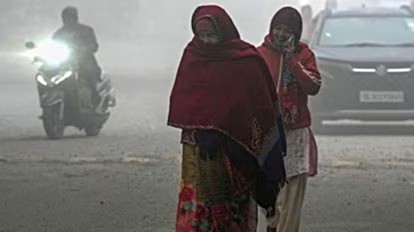
The cold wave has had a visible impact on daily life in Delhi. Schools have adjusted timings in several districts to protect children from early morning exposure. Morning walkers, street vendors, and outdoor workers are facing prolonged exposure to extreme cold, increasing the risk of hypothermia and respiratory illnesses.
Transport services have also been affected. Dense fog has caused delays in train schedules and flight operations at Indira Gandhi International Airport, particularly during early morning hours. Airlines have issued advisories urging passengers to check flight statuses before heading to the airport.
Health experts have warned that prolonged cold exposure can worsen conditions such as asthma, bronchitis, and heart-related ailments. Hospitals in Delhi have reported a seasonal rise in patients suffering from cold-related complications, especially among the elderly and homeless populations.
How Long Will the Cold Wave Last in Delhi
IMD forecasts suggest that cold wave conditions are likely to persist for several more days, with gradual improvement expected only after a shift in wind patterns. Daytime temperatures may see slight recovery, but nights are expected to remain cold until cloud cover increases or a stronger western disturbance affects the region.
Weather officials have also indicated that cold day conditions may be declared if maximum temperatures remain significantly below normal. Residents are advised to follow IMD bulletins closely, as sudden changes in fog density or wind speed can alter conditions rapidly.
Secondary keywords such as Delhi weather forecast and cold wave duration are relevant as people plan travel, work schedules, and health precautions.
Safety Advisory and Government Preparedness Measures
Authorities in Delhi have activated winter action plans to mitigate the impact of the cold wave. Night shelters have been expanded, and mobile health units are conducting outreach programs for homeless communities. The Delhi government has also instructed district administrations to ensure availability of blankets, heating arrangements, and medical assistance.
IMD continues to issue color-coded alerts to guide civic agencies and the public. Yellow alerts indicate the need for caution, while orange alerts signal more severe conditions requiring preparedness. Citizens are advised to limit outdoor exposure during peak cold hours and ensure adequate layering.
Takeaways
- Delhi is facing sustained cold wave conditions with dense fog warnings
- IMD attributes the chill to northwesterly winds and clear night skies
- Transport delays and health risks have increased due to extreme cold
- Authorities have activated winter response measures for vulnerable groups
FAQs
What qualifies as a cold wave in Delhi
A cold wave is declared when minimum temperatures fall significantly below normal levels, typically near or below 4 degrees Celsius for Delhi.
Why is fog so dense during cold wave conditions
Clear skies at night and high moisture levels cause rapid cooling, leading to condensation and dense fog formation.
How long will the current cold wave last
IMD forecasts suggest cold conditions may persist for several days, with gradual relief expected as weather patterns shift.
Who is most at risk during extreme cold in Delhi
Elderly individuals, children, homeless populations, and people with respiratory or heart conditions face higher health risks.