






Now Reading: Delhi traffic signal system overhauled ahead of winter pollution spike
-
01
Delhi traffic signal system overhauled ahead of winter pollution spike
Delhi traffic signal system overhauled ahead of winter pollution spike
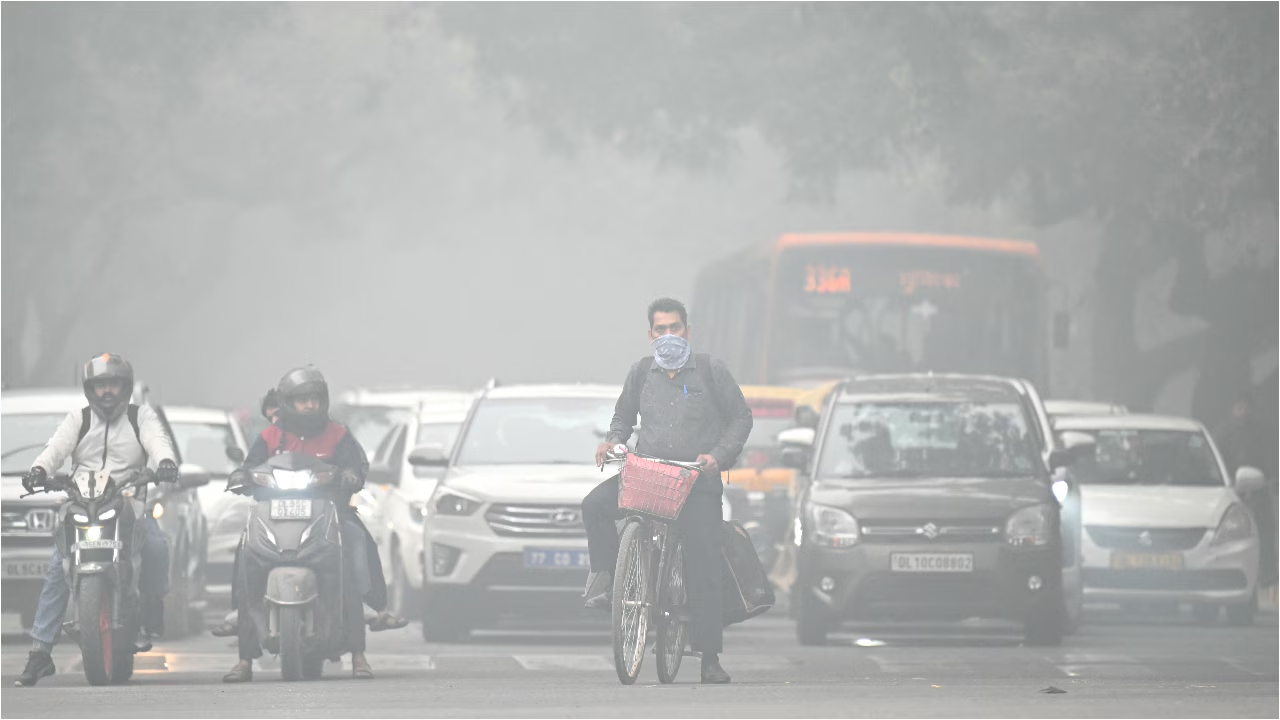
The Delhi government has kicked off a major overhaul of the traffic signal system in the city, aiming to cut vehicle emissions and ease congestion as the annual winter-pollution spike looms. The upgrade includes signal synchronisation, removal of redundant junctions and real-time monitoring of traffic flows.
Why this upgrade matters now
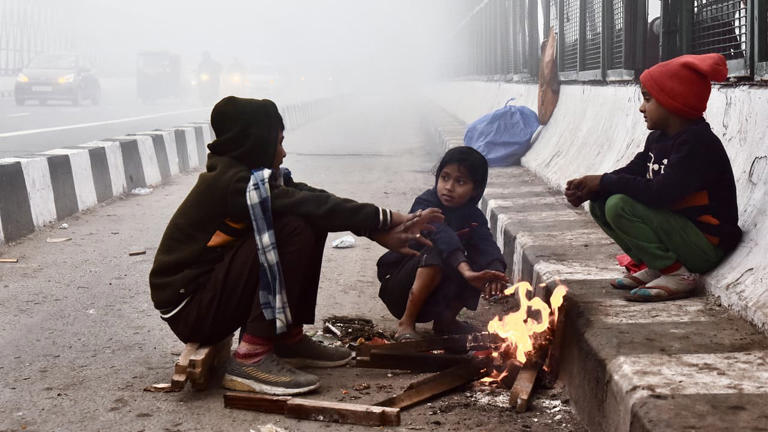
Winter in Delhi invariably brings a sharp rise in fine particulate matter (PM 2.5 and PM 10), due to factors such as vehicle emissions, road dust, industrial output and meteorological conditions that trap pollutants. The city’s emissions from transport and dust alone are estimated to contribute upward of 20-25 % of particulate load in peak months. (vehicle emissions)
What the overhaul involves
Signal synchronisation & elimination of redundant signals
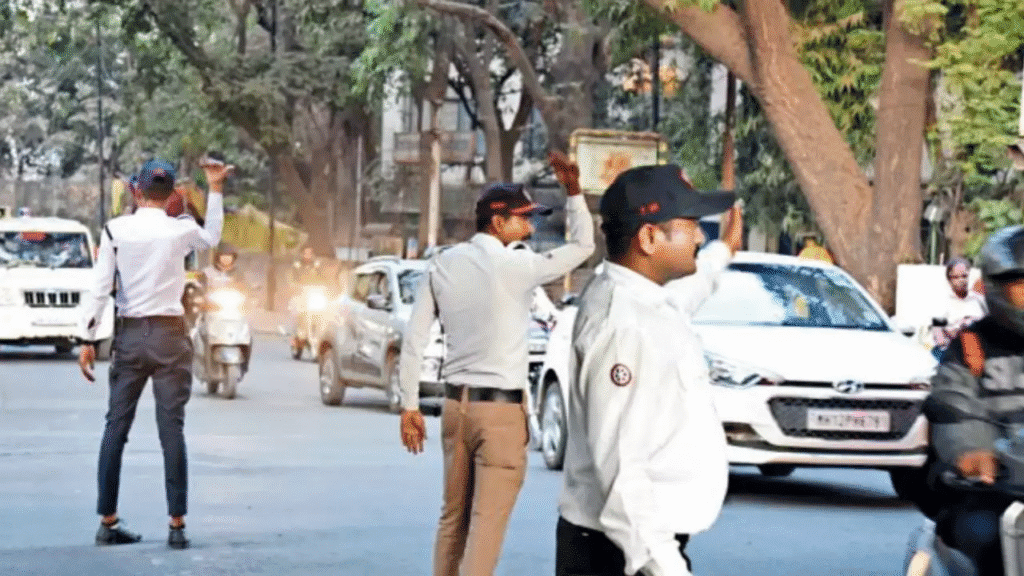
The city’s traffic police and public works department report that at key intersections the traffic signals have been re-timed and synchronised so that heavy-volume junctions get longer green phases and lighter ones shorter cycles. A pilot stretch in East Delhi cut signal wait times markedly. (traffic flow)
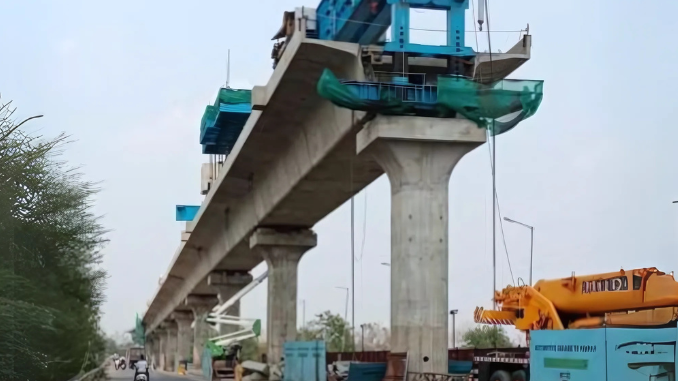
In other stretches, surveys identified signals that are redundant — too close to one another, or outdated given changed traffic patterns — and these have been removed or replaced with U-turns or merging lanes. (signal removal)
Real-time monitoring and enforcement tech upgrades
To improve responsiveness, the monitoring infrastructure is being upgraded. Traffic inspectors’ live locations will now be tracked to enable quicker response to signal faults or breakdowns. The traffic police are also planning to integrate the signal network with data analytics to adjust timings dynamically during peak hours. (real-time traffic)
Link to pollution control strategy
Importantly, this isn’t just a traffic-flow upgrade. Congested stop-start traffic emits far more particulate and NOx per kilometre than free-flowing traffic. Road-dust generated by queuing vehicles, accelerated braking and engine idling contributes to the city’s winter smog. Smoother flow plus reduced idling means fewer emissions near traffic junctions, which is a key front in the city’s winter air-quality battle under the Graded Response Action Plan (GRAP). (pollution control)
What this means for commuters and residents
For motorists and commuters, improved signal synchronisation should mean fewer stops, smoother journeys and lower vehicle emissions per trip. It also means less idle-engine time at junctions, which should slightly reduce fuel consumption and ambient emissions. For residents in high-traffic corridors, the hope is slightly improved ambient air quality during the critical months of November-February when smog episodes are frequent.
Challenges and caveats
Traffic signal optimisation is only one part of the puzzle. While smoother flow helps, winter smog in Delhi is also driven by regional stubble burning (from Punjab/Haryana), stagnant meteorology (temperature inversion) and dust from construction and roads. Without coordinated action on those fronts, signal upgrades will mitigate but not eliminate the smog risk. The effectiveness of signal changes will also depend on enforcement, maintenance of the system and how quickly residents adopt behavioural change (e.g., public transport usage).
Takeaways
- Smoother traffic flow = lower emissions: Shorter idling at signals and fewer stops reduce pollutant output from vehicles.
- Optimising junctions can support air-quality goals: Traffic infrastructure upgrades tie directly into the city’s air-pollution strategy.
- Signal overhaul alone won’t solve smog: Regional sources and weather play large roles; this is a tactical, not strategic, fix.
- Technology and enforcement matter: Data-driven signal control and live monitoring raise the odds of success, but require maintenance & compliance.
FAQs
Q: Will this upgrade immediately improve Delhi’s air quality?
A: No, improvements will be incremental. Smoother traffic helps reduce emissions locally, but full air-quality improvements depend on regional pollution sources and meteorological conditions too.
Q: How will this affect my commute?
A: If you’re driving through a corridor where signals are optimised, you may see fewer stops and shorter delays, especially in peak hours. For public-transport users, traffic flow improvements may lead to more reliable transit times.
Q: Are there any costs or disruptions during the upgrade?
A: Some junctions might be reconfigured or signals temporarily offline during implementation. Roadworks or changes in junction layout (e.g., new U-turns replacing signals) may briefly cause confusion until drivers adapt.
Q: How is this connected to winter pollution control?
A: Traffic congestion and idling vehicles contribute significantly to fine particulate emissions locally. By reducing stoppage and smoothing flows, the city aims to lower one controllable source of winter-smog generation.