







Now Reading: Dense Fog Disrupts Train and Flight Services in Northern India
-
01
Dense Fog Disrupts Train and Flight Services in Northern India
Dense Fog Disrupts Train and Flight Services in Northern India

Dense fog has disrupted train and flight services in northern India, affecting travel schedules across major cities and transport corridors. Poor visibility during early morning hours led to delays, cancellations, and safety advisories as winter weather conditions intensified across the region.
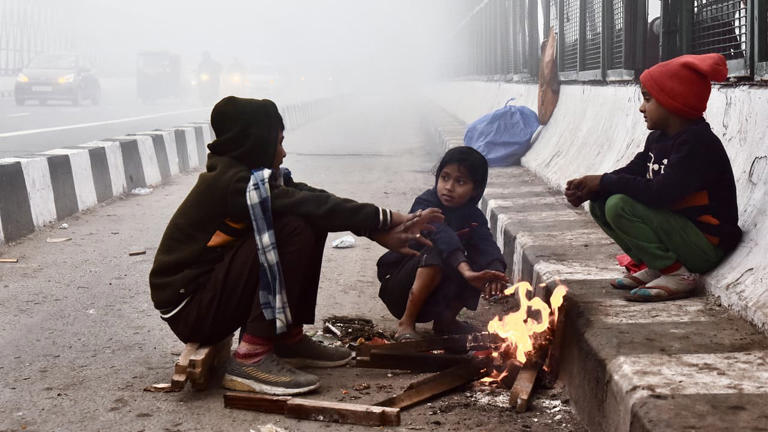
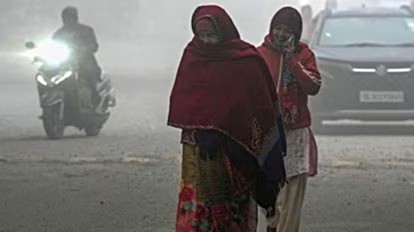
Dense fog has disrupted train and flight services in northern India as visibility dropped sharply across several states during early morning hours. The foggy conditions affected key transport hubs including Delhi, Uttar Pradesh, Punjab, Haryana, and Rajasthan, causing delays in rail movement and flight operations. Passengers faced long waiting times as authorities prioritised safety amid near zero visibility in some pockets.
Visibility Drops as Dense Fog Envelops Northern India
Dense fog conditions intensified due to a combination of low temperatures, high moisture levels, and calm wind patterns. During the night and early morning, surface cooling allowed moisture to condense near the ground, significantly reducing visibility. In several locations, visibility levels dropped below safe operating thresholds for both aviation and rail transport.
Such conditions are common during peak winter weeks in northern India, especially across the Indo Gangetic plains. However, the current spell has been more persistent, extending fog cover into late morning hours and delaying recovery of normal operations.
Train Services Affected by Foggy Conditions
Train services across northern India were heavily impacted as dense fog reduced track visibility and required speed restrictions. Long distance trains passing through Delhi, Uttar Pradesh, Punjab, and Haryana reported delays ranging from one to several hours. In some cases, trains were rescheduled or short terminated to manage congestion and ensure safety.
Railway authorities implemented fog protocols, including reduced speeds and enhanced monitoring. While these measures help prevent accidents, they also slow overall network movement. Passengers travelling overnight or early morning experienced the most disruption, particularly on routes connecting northern states with eastern and central India.
Flight Delays and Cancellations at Major Airports
Dense fog also disrupted flight services at major northern airports, with Delhi airport witnessing the highest impact. Low visibility conditions affected take offs and landings, leading to delayed departures and arrivals. Some flights were diverted or cancelled when visibility fell below minimum operational requirements.
Airlines issued advisories urging passengers to check flight status before leaving for airports. Despite advanced landing systems at major airports, fog intensity and duration continued to affect schedules, especially during peak early morning hours when air traffic is highest.
Passenger Inconvenience and Crowd Management Issues
The fog related disruptions led to significant inconvenience for passengers. Railway stations and airport terminals saw crowding as delayed services caused schedule overlaps. Many travellers missed onward connections, resulting in further congestion.
Transport authorities and airport operators activated crowd management measures, including announcements, help desks, and deployment of additional staff. While efforts were made to manage passenger flow, the scale of disruption highlighted the challenges of winter travel in fog prone regions.
Safety Measures and Advisory Issued
Authorities emphasised that safety remained the top priority during dense fog conditions. Railways enforced strict visibility based speed limits, while aviation authorities followed standard operating procedures to minimise risk.
Public advisories were issued urging commuters to plan travel carefully, allow extra time, and avoid unnecessary early morning journeys when fog is densest. Road users were also advised to drive cautiously, use fog lights, and maintain safe distances, as highways across northern India experienced reduced visibility as well.
Weather Conditions Behind the Fog Spell
Meteorologists attribute the dense fog to stable atmospheric conditions, low wind speeds, and high moisture content following recent weather changes. Clear nights allow rapid cooling, which traps moisture near the surface, forming thick fog layers.
These conditions are expected to persist intermittently during winter, especially when there is no strong weather system to disperse moisture. Fog intensity may fluctuate daily, but early morning hours remain most vulnerable to visibility reduction.
Outlook for Transport Services in Coming Days
Weather forecasts indicate that dense fog may continue to affect northern India over the next few days, particularly during night and early morning periods. Gradual improvement is expected as daytime temperatures rise, but full clearance may be delayed on days with weak sunlight.
Transport operators are expected to continue precautionary measures until visibility improves consistently. Passengers are advised to stay informed through official alerts and plan flexible travel schedules during this period.
Economic and Logistical Impact
Beyond passenger inconvenience, fog related disruptions also affect freight movement and logistics. Delayed trains can impact supply chains, particularly for time sensitive goods. Airlines also face operational challenges due to extended ground time and crew scheduling issues.
Repeated disruptions during winter highlight the need for improved forecasting, communication, and contingency planning to minimise economic and logistical losses while maintaining safety.
Takeaways
Dense fog has severely reduced visibility across northern India
Train and flight services are facing delays, rescheduling, and cancellations
Early morning travel remains the most affected due to low visibility
Authorities have issued advisories prioritising passenger safety
FAQs
Why does dense fog affect transport services so much in northern India?
Low visibility during foggy conditions makes safe operation of trains and aircraft difficult, requiring speed restrictions and delays.
Which transport services are most impacted by fog?
Early morning trains and flights are most affected, especially in and around major northern cities.
How long will fog disruptions continue?
Fog may persist intermittently for several days during winter, depending on weather conditions.
What should passengers do to avoid inconvenience?
Travellers should check schedules in advance, allow extra travel time, and follow official advisori