









Now Reading: Electric Vehicle Sales Rise as Year End Discounts Attract Buyers
-
01
Electric Vehicle Sales Rise as Year End Discounts Attract Buyers
Electric Vehicle Sales Rise as Year End Discounts Attract Buyers
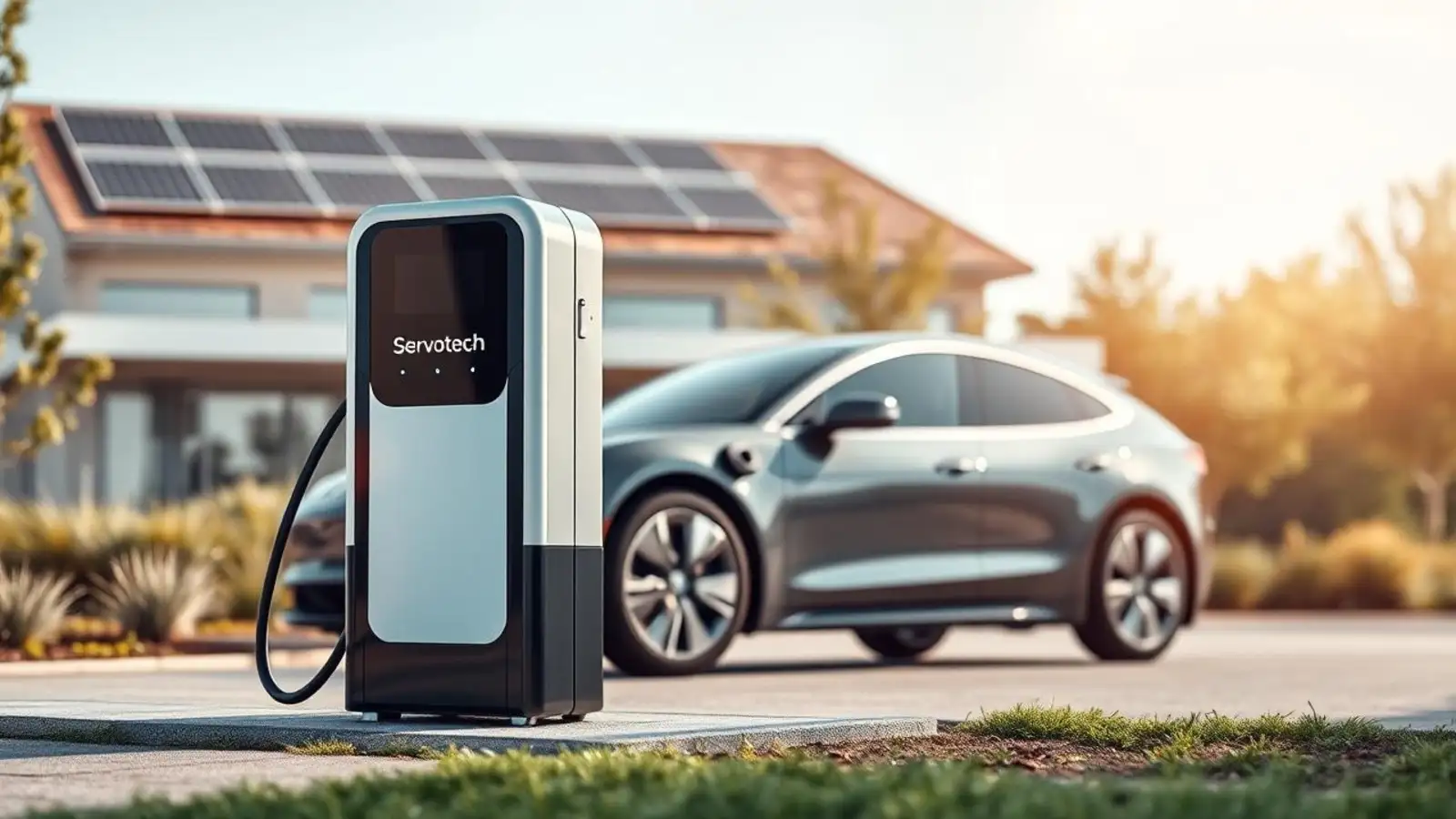
Electric vehicle sales have risen sharply as year end discounts attract buyers across major Indian cities. Aggressive pricing, dealer level offers, and improved charging confidence have pushed hesitant consumers to make purchase decisions before the calendar year closes.
Electric vehicle sales rise every December, but this year the uptick is more pronounced due to a combination of inventory clearance strategies and growing consumer awareness. Automakers and dealers are offering cash discounts, exchange bonuses, extended warranties, and free charging benefits to close the year on a strong note. Buyers who were previously waiting on price corrections or newer models are taking advantage of these limited period incentives.
Year End Discounts Drive Purchase Decisions
The biggest trigger behind the current surge is aggressive year end discounting. Dealers are under pressure to reduce unsold inventory before the new year, especially for models registered earlier in the year. This has resulted in price benefits that are not typically available during regular months.
In several cities, buyers are seeing combined benefits from manufacturer schemes and dealer level offers. These include upfront cash discounts, loyalty bonuses for existing customers, and additional benefits on vehicle exchange. For fleet operators and bulk buyers, negotiated pricing has further improved affordability. The cost gap between electric and petrol vehicles has narrowed significantly for select models, making electric options more attractive.
Strong Demand Across Two Wheelers and Cars
Electric two wheelers continue to dominate overall sales volumes due to lower entry prices and daily commuting use cases. Scooters and motorcycles are seeing high traction among urban users, delivery partners, and first time EV buyers. Reduced running costs and ease of charging at home remain key decision factors.
Electric car sales are also seeing momentum, particularly in the compact and mid size segments. Improved range figures, better charging support, and discounts on outgoing variants have boosted confidence. Buyers who were previously concerned about resale value or long term reliability are now reassured by longer warranties and service packages offered during year end campaigns.
Charging Infrastructure Confidence Improves
One of the notable changes supporting higher electric vehicle sales is improved confidence in charging infrastructure. Public charging networks have expanded steadily in metro cities and along highways. Many residential societies and workplaces have also installed private charging points over the past year.
Automakers are bundling home charger installation and offering complimentary charging credits on public networks. These steps reduce anxiety for new buyers and address one of the most common barriers to EV adoption. While charging coverage is still uneven across regions, the perception of accessibility has improved enough to influence buying decisions.
Financing and Ownership Costs Play a Role
Financing options have become more EV friendly, further supporting sales growth. Banks and non banking lenders are offering competitive interest rates and longer tenures for electric vehicles. Some lenders are also factoring in lower running and maintenance costs while assessing affordability.
Total cost of ownership remains a strong selling point. With fuel prices remaining volatile, many buyers are calculating long term savings on running costs. Electric vehicles offer lower per kilometre expenses and fewer mechanical components, reducing service costs. Year end discounts amplify these savings, making the financial case stronger for buyers planning long term ownership.
Automaker Strategy and Market Positioning
For manufacturers, year end sales performance is critical for market positioning and investor sentiment. Automakers are using discounts strategically to clear older stock while preparing for updated variants and new launches in the coming year. This approach helps manage inventory without disrupting pricing of upcoming models.
Several companies are also focusing on expanding their customer base rather than maximising margins during this period. Building volume helps strengthen brand presence and supports long term ecosystem growth. Higher sales also contribute to better utilisation of charging partnerships and service networks.
Regional Trends and Buyer Behaviour
Urban centres continue to lead electric vehicle adoption, but tier two cities are showing noticeable growth this season. Improved dealer presence and local awareness campaigns have played a role. Buyers in these markets are more price sensitive, making year end discounts especially effective.
Fleet operators and corporate buyers are also contributing to higher volumes. Companies looking to meet sustainability targets are advancing purchase timelines to benefit from discounts. This trend is particularly visible in last mile delivery and employee transport segments.
Outlook for the Coming Months
Industry observers expect sales momentum to remain strong through the end of the year, followed by a brief slowdown in January. New model launches and revised pricing strategies are likely to shape demand in the first quarter. Buyers who miss year end offers may face higher prices or fewer benefits in the new year.
However, the broader trend points toward steady growth rather than a short term spike. Improved product quality, expanding infrastructure, and supportive financing are creating a more stable EV market. The year end surge reflects both tactical discounting and deeper structural shifts in buyer behaviour.
Takeaways
- Electric vehicle sales have surged due to aggressive year end discounts
- Two wheelers lead volumes while electric cars gain steady traction
- Improved charging confidence and financing options support demand
- Urban and tier two cities are both contributing to sales growth
FAQs
Why are electric vehicle sales rising at year end?
Dealers and manufacturers offer significant discounts to clear inventory and close annual sales targets, making EVs more affordable.
Which electric vehicles are seeing the highest demand?
Electric two wheelers dominate volumes, while compact and mid size electric cars are gaining popularity.
Are year end discounts available across all regions?
Discounts are more common in urban markets but are increasingly visible in tier two cities as well.
Will prices increase after the new year?
In many cases, year end offers expire in January, and prices or benefits may be revised upward.