






Now Reading: Elon Musk Rebukes US Senator Over $1 Trillion Package Debate: “I Have Been Given Nothing”
-
01
Elon Musk Rebukes US Senator Over $1 Trillion Package Debate: “I Have Been Given Nothing”
Elon Musk Rebukes US Senator Over $1 Trillion Package Debate: “I Have Been Given Nothing”
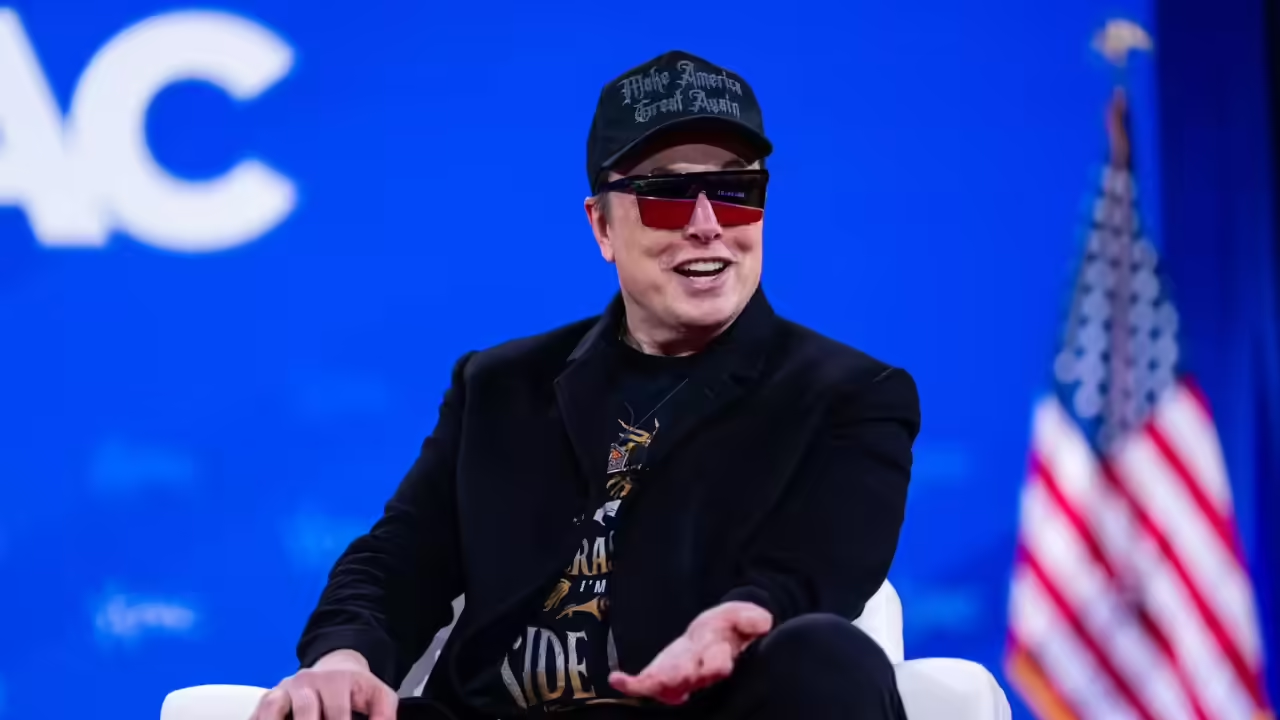
Tesla and SpaceX CEO Elon Musk has once again found himself at the center of a political storm in the United States, following a sharp exchange with a Democratic senator over a proposed $1 trillion government package. The billionaire entrepreneur strongly dismissed allegations that his companies benefited from taxpayer-funded programs, stating that he has “been given nothing” and that his success comes from innovation, not political favors.
The controversy began when a Democratic senator questioned the level of government support provided to large corporations and billionaires in the tech and energy sectors. Musk quickly responded, using social media to push back against what he described as misleading claims about public funding. He clarified that Tesla and SpaceX operate on the foundation of earned contracts and consumer demand, not subsidies or government bailouts.
This latest exchange underscores the growing tension between policymakers and influential tech figures as debates intensify over public spending, taxation, and corporate accountability. For years, Musk has been both praised and criticized for his ambitious ventures, which range from electric vehicles to space exploration. His critics argue that government incentives, particularly for electric vehicles, have contributed to Tesla’s rise. Supporters, however, view Musk’s success as a testament to private-sector innovation and bold risk-taking.
Analysts say Musk’s sharp response reflects his broader frustration with narratives that downplay his companies’ achievements. Tesla, now one of the world’s most valuable automakers, transformed the electric vehicle market through technological advancements and consumer trust rather than direct government handouts. Similarly, SpaceX’s contracts with NASA and the US Department of Defense are competitive bids, often saving taxpayers billions compared to traditional aerospace firms.
The senator’s remarks came amid renewed debate over how the US government should allocate funding under its $1 trillion infrastructure and green energy initiative. The plan aims to accelerate clean technology, renewable energy, and transportation projects, sectors where Musk’s companies play a significant role. While some lawmakers argue that billionaires like Musk should pay more taxes to support such programs, others contend that entrepreneurs like him drive economic growth and technological progress.
Musk’s comments have once again sparked polarized reactions online. Supporters echoed his stance, emphasizing his contributions to sustainable energy and space innovation. Critics, however, argue that even indirect benefits — such as consumer tax credits for electric vehicles — play a role in strengthening Tesla’s market position.
For Indian readers following global business developments, Musk’s remarks highlight a recurring theme relevant to India’s own startup and industrial landscape: the balance between private enterprise and public policy. As India expands its focus on electric mobility and renewable energy, similar debates arise over the role of subsidies, private innovation, and government partnership.
Elon Musk’s direct and unapologetic communication style continues to keep him in the global spotlight. Whether this latest confrontation with US lawmakers will influence policy decisions remains to be seen. But one thing is clear — Musk remains determined to defend his companies’ independence and redefine how success in modern industries is perceived.