






Now Reading: Five Indian Workers Kidnapped in Mali Amid Rising Militancy Linked to Al-Qaeda and ISIS
-
01
Five Indian Workers Kidnapped in Mali Amid Rising Militancy Linked to Al-Qaeda and ISIS
Five Indian Workers Kidnapped in Mali Amid Rising Militancy Linked to Al-Qaeda and ISIS
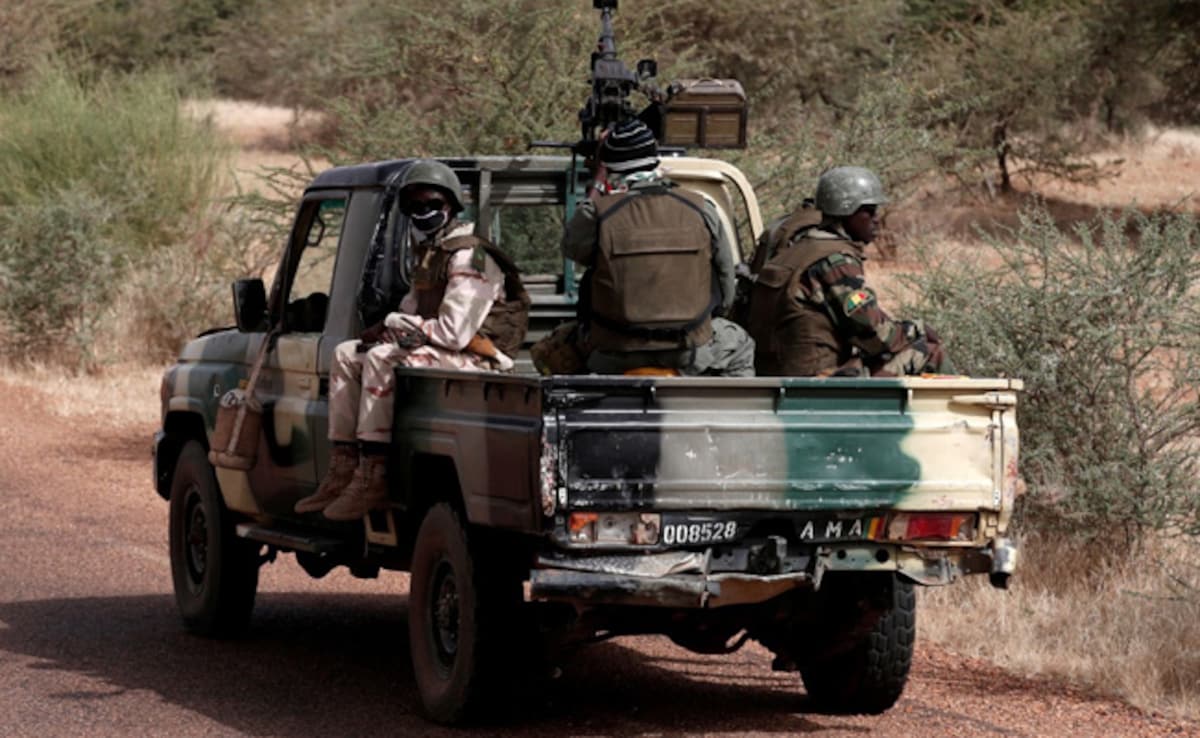
Five Indian nationals have been kidnapped in Mali, a West African nation grappling with growing extremist violence connected to Al-Qaeda and ISIS-linked groups. The abduction reportedly took place near the town of Kobri in the country’s southern region. While no militant organisation has claimed responsibility so far, the incident underscores the worsening security situation in Mali and the growing risks faced by foreign workers in the region.
The Indian government has expressed serious concern and is working with local authorities to secure the safe release of the abducted citizens. Officials from the Indian embassy in Bamako are in close contact with Malian authorities to gather more details about the victims’ whereabouts and condition.
Rising Militancy in Mali
Mali has been struggling with Islamist insurgency since 2012, when rebel groups linked to Al-Qaeda began expanding their influence across northern and central regions. In recent years, the situation has worsened with the presence of ISIS-affiliated factions, creating an environment of overlapping violence and instability.
Despite multiple international peacekeeping efforts, including support from the United Nations and regional African forces, attacks and kidnappings have continued to rise. The latest abduction of Indian workers adds to a series of incidents targeting foreign nationals and local civilians working on infrastructure and development projects.
Who Are the Victims?
According to initial reports, the kidnapped Indians were employed by a private company engaged in road construction work. They were travelling through the Kobri area when their convoy was intercepted by unidentified armed men. While local security forces launched a search operation immediately after the incident, details about the abductors remain unclear.
Families of the victims in India have urged the government to intervene quickly. The Ministry of External Affairs has assured that all possible diplomatic and security channels are being used to ensure their safe return.
India’s Concern Over Security in Africa
India has been steadily increasing its engagement in Africa through trade, infrastructure, and development projects. Thousands of Indian professionals, engineers, and workers are currently stationed across the continent, including in regions affected by conflict.
The kidnapping in Mali raises serious questions about the safety of Indian nationals working in high-risk areas. Indian authorities have repeatedly advised citizens and companies to remain cautious while operating in conflict-prone countries such as Mali, Niger, and Burkina Faso.
No Claim of Responsibility Yet
So far, no extremist group has taken responsibility for the abduction. Analysts suggest that local militants often kidnap foreign nationals to demand ransom or use them as leverage against government forces. Groups like Jama’at Nusrat al-Islam wal-Muslimin (JNIM), affiliated with Al-Qaeda, and ISIS in the Greater Sahara (ISGS) are active in the region and have been involved in similar incidents in the past.
Malian security forces, already stretched thin by years of insurgency, face challenges in securing remote rural areas. The government, currently under military leadership following a coup in 2021, has struggled to maintain stability and restore public confidence.
Global and Indian Reactions
The incident has drawn international attention, with several countries expressing solidarity with India and calling for stronger protection for foreign workers in Mali. The United Nations mission in the country, MINUSMA, has also been briefed on the situation and may assist in coordinating rescue operations if necessary.
In India, the kidnapping has reignited debate over worker safety abroad. Experts say that as India continues to expand its global economic footprint, it must also strengthen mechanisms for protecting its citizens in volatile regions.
The Road Ahead
For now, the fate of the five Indian workers remains uncertain. Both Indian and Malian authorities continue to monitor the situation closely, though limited communication and difficult terrain have slowed progress.
The incident once again highlights how extremist violence in parts of Africa is spilling over into civilian and international domains, affecting nations like India that are contributing to development in the region. As security risks grow, ensuring the safety of overseas workers has become an urgent diplomatic and humanitarian priority.