








Now Reading: Freed Israeli Hostage Shares Chilling Account of Captivity in Gaza Amid Allegations of Abuse
-
01
Freed Israeli Hostage Shares Chilling Account of Captivity in Gaza Amid Allegations of Abuse
Freed Israeli Hostage Shares Chilling Account of Captivity in Gaza Amid Allegations of Abuse
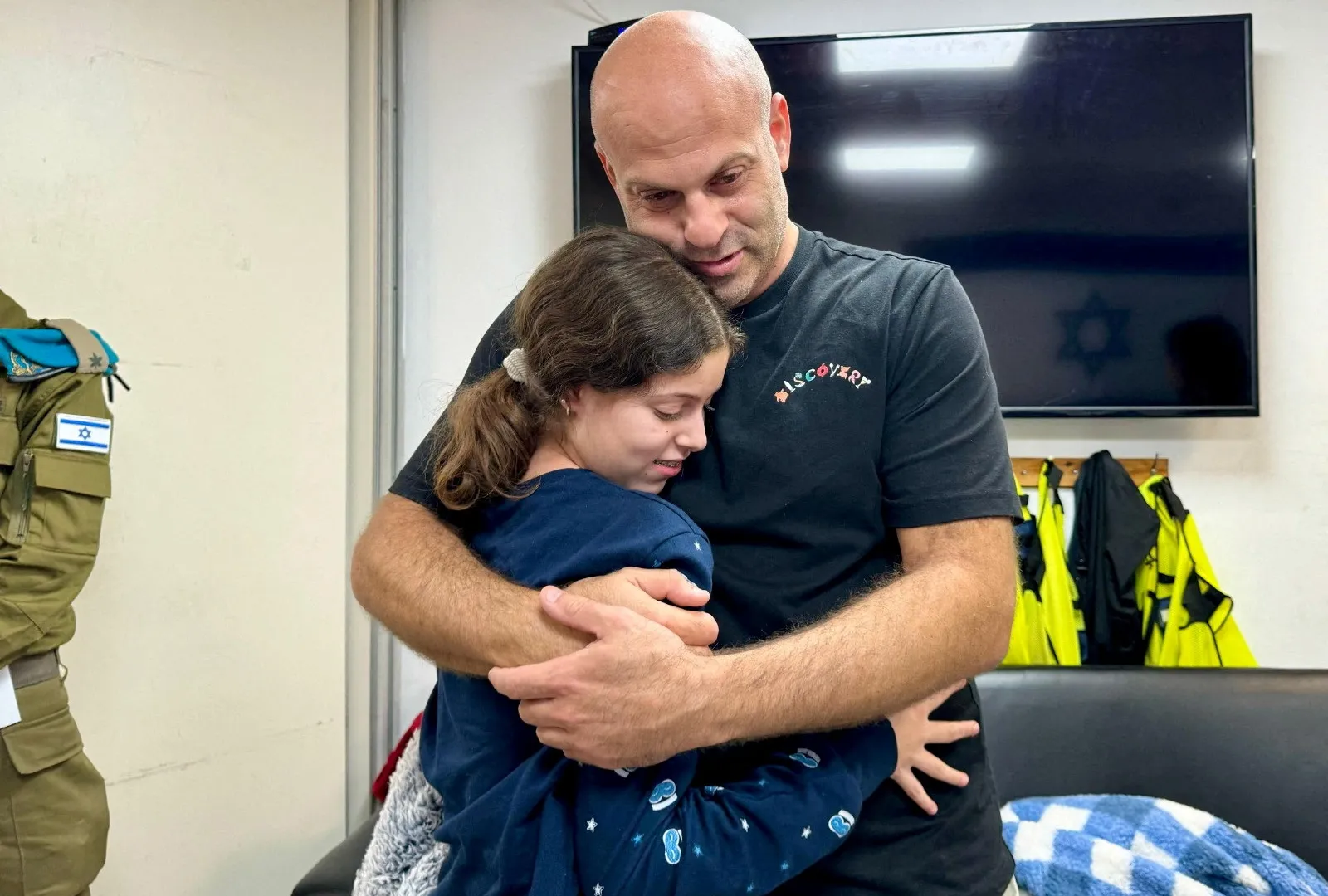
A recently freed Israeli hostage has recounted the harrowing conditions of her captivity in Gaza, shedding light on the emotional and physical trauma endured by those held since the October 7 conflict began. Her account, combined with new allegations of sexual violence from another victim, has reignited outrage across Israel and intensified global scrutiny over the treatment of hostages during the prolonged Israel-Hamas war.
A story of fear and survival
The survivor described the months of confinement as a nightmare filled with fear, isolation, and uncertainty. Speaking to local media, she revealed that she prayed daily for the ordeal to end and that the constant threat of violence left lasting emotional scars. Her release, which came as part of a negotiated exchange, offered a rare glimpse into the living conditions of the remaining captives still held in Gaza.
She recalled being kept in cramped quarters with little access to food, medical aid, or sunlight. Basic necessities were rationed, and communication with the outside world was completely cut off. The woman said that the psychological impact of not knowing if she would survive was worse than the physical hardship.
Allegations of sexual assault surface
In a separate revelation, a security guard who had also been abducted alleged that she was subjected to sexual assault during her captivity. Her testimony, which emerged after her medical evaluation, has triggered widespread outrage in Israel and renewed calls for stronger international intervention. Officials and human rights groups have demanded a thorough investigation into the allegations, emphasizing that such acts would constitute grave violations of international humanitarian law.
Israeli authorities have stated that evidence of abuse against hostages continues to mount, citing forensic reports and testimonies from freed captives. However, Hamas has denied accusations of mistreatment, calling them politically motivated.
Growing domestic and international reactions
The emotional testimonies have reignited debates within Israel about the government’s handling of hostage negotiations and the continuation of military operations in Gaza. Families of those still held captive have staged protests demanding faster rescue efforts, while opposition leaders have criticized the administration for failing to prioritize civilian safety.
Internationally, human rights organizations have called for independent verification of the allegations, urging both sides to adhere to global conventions that protect civilians during conflict. Several Western governments have condemned reports of abuse and demanded accountability if the claims are proven true.
Impact on the ongoing conflict
These revelations come at a time when ceasefire discussions have again stalled. Analysts believe that such reports could harden Israel’s stance in negotiations, potentially prolonging the conflict. The humanitarian toll continues to rise, with thousands displaced and aid access severely restricted across Gaza.
For Israel, the accounts of freed hostages have deepened the emotional strain of the war, fueling public anger and calls for justice. For Palestinians, the renewed military offensives in response have worsened already dire conditions, leaving civilians caught in a cycle of violence and retaliation.
Indian and global relevance
India, which maintains diplomatic relations with both Israel and Palestine, has called for restraint and the protection of innocent lives on both sides. The ongoing revelations serve as a stark reminder of the human cost of prolonged conflicts — one that resonates far beyond the Middle East.
Conclusion:
The testimonies of freed Israeli hostages highlight the deep human suffering behind the political and military tensions of the Israel-Hamas conflict. As the world watches the escalating humanitarian crisis unfold, questions about accountability, justice, and peace remain more urgent than ever. The voices of those who endured captivity may now shape the moral narrative of one of the most divisive conflicts of the modern era.