









Now Reading: Fuel Prices Remain Steady as Crude Oil Shows Mixed Trends
-
01
Fuel Prices Remain Steady as Crude Oil Shows Mixed Trends
Fuel Prices Remain Steady as Crude Oil Shows Mixed Trends
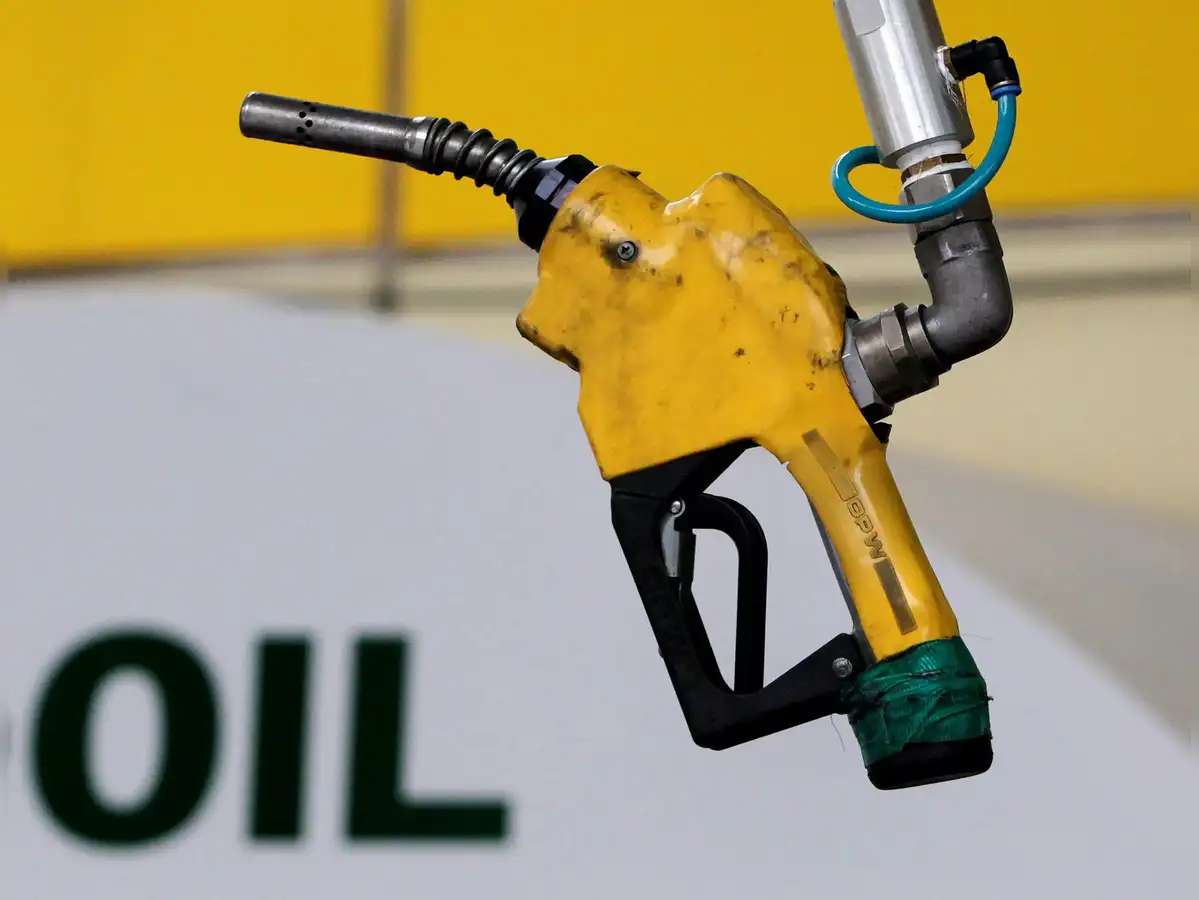
Fuel prices remain steady across India even as crude oil markets continue to show mixed trends globally, offering temporary relief to consumers. Petrol and diesel rates have largely stayed unchanged in recent weeks, despite volatility in international oil prices driven by geopolitical risks, demand uncertainty, and supply adjustments.
The stability in fuel prices comes at a time when households and businesses are closely watching energy costs, especially ahead of the new year. While global crude oil benchmarks have moved within a narrow range, domestic fuel pricing has remained insulated due to policy choices and market factors.
Global Crude Oil Prices Show Unclear Direction
Crude oil prices have been fluctuating as markets react to multiple signals at once. On one hand, concerns over global economic growth have limited sharp price increases. On the other, geopolitical tensions in key oil-producing regions and supply curbs by major exporters continue to support prices.
Demand projections remain uncertain as large economies show mixed economic data. Slower industrial activity in some regions is offset by steady consumption from emerging markets. Seasonal demand during winter has also provided some support, particularly for heating fuels.
These mixed trends have prevented crude oil from establishing a clear upward or downward trajectory, resulting in relatively stable average prices over recent weeks.
Why Fuel Prices in India Have Not Changed
Despite changes in international crude prices, fuel prices in India have remained steady. This is largely due to the pricing strategies adopted by oil marketing companies and government intervention through excise duty adjustments in the past.
Retail fuel prices depend not only on crude oil costs but also on taxes, refining margins, and currency exchange rates. Even when crude prices move, these other components can offset the impact at the pump.
In recent months, oil marketing companies have chosen to absorb minor fluctuations rather than revise retail prices frequently. This approach has helped maintain price stability, especially during a period of high inflation sensitivity.
Impact of Stable Fuel Prices on Inflation
Stable fuel prices play a critical role in controlling overall inflation. Fuel costs influence transportation, logistics, and the prices of essential goods. Any sharp increase in petrol or diesel rates typically has a cascading effect across the economy.
With fuel prices holding steady, pressure on food and commodity prices has been relatively contained. This has provided some relief to consumers already dealing with high costs of living in other areas such as housing and healthcare.
Economists note that sustained fuel price stability supports consumer sentiment and helps businesses plan costs more effectively, especially in transport-intensive sectors.
Government’s Role in Fuel Price Management
The government continues to closely monitor fuel pricing due to its economic and political significance. Central and state taxes account for a substantial portion of the final retail price of petrol and diesel.
In the past, tax reductions have been used as a tool to cushion consumers from global oil price shocks. While no fresh tax changes have been announced recently, the existing structure has helped prevent sudden spikes at the retail level.
State governments also influence fuel prices through value-added tax rates. Differences in state-level taxes explain why fuel prices vary across cities, even when base prices remain unchanged.
What Oil Marketing Companies Are Watching
Oil marketing companies are tracking several variables that could influence future fuel prices. These include global crude oil movements, refining margins, currency fluctuations, and domestic demand patterns.
The rupee’s performance against the US dollar is particularly important, as crude oil imports are dollar-denominated. A weaker rupee can increase import costs even if global oil prices remain stable.
Refining margins have shown moderate improvement, which has helped companies manage costs without passing increases on to consumers. However, sustained pressure on margins could eventually lead to price revisions.
Outlook for Fuel Prices in the Coming Weeks
Market analysts expect fuel prices to remain stable in the near term if crude oil continues to trade within its current range. However, any major geopolitical escalation or unexpected supply disruption could alter this outlook quickly.
Domestic factors such as increased travel demand, industrial activity, and policy decisions will also play a role. With the new financial year approaching in a few months, pricing decisions may factor in broader economic considerations.
For now, consumers are likely to see continuity rather than volatility at fuel stations, barring sharp global movements.
What Consumers Should Keep in Mind
While stable fuel prices are positive, experts advise consumers to remain cautious about future changes. Global oil markets are inherently unpredictable, and price stability can shift rapidly.
Efficient fuel use, regular vehicle maintenance, and alternative transport options can help households manage fuel expenses better. Businesses, particularly logistics and transport operators, are advised to factor potential price changes into cost planning.
The current phase of stability offers breathing room but not long-term certainty.
Takeaways
- Fuel prices in India remain unchanged despite mixed global crude trends
- Stable fuel rates are helping contain inflationary pressures
- Government policies and oil company strategies are cushioning price swings
- Future prices depend on global markets, currency movement, and policy decisions
FAQs
Why are fuel prices not changing despite crude oil fluctuations?
Retail fuel prices depend on multiple factors including taxes, exchange rates, and company margins, which can offset crude oil movements.
Do stable fuel prices help control inflation?
Yes. Fuel stability reduces transportation costs and limits price increases across essential goods and services.
Can fuel prices increase suddenly in the future?
Yes. Major geopolitical events, supply disruptions, or currency depreciation can trigger price revisions.
Why do fuel prices vary between states?
State-level taxes differ, leading to variations in petrol and diesel prices across regions.