









Now Reading: Geminid Meteor Shower Peaks Tonight Over Indian Skies
-
01
Geminid Meteor Shower Peaks Tonight Over Indian Skies
Geminid Meteor Shower Peaks Tonight Over Indian Skies
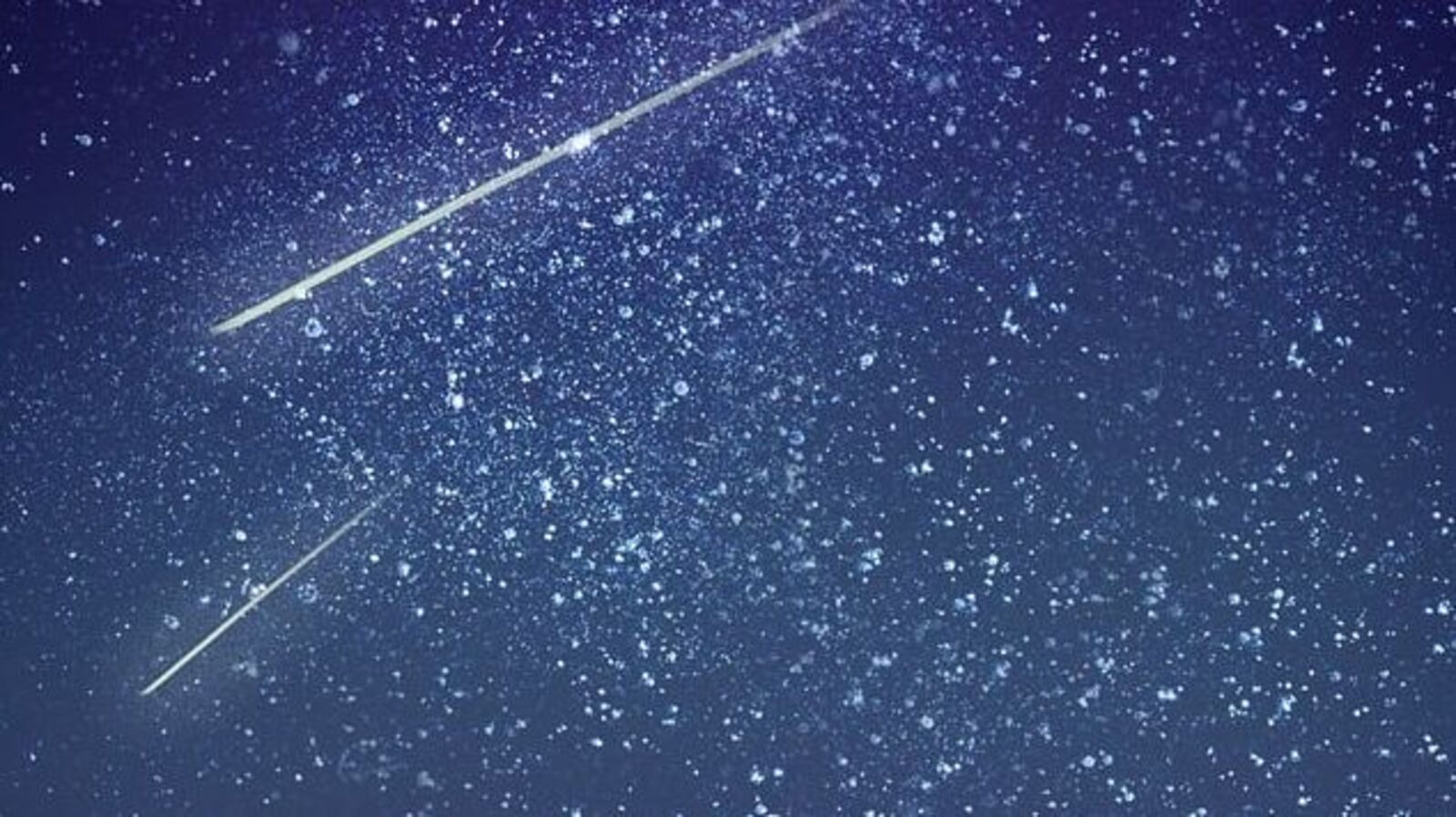
The Geminid meteor shower peaks tonight over Indian skies, offering one of the most reliable and visually rich celestial events of the year. Skywatchers across India can expect frequent meteors, provided weather conditions remain clear and light pollution is minimal.
The Geminid meteor shower is considered the strongest annual meteor display visible from India. As Earth passes through a dense stream of debris left behind by asteroid 3200 Phaethon, bright streaks of light are expected to flash across the night sky. Unlike many meteor showers linked to comets, Geminids originate from an asteroid, making their behavior more predictable and intense.
When and Where the Geminid Meteor Shower Is Visible
The Geminid meteor shower peaks during the late night and early morning hours, with the best viewing window stretching from midnight until dawn. Astronomers note that the shower appears to radiate from the constellation Gemini, which rises higher in the eastern sky as the night progresses. For observers in India, this positioning offers favorable viewing conditions during peak hours.
The shower is visible across most regions of the country, including northern, central, and southern India. Rural areas and hill stations with darker skies will provide clearer views compared to urban centres where light pollution may limit visibility. No telescope or binoculars are required, as the meteors are best observed with the naked eye across a wide field of view.
Expected Meteor Activity and Visibility Conditions
At its peak, the Geminid meteor shower can produce up to 100 meteors per hour under ideal conditions. However, actual counts depend on sky clarity, moonlight, and observer location. This year, astronomers expect moderate to strong activity, with many meteors appearing bright and slow moving, often leaving short glowing trails.
Moon phase plays a key role in visibility. With the Moon setting earlier in the night, darker skies are expected during the most active viewing window. Weather forecasts indicating clear or partly clear skies across several regions have raised optimism among astronomy enthusiasts. Cloud cover remains the primary factor that could limit viewing in certain areas.
Why the Geminid Meteor Shower Stands Out
The Geminids are known for their intensity, consistency, and colorful fireballs. Unlike many showers that peak briefly, the Geminids offer sustained activity over several hours. Their meteors often appear yellow or white and travel at relatively slower speeds, making them easier to spot and track.
Scientists attribute the shower’s strength to the dense debris trail of asteroid 3200 Phaethon. Over time, gravitational interactions have compacted the debris stream, resulting in higher meteor rates when Earth passes through it. This makes the Geminid meteor shower a highlight event even for casual observers.
How to Watch the Geminid Meteor Shower Safely
Watching the Geminid meteor shower does not require any special equipment, but preparation improves the experience. Observers are advised to find an open area away from streetlights and buildings. Allowing the eyes to adjust to darkness for at least 20 minutes increases the chance of spotting fainter meteors.
Warm clothing is recommended, especially in northern India where night temperatures drop significantly in December. Lying flat or reclining allows a broader view of the sky, reducing neck strain. Mobile screens should be avoided or dimmed, as bright light disrupts night vision.
Scientific and Educational Significance of the Event
Beyond visual appeal, the Geminid meteor shower provides valuable data for scientists studying near Earth objects. Asteroid 3200 Phaethon is of particular interest due to its unusual behavior and orbit. Observations during peak activity help refine models of debris distribution and atmospheric entry behavior.
Educational institutions and astronomy clubs often organize public viewing sessions and livestreams to promote scientific awareness. For students and amateur astronomers, the event serves as a practical introduction to planetary science and observational astronomy.
What Happens After the Peak Night
While tonight marks the peak, the Geminid meteor shower does not end abruptly. Reduced activity is expected over the following nights, allowing late viewers another chance to observe occasional meteors. However, rates will gradually decline as Earth moves out of the densest part of the debris stream.
Astronomers recommend taking advantage of the peak night, as it offers the highest probability of frequent and bright sightings. Clear skies and patience remain the key ingredients for a memorable viewing experience.
Takeaways
- The Geminid meteor shower peaks tonight with high visibility across India
- Best viewing time is after midnight until early morning
- Dark skies and minimal moonlight improve meteor counts
- No special equipment is required to enjoy the event
FAQs
What time is best to watch the Geminid meteor shower in India?
The best time is between midnight and dawn when the constellation Gemini is high in the sky.
Do I need a telescope to see the meteors?
No, the meteors are best seen with the naked eye across an open sky.
Can the meteor shower be seen from cities?
Yes, but light pollution may reduce visibility. Fewer meteors will be visible compared to dark rural locations.
Is the Geminid meteor shower safe to watch?
Yes, it is completely safe and poses no risk to observers on the ground.