







Now Reading: Global climate summit warns melting Antarctic glacier may vanish within two years
-
01
Global climate summit warns melting Antarctic glacier may vanish within two years
Global climate summit warns melting Antarctic glacier may vanish within two years
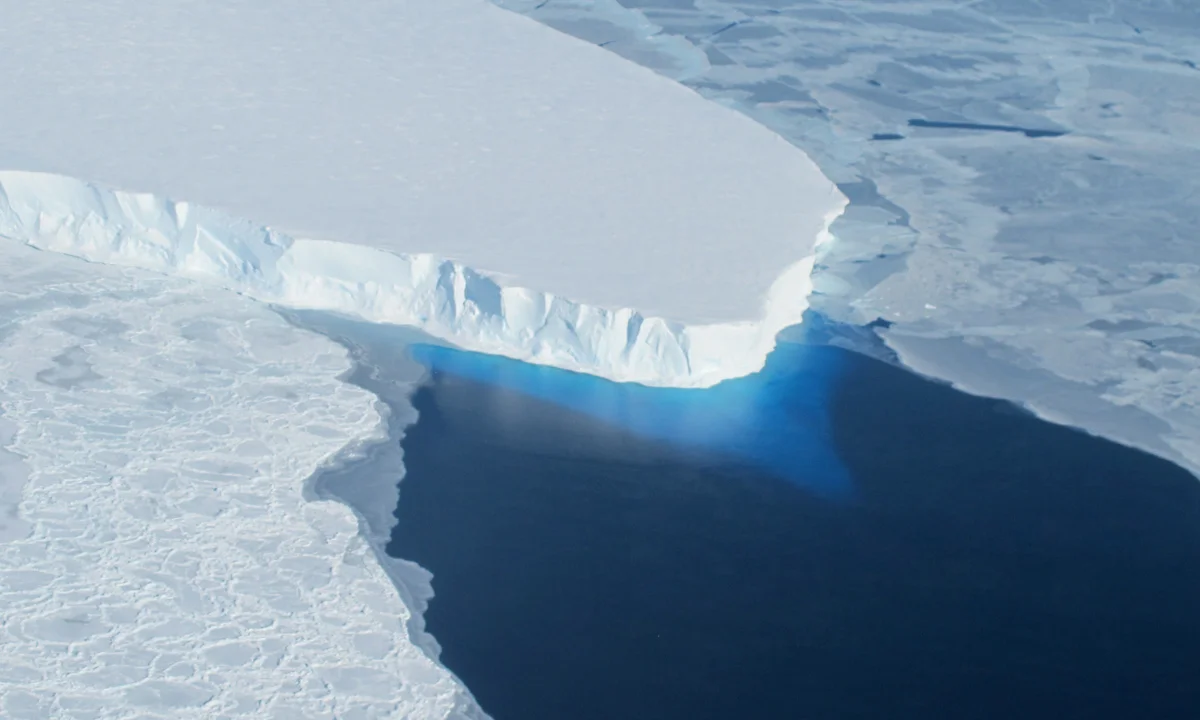
Scientists at the latest global climate summit have issued a stark warning that a critical Antarctic glacier is melting at unprecedented rates and could disappear entirely within two years, raising urgent concerns about rising sea levels and global climate security.
Rapid melting threatens global coastlines
During the summit, researchers highlighted that the Thwaites Glacier, often called the “Doomsday Glacier,” is retreating faster than previously projected. Satellite data and field measurements indicate that warm ocean currents are destabilizing the glacier’s ice shelves, accelerating ice loss into the Southern Ocean. The melting Antarctic glacier contributes significantly to global sea level rise, and its collapse could increase water levels by several feet over coming decades, threatening densely populated coastal cities worldwide. Experts warned that the loss of Thwaites could also destabilize surrounding glaciers, amplifying the impact on global ocean systems.
Causes behind the accelerated ice loss
The rapid melting is primarily driven by rising ocean temperatures and changing wind patterns, both linked to human-induced climate change. Thwaites Glacier rests on a deep bed below sea level, making it particularly vulnerable to warm water intrusion beneath its ice shelves. Additionally, greenhouse gas emissions have contributed to global warming, causing higher air and ocean temperatures that weaken ice structures. Scientists stressed that the glacier’s retreat is not an isolated event but part of a broader pattern of ice sheet loss across Antarctica, Greenland, and other polar regions, which collectively contribute to rising sea levels and extreme weather events.
Global economic and ecological implications
The potential collapse of Thwaites Glacier carries far-reaching consequences. Economically, rising seas threaten infrastructure, ports, and urban settlements in countries like India, Bangladesh, the United States, and Indonesia. Coastal agriculture and fisheries are at risk due to saltwater intrusion and habitat loss. Ecologically, the melting glacier disrupts ocean currents, which can affect weather systems globally, from increased tropical storms to altered monsoon patterns. Climate models presented at the summit indicate that if current trends continue, millions could face displacement, economic losses, and heightened food insecurity.
International response and collaboration
Leaders at the summit emphasized the need for accelerated global cooperation to mitigate further ice loss. Countries are being urged to commit to stronger emissions reductions under the Paris Agreement, increase funding for polar research, and invest in renewable energy solutions. Collaborative projects are underway to monitor Thwaites Glacier with autonomous underwater vehicles, satellites, and on-site sensors to better predict its behavior and inform international preparedness strategies. Summit participants noted that rapid response mechanisms for at-risk coastal communities are essential to manage the social and economic consequences of glacier retreat.
Scientific uncertainties and ongoing research
While the warning underscores urgency, scientists acknowledge uncertainties in projecting the exact timeline for Thwaites Glacier’s potential collapse. Ice sheet dynamics are complex, and factors such as subglacial topography and ocean circulation can accelerate or slow melting. Ongoing research focuses on modeling these variables to refine predictions and improve mitigation planning. Early warning systems for sea level rise, combined with adaptive infrastructure strategies, are recommended to reduce human and economic vulnerability in affected regions.
Takeaways
- Thwaites Glacier in Antarctica could collapse within two years, accelerating global sea level rise.
- Warm ocean currents and climate change are the primary drivers of rapid ice loss.
- The collapse threatens coastal cities, agriculture, ecosystems, and global weather patterns.
- International cooperation, emissions reduction, and research investment are crucial for mitigation.
FAQs
Q1: Why is Thwaites Glacier called the “Doomsday Glacier”?
It is called the Doomsday Glacier because its potential collapse could trigger catastrophic sea level rise, affecting millions of people globally.
Q2: What factors are causing the glacier to melt faster?
The glacier is melting due to warm ocean currents, rising air temperatures, and weakened ice shelves linked to human-induced climate change.
Q3: How would the collapse impact India and other countries?
Rising sea levels could threaten low-lying coastal regions, displace populations, damage infrastructure, and disrupt agriculture and fisheries.
Q4: What actions are being taken internationally?
Countries are focusing on emissions reductions, polar research, monitoring technologies, and adaptation planning for at-risk coastal communities.