







Now Reading: Health Alert: Dengue Cases Surge in Ludhiana District
-
01
Health Alert: Dengue Cases Surge in Ludhiana District
Health Alert: Dengue Cases Surge in Ludhiana District
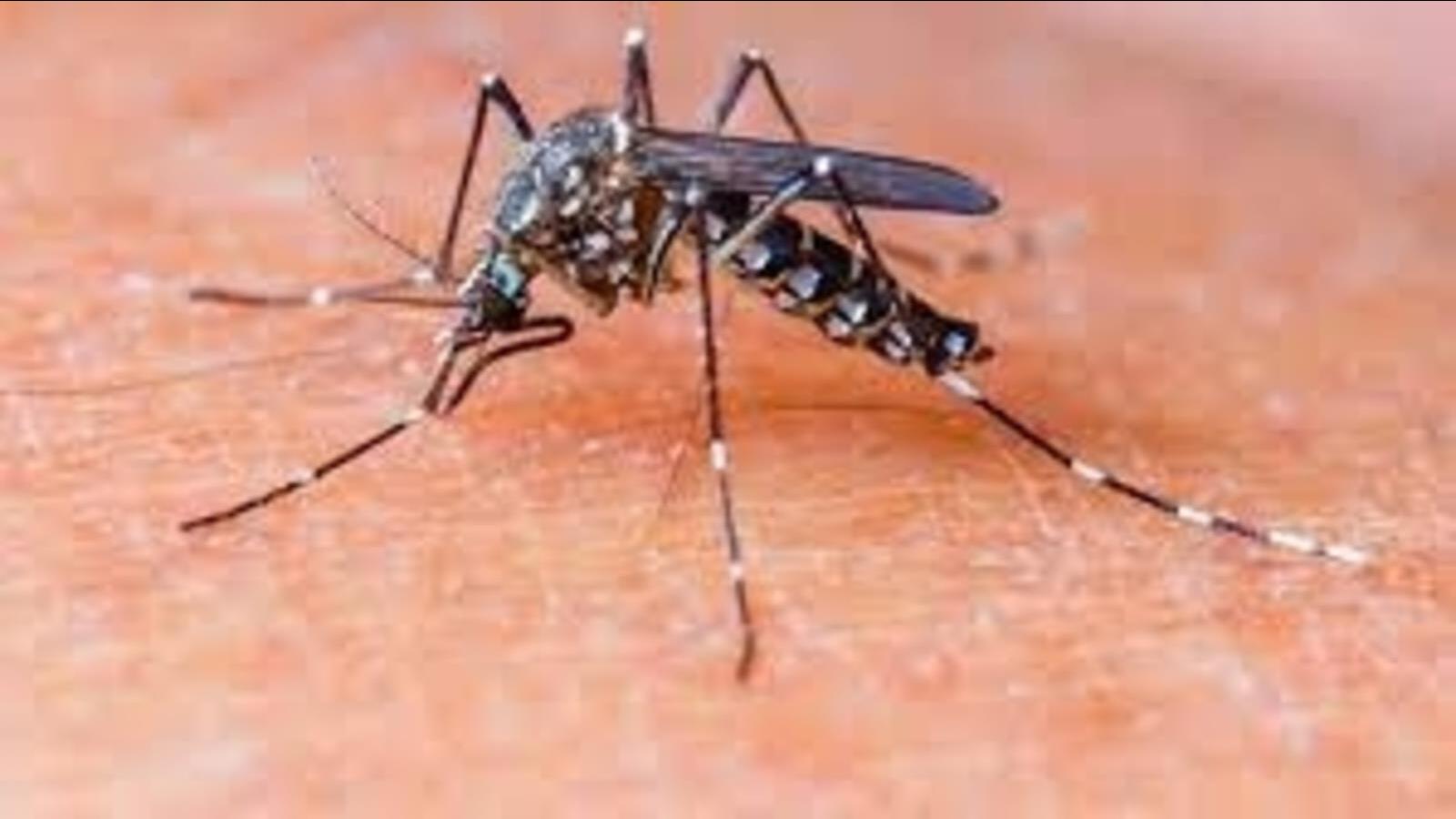
A doubling of dengue cases in the Ludhiana district has triggered a health alert, with authorities reporting the tally reaching approximately 444 confirmed infections. Health officials are now scaling up mosquito-control efforts as cooler, post-monsoon conditions favour the spread of the Aedes mosquito.
Sharp uptick in numbers and identified hotspots
The surge in dengue is unmistakable. From 252 cases around October 25, the figure climbed to 444 by early November, marking nearly a two-fold rise in under two weeks. Health authorities have flagged 29 hotspots across Ludhiana, including both urban colonies and rural blocks, meaning a wide-spread risk of transmission. The high active-case load (39 active patients) and more than 79 percent hospitalisation rate among active patients underscore the severity of the outbreak.
Breeding conditions, climatic factors and risk timing
Several interlocking factors have raised the risk of dengue transmission. Heavy rains earlier in the season created ample standing water—coolers, tyres, flower-pots, and open containers became breeding sites. Then, as the region enters the transitional period toward winter, mosquito activity remains high despite cooler nights. Historically in Ludhiana, dengue cases peak from October through December. In addition, poor air quality has been flagged by clinicians as potentially exacerbating disease outcomes.
Health system response and public-awareness efforts
The district health department has mobilised a multi-pronged response: dedicated dengue wards, availability of free testing and treatment, and intensive surveillance in hotspot areas. The “Har Shukarvaar – Dengue Te Vaar” campaign urges residents to inspect and clear water-holding containers every Friday. Meanwhile, local civic machinery acknowledges shortfalls: fogging equipment is reportedly insufficient and scheduling inconsistent.
What residents must do now
Given the current scenario, community participation is crucial. Residents should: eliminate stagnant water in/around homes, use mosquito repellents, wear full-sleeved clothing, and be alert to symptoms like high fever, body ache, rash, and low platelet counts. Early hospital attention can prevent complications. Also, indoor air-quality should be monitored since pollution may worsen outcomes for dengue patients, especially those with comorbidities.
Takeaways
- Dengue cases in Ludhiana have surged to around 444, with over 29 hotspots and high hospitalisation rates.
- The breeding-ground conditions created by rains and transitional weather have accelerated the mosquito-vector spread.
- Health authorities are on alert with treatment and testing readiness, but fogging and resource constraints remain a concern.
- Residents must act now to remove breeding sites, use personal protection and seek prompt care to reduce risk.
FAQs
Q. Why is dengue surging in Ludhiana now?
Multiple factors: standing water from earlier rains, still-active Aedes mosquitoes in heating-up conditions, and increased vector-breeding in urban and peri-urban habitats.
Q. Is this trend unusual for the season?
No. Historically in Ludhiana, dengue peaks during late monsoon and early winter months, but the current rate of increase is sharper than usual.
Q. What resources are available for treatment?
All government hospitals and health centres in the district offer free dengue testing and treatment, including platelet-monitoring and dedicated wards.
Q. How can households best protect themselves?
Weekly inspection of water-holding containers, application of mosquito repellents, full-sleeve clothing during daytime hours, and ensuring indoor air quality especially if someone is unwell.