






Now Reading: Health Experts Warn Of Rising Flu Cases In Urban India
-
01
Health Experts Warn Of Rising Flu Cases In Urban India
Health Experts Warn Of Rising Flu Cases In Urban India

Health experts warn of rising flu cases in urban India as hospitals report a steady increase in patients with fever, cough, sore throat, and fatigue. The surge is being linked to seasonal transitions, dense urban living, and increased indoor crowding across major cities.
Urban outpatient departments and clinics are seeing higher footfall from both adults and children with influenza-like illness. While most cases remain mild, doctors are advising caution due to faster transmission in cities and the risk of complications among vulnerable groups.
Why Flu Cases Are Increasing In Urban Areas
Health experts warn of rising flu cases largely due to seasonal changes that create ideal conditions for respiratory viruses. Temperature fluctuations between warm afternoons and cooler nights weaken immunity and allow viruses to spread more easily.
Urban environments amplify this risk. High population density, packed public transport, shared office spaces, and closed indoor environments increase exposure. Many people also delay seeking treatment, assuming symptoms are routine seasonal illness, which contributes to wider spread before isolation or rest begins.
Symptoms Being Reported And How They Differ
Doctors report that current flu cases present with classic symptoms such as fever, dry cough, sore throat, body aches, and nasal congestion. In some patients, fatigue and headache are more pronounced and last longer than expected.
Unlike common colds, influenza symptoms tend to appear suddenly and feel more intense. In urban India, mixed infections involving flu and other respiratory viruses are also being observed, especially among children. This makes recovery slower and increases school absenteeism.
Who Is Most At Risk Right Now
Health experts warn of rising flu cases posing higher risk to specific groups. Elderly individuals, young children, pregnant women, and people with chronic conditions such as asthma, diabetes, or heart disease are more likely to experience complications.
Urban lifestyles add to this vulnerability. Irregular sleep, poor nutrition, high stress, and air pollution weaken respiratory health. People working long hours in enclosed offices or frequently commuting during peak hours face repeated exposure, increasing infection chances.
Hospital Preparedness And Urban Healthcare Response
Urban hospitals are currently managing the rise without major strain, but doctors are advising early testing and rest to prevent escalation. Most flu cases do not require hospitalisation, but complications such as bronchitis or pneumonia can develop if ignored.
Healthcare providers are emphasising outpatient management, hydration, and symptom monitoring. Hospitals have also increased triage screening to separate flu patients from others, reducing cross-infection risks within medical facilities.
Role Of Air Pollution And Weather Patterns
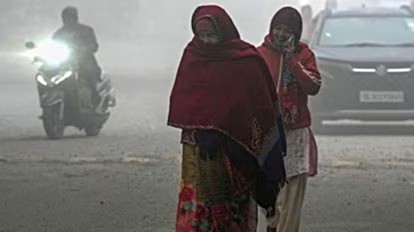
Air quality plays a significant role in worsening flu impact in cities. Pollutants irritate airways, making them more susceptible to viral infection. During winter and early seasonal shifts, pollution levels often remain high in urban India.
Health experts note that dry air and low ventilation indoors allow viruses to remain airborne longer. Combined with pollution-related respiratory stress, this creates conditions where flu spreads faster and symptoms become more severe.
Prevention Measures Recommended By Doctors
Health experts warn of rising flu cases but stress that prevention remains effective. Regular handwashing, mask use in crowded areas, and avoiding close contact with symptomatic individuals reduce risk significantly.
Doctors also advise maintaining good hydration, adequate sleep, and balanced nutrition to support immunity. People with symptoms should avoid offices, schools, and public gatherings until fever subsides to break transmission chains.
Flu Vaccination And Its Importance In Cities
Seasonal flu vaccination remains one of the most effective preventive measures, especially for high-risk groups. Urban residents with frequent public exposure benefit the most from vaccination due to repeated contact with large groups.
Doctors clarify that flu vaccines do not prevent all respiratory infections but significantly reduce severity and complications. Vaccination is particularly important for healthcare workers, elderly individuals, and those with underlying health conditions.
When To Seek Medical Attention
Most flu cases recover within a week, but medical advice should be sought if fever persists beyond three days, breathing becomes difficult, or symptoms worsen instead of improving.
Parents should be cautious with children showing lethargy, dehydration, or high fever. Early consultation helps prevent complications and reduces unnecessary antibiotic use, which is ineffective against viral infections.
Outlook For The Coming Weeks
Health experts warn of rising flu cases likely continuing for several weeks due to ongoing seasonal conditions and urban transmission patterns. The situation is expected to stabilise gradually as temperatures become consistent and preventive awareness improves.
Public health messaging is focusing on early recognition and responsible behaviour rather than alarm. With timely care and preventive steps, most urban flu cases can be managed effectively without serious outcomes.
Takeaways
- Urban India is seeing a noticeable rise in seasonal flu cases
- Crowding, pollution, and lifestyle factors are key contributors
- Most cases are mild but vulnerable groups face higher risk
- Prevention and early care remain the most effective response
FAQs
How is seasonal flu different from a common cold?
Flu symptoms are more sudden and intense, often including high fever and severe body aches.
Should people avoid offices or schools if they have flu symptoms?
Yes, staying home helps prevent transmission and speeds up recovery.
Is flu vaccination useful for healthy adults?
Yes, vaccination reduces severity and lowers the risk of spreading infection to others.
When does flu season usually peak in urban India?
Flu cases typically rise during seasonal transitions and cooler months.