






Now Reading: Health Ministry Flags Rise in Seasonal Flu Cases Nationwide
-
01
Health Ministry Flags Rise in Seasonal Flu Cases Nationwide
Health Ministry Flags Rise in Seasonal Flu Cases Nationwide
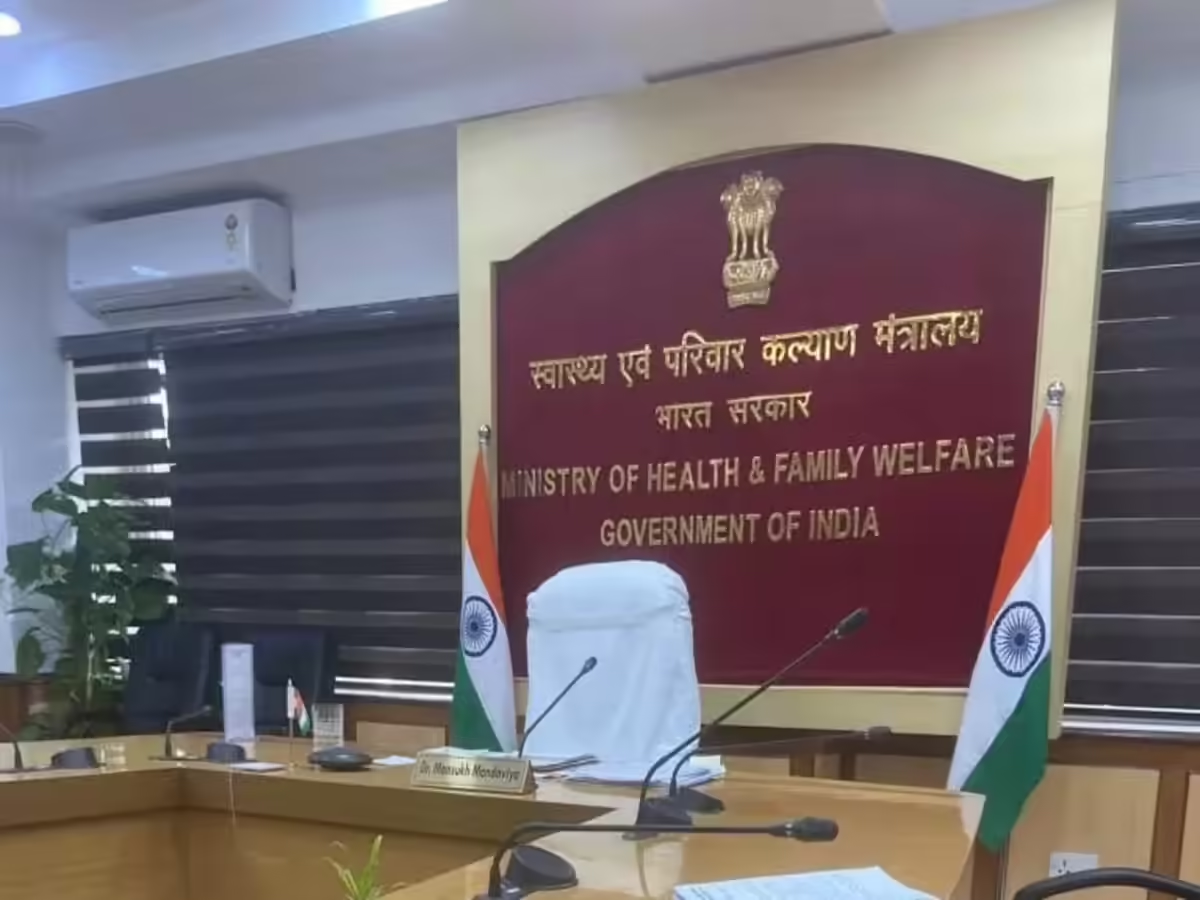
The Health Ministry has flagged a rise in seasonal flu cases nationwide, prompting advisories to states and health institutions. The increase, typical for this time of year, has raised concerns around hospital preparedness, public awareness, and early detection to prevent pressure on healthcare systems.
Health Ministry flags rise in seasonal flu cases nationwide as hospitals across several states report a steady increase in patients with fever, cough, sore throat, and respiratory symptoms. The trend is consistent with seasonal influenza patterns seen during winter and early spring, when lower temperatures and indoor crowding support viral spread. Health authorities have urged caution but clarified that the situation remains manageable with timely care.
Seasonal Flu Trends Observed Across States
Seasonal flu cases have been reported from both urban and rural regions, with outpatient departments seeing higher footfall. While most infections are mild, a small proportion of patients require hospitalisation due to complications such as pneumonia or worsening of existing respiratory conditions.
Children, elderly individuals, pregnant women, and those with chronic illnesses are more vulnerable. States with dense populations and colder climates have reported sharper increases, though sporadic cases are being recorded nationwide. Surveillance data suggests the circulation of common influenza strains rather than any new or unusual variant.
What the Health Ministry Has Communicated
The Ministry of Health and Family Welfare has issued advisories to state governments to strengthen surveillance, ensure availability of antiviral medicines, and promote early reporting of influenza like illness. Hospitals have been asked to review isolation protocols and preparedness plans, especially in paediatric and geriatric wards.
The ministry has also emphasised that seasonal flu is expected during this period and that panic is unwarranted. However, timely testing and treatment are crucial to prevent severe outcomes. States have been advised to integrate flu monitoring with existing public health reporting systems.
Difference Between Seasonal Flu and Other Respiratory Illnesses
Seasonal influenza often overlaps in symptoms with other viral respiratory infections, making early diagnosis important. Unlike common colds, flu symptoms usually appear suddenly and are more intense, including high fever, body aches, and fatigue.
Health officials have reiterated the need for differential diagnosis to rule out other respiratory infections where required. Testing protocols remain in place for high risk patients and those with severe symptoms. Most mild cases can be managed at home with rest, hydration, and medical guidance.
Pressure on Healthcare Facilities and Response
While hospitals are reporting higher patient numbers, there is no indication of widespread strain on healthcare infrastructure. Government hospitals have been asked to ensure adequate staffing and availability of essential medicines. Private healthcare providers are also seeing an increase in seasonal consultations.
Some states have activated district level review mechanisms to monitor trends and respond quickly if clusters emerge. Medical officers have been instructed to prioritise vulnerable patients and ensure referrals are handled efficiently.
Public Advisory and Preventive Measures
Health authorities have advised the public to follow basic preventive measures to reduce transmission. These include maintaining hand hygiene, wearing masks in crowded places, and avoiding close contact with symptomatic individuals. People experiencing flu like symptoms are encouraged to seek medical advice early rather than self medicate.
Vaccination against seasonal influenza has been recommended for high risk groups. While flu vaccines do not provide complete protection, they significantly reduce the risk of severe illness and complications.
Role of Weather and Seasonal Factors
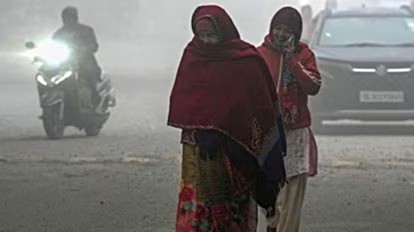
Seasonal flu patterns are closely linked to weather conditions. Colder temperatures, reduced ventilation indoors, and increased social gatherings contribute to higher transmission. Schools, workplaces, and public transport systems can become focal points for spread during this period.
Health experts note that awareness and timely action during peak season play a critical role in limiting impact. Simple behavioural changes can significantly slow transmission without disrupting daily life.
Outlook and What to Expect Ahead
The current rise in seasonal flu cases is expected to continue for the next few weeks before tapering off as temperatures rise. Authorities are monitoring trends closely to ensure no unexpected escalation occurs.
The Health Ministry’s alert is intended to reinforce preparedness rather than signal alarm. With coordinated action by states, healthcare providers, and the public, the seasonal surge can be managed effectively.
Takeaways
- Seasonal flu cases are rising across India, in line with winter patterns
- High risk groups include elderly people, children, and those with chronic illness
- Health Ministry has advised states to strengthen surveillance and preparedness
- Preventive measures and early treatment remain key to managing the surge
FAQs
What symptoms should prompt medical consultation for seasonal flu?
High fever, persistent cough, breathlessness, chest pain, or worsening of existing conditions should prompt a doctor visit.
Is seasonal flu dangerous for healthy adults?
Most healthy adults recover without complications, but rest and monitoring are important to avoid spread.
How is seasonal flu different from common cold?
Seasonal flu typically causes sudden and more severe symptoms compared to the common cold.
Can seasonal flu be prevented completely?
It cannot be fully prevented, but vaccination and hygiene practices greatly reduce risk and severity.