




Now Reading: Heavy Security Deployed in Mumbai as Civic Polls See Turnout Rise
-
01
Heavy Security Deployed in Mumbai as Civic Polls See Turnout Rise
Heavy Security Deployed in Mumbai as Civic Polls See Turnout Rise
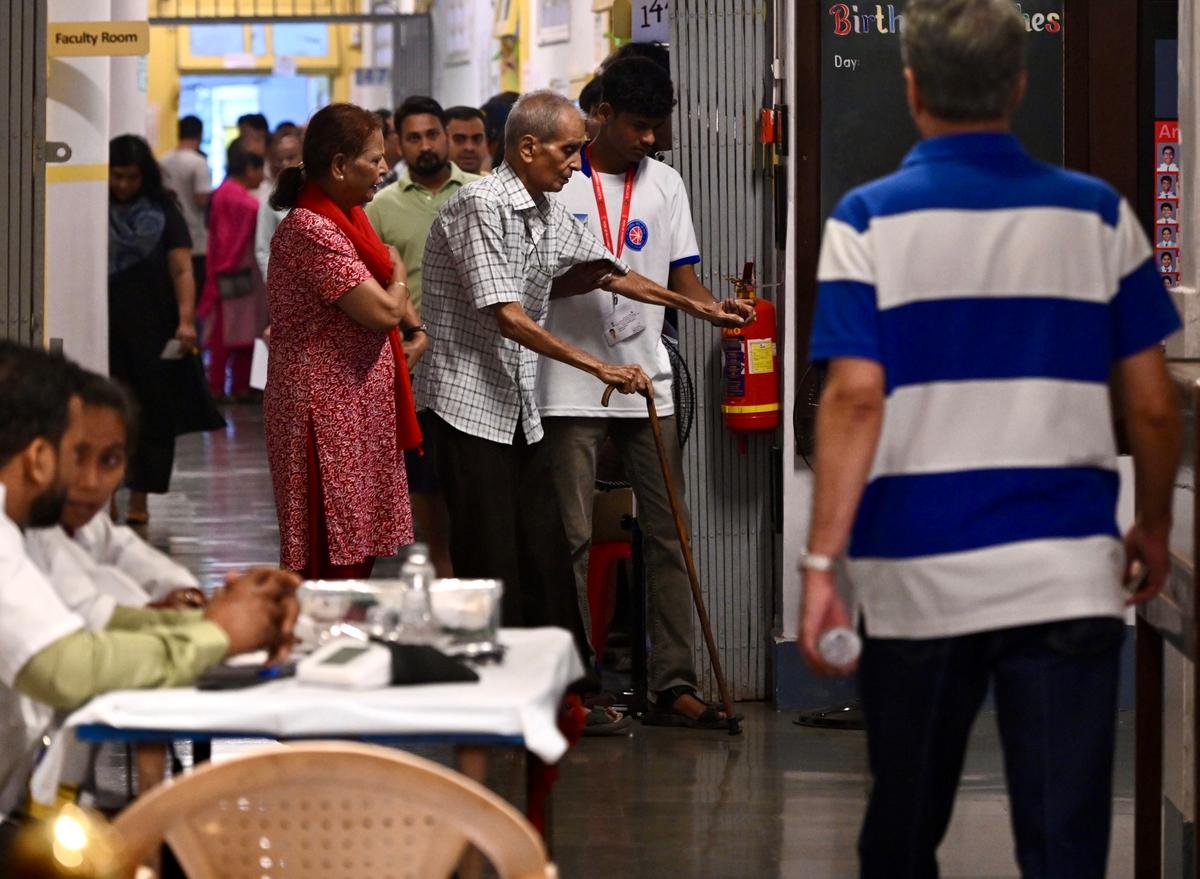
Heavy security deployment in Mumbai marked the civic polls as voter turnout showed a noticeable increase across several wards. Authorities tightened arrangements to ensure peaceful voting, smooth crowd management, and uninterrupted polling in one of India’s most densely populated urban centres.
Heavy security deployment in Mumbai became a defining feature of the civic polls as voting began early across the city. The elections, seen as crucial for local governance and political signalling, prompted authorities to put extensive safety measures in place. Police presence was visible across polling booths, sensitive areas, and major transit points, reflecting the scale and importance of the electoral exercise.
Security arrangements across polling stations and key zones
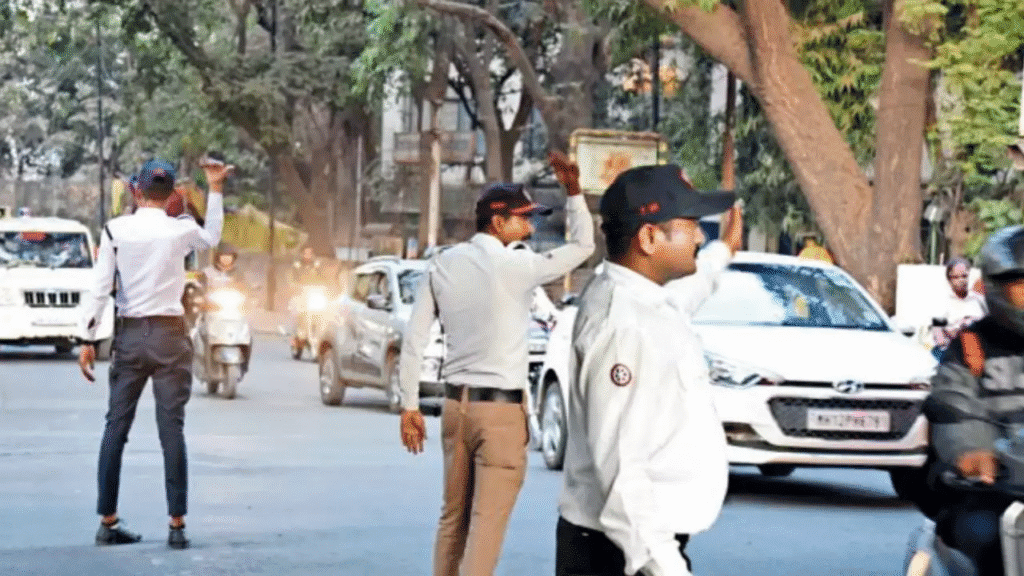
Mumbai Police implemented a multi-layered security plan covering polling booths, counting centres, and surrounding neighbourhoods. Thousands of personnel were deployed across the city, including local police, armed reserve units, and quick response teams.
Sensitive and hyper-sensitive wards received additional protection, with route patrols and static pickets positioned to prevent any untoward incidents. Senior officers supervised arrangements on the ground, while control rooms monitored real-time updates from across zones.
Security planning focused not only on preventing violence but also on managing crowds, regulating traffic, and ensuring that voters could access polling stations without disruption. Surveillance measures and rapid communication channels were used to respond quickly to any developing situation.
Civic polls drive higher voter participation in Mumbai
The civic polls in Mumbai recorded improved voter turnout compared to previous local body elections. Several wards reported steady queues from early morning hours, particularly in residential areas where local civic issues remain a priority for voters.
Increased participation has been attributed to heightened political engagement and the perception that municipal governance directly impacts daily life. Issues such as road conditions, drainage, water supply, redevelopment, and cleanliness featured prominently during campaigning, motivating residents to vote.
Election officials noted that awareness drives and improved booth accessibility also contributed to better turnout. Facilities for senior citizens and persons with disabilities were expanded in many areas, reducing barriers to participation.
Law and order measures to prevent disruptions
Maintaining law and order remained central to the heavy security deployment in Mumbai. Prohibitory orders were enforced in select areas to prevent unlawful gatherings, while authorities kept a close watch on social media to curb misinformation or provocative content.
Alcohol sales were restricted during polling hours as per standard election norms, and police conducted checks to prevent illegal inducements or canvassing near booths. Flying squads and enforcement teams were active throughout the day to respond to complaints.
These measures aimed to ensure that the electoral process remained fair and intimidation-free, particularly in closely contested wards where tensions can run high.
Role of technology and coordination during polling
Technology played a growing role in managing security and polling operations. CCTV coverage at polling stations, live monitoring at control rooms, and digital reporting tools helped authorities maintain situational awareness.
Coordination between election officials, police units, and civic administration was streamlined to address logistical challenges quickly. Any issues related to queues, equipment, or voter verification were addressed on priority to prevent delays.
The integration of technology with on-ground deployment allowed faster decision-making and reduced response times, contributing to a smoother polling experience for voters.
Political significance of turnout and security focus
The combination of higher voter turnout and heightened security underscores the political importance of Mumbai’s civic polls. Control of the municipal corporation carries significant administrative and financial influence, making these elections closely watched across the state.
Political observers view turnout trends as an indicator of public sentiment and grassroots mobilisation. Higher participation often reflects voter belief that local leadership can bring tangible change to neighbourhood-level issues.
For authorities, the emphasis on security signals a commitment to safeguarding democratic participation in a city known for its size, diversity, and complex urban challenges.
What happens after polling concludes
With polling concluding peacefully, attention will shift to vote counting and result announcements. Security arrangements are expected to remain in place around counting centres to ensure orderly proceedings.
Election officials will review turnout data, complaint records, and operational feedback to assess the effectiveness of arrangements. The results will determine the composition of the municipal body and set the direction for urban governance in the coming years.
Takeaways
- Heavy security deployment ensured smooth civic polling in Mumbai
- Voter turnout showed an uptick across multiple city wards
- Police focused on law and order, crowd control, and fairness
- Civic issues played a key role in driving voter participation
FAQs
Why was heavy security deployed during Mumbai civic polls?
The scale of the election and the city’s dense population required strong security to maintain law and order and ensure peaceful voting.
Did voter turnout increase in this election?
Yes. Several areas reported higher participation compared to previous civic polls, especially in residential wards.
Were there any major incidents reported during polling?
Polling remained largely peaceful, with no major disruptions reported during voting hours.
What happens after voting ends?
Votes will be counted as per schedule, with security maintained at counting centres until results are declared.