






Now Reading: How Brands Use Scarcity to Trigger FOMO and Drive Sales
-
01
How Brands Use Scarcity to Trigger FOMO and Drive Sales
How Brands Use Scarcity to Trigger FOMO and Drive Sales
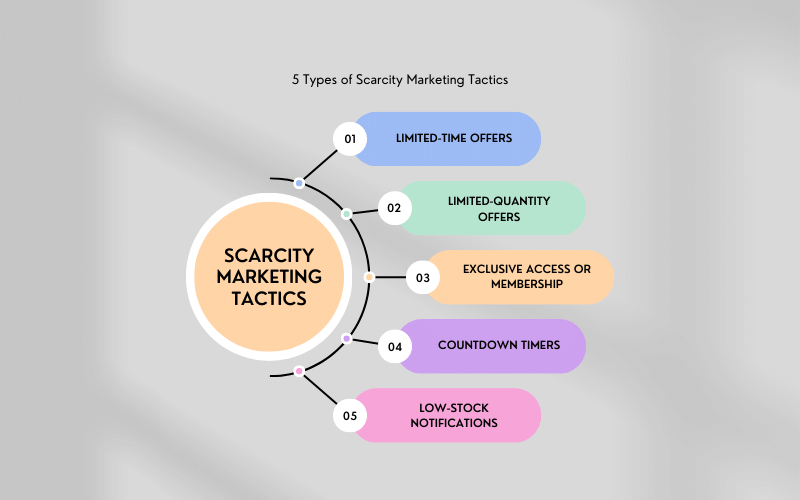
In India’s fast-growing consumer market, shoppers are increasingly influenced by psychological triggers that brands deploy to drive purchases. One of the most powerful tools is scarcity—the perception that a product is limited in supply. This tactic leverages FOMO, or the “fear of missing out,” prompting consumers to buy quickly, often without careful consideration. From electronics to fashion and even online courses, scarcity-driven marketing is reshaping buying behavior in both Tier 1 and Tier 2 cities.
Scarcity works because it taps into basic human psychology. When people believe that a product is in limited supply, they assign it higher value and urgency. Brands often use phrases like “only a few left,” “limited edition,” or “sale ends in 24 hours” to create a sense of immediacy. This triggers impulsive buying, as consumers fear losing out on an opportunity that may not come again.
Digital platforms amplify the effect. E-commerce sites display real-time stock counts and countdown timers, showing shoppers exactly how many items remain. Social media campaigns highlight exclusive launches or limited-time offers, often featuring influencers to add credibility. In Tier 2 cities, where consumers are increasingly digitally connected, these tactics are particularly effective in driving rapid adoption and purchases.
Scarcity marketing is not just about physical availability. Brands also create artificial scarcity through limited editions, seasonal products, or exclusive collections. Fashion labels, tech companies, and lifestyle brands release products in small batches, generating excitement and long waiting lists. Even when stock is sufficient, the perception of rarity encourages consumers to act quickly, often paying a premium.
While this strategy boosts sales, it also influences consumer behavior in subtler ways. FOMO can lead to over-purchasing or regrettable spending, as buyers prioritize perceived urgency over actual need. It can also foster brand loyalty, as consumers feel part of an exclusive community that owns scarce or unique items. Companies exploit this by combining scarcity with rewards, loyalty programs, or early access, deepening engagement.
Economically, scarcity marketing can have broader implications. In Tier 1 cities, it accelerates product turnover and revenue, while in Tier 2 cities, it shapes consumer expectations about availability and exclusivity. For shoppers, understanding these tactics is crucial to making rational decisions and avoiding impulsive purchases driven by artificial urgency.
Ultimately, scarcity is a powerful tool in modern marketing, converting psychological triggers into measurable sales. By creating a perception of limited availability, brands leverage FOMO to influence consumer decisions. Awareness of this tactic helps shoppers navigate the market more strategically, making purchases based on actual need rather than perceived scarcity.
This growing trend highlights the intersection of psychology and commerce, showing how subtle marketing strategies can shape buying patterns across India’s diverse consumer landscape.