








Now Reading: How Corporations Profit From Your Data: The Hidden Economy of Digital Surveillance
-
01
How Corporations Profit From Your Data: The Hidden Economy of Digital Surveillance
How Corporations Profit From Your Data: The Hidden Economy of Digital Surveillance
Every click, search, or scroll on the internet leaves behind a digital trace. What most people don’t realize is that these traces — personal data — have become one of the world’s most valuable resources. From social media platforms to shopping apps, corporations quietly collect and monetize user information, turning your online habits into profit. The convenience of “free” digital services often hides a costly trade-off: your privacy.
In the digital age, data is the new oil. Companies track your every move online — what you buy, where you go, how long you spend on a page, even what you almost clicked. This data is analyzed to build detailed consumer profiles that help businesses predict behavior, personalize ads, and influence decisions. The result is a multibillion-dollar ecosystem where your preferences are bought and sold like commodities.
In India, where digital adoption has surged, the data market is thriving. With the widespread use of UPI payments, e-commerce platforms, and social media apps, vast amounts of personal information flow daily through corporate servers. Whether it’s a grocery delivery app or a music streaming platform, nearly every digital service collects some form of data under the guise of “personalization.”
While targeted advertising is the most visible use of this data, the real profits lie deeper. Corporations aggregate and analyze user data to forecast market trends, design new products, and even determine pricing strategies. For instance, algorithms can adjust prices dynamically based on spending history or demand patterns. This practice, known as “data-driven pricing,” often means different users see different prices for the same product.
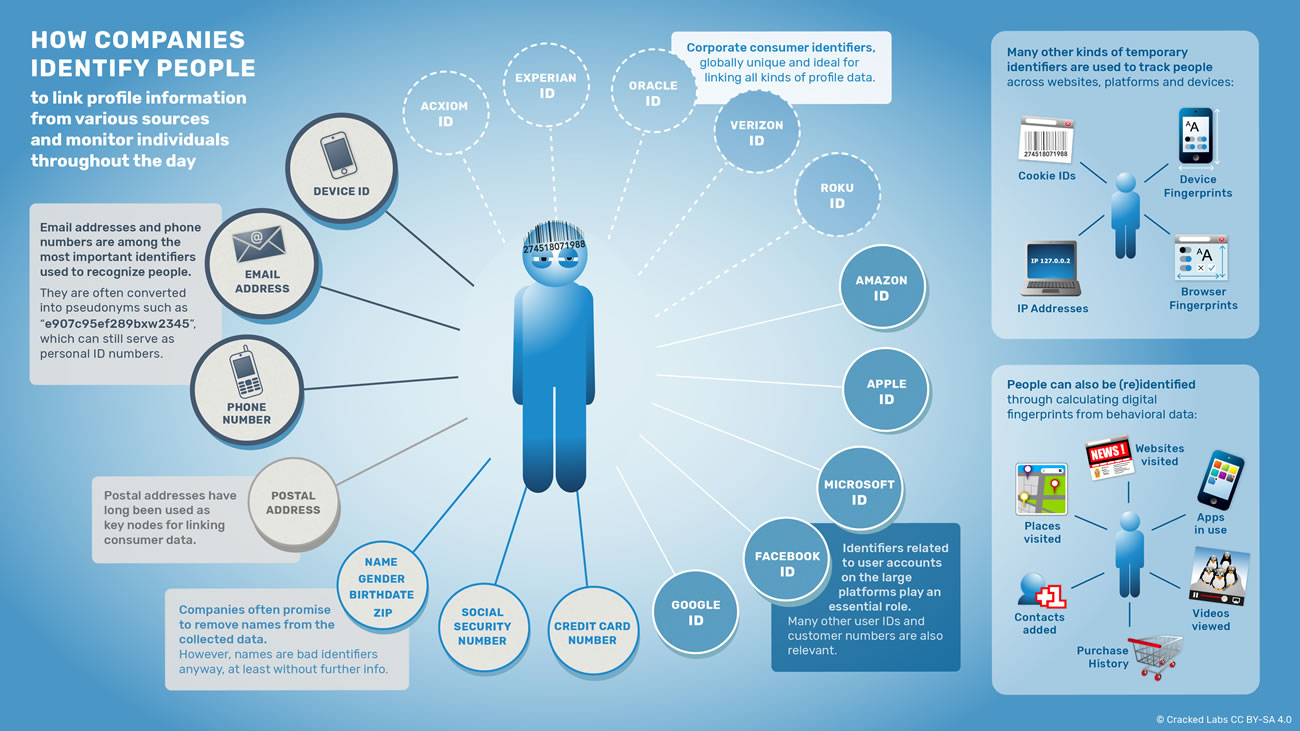
For the average Indian user, this invisible economy raises serious questions about privacy and consent. Many people accept lengthy terms and conditions without understanding how their data will be used. Even when companies claim to anonymize data, patterns and metadata often make it easy to re-identify individuals. This blurs the line between ethical data use and exploitation.
Recent efforts, such as India’s Digital Personal Data Protection Act, aim to give citizens more control over their information. However, the gap between regulation and enforcement remains wide. Big corporations continue to operate within legal gray zones, collecting far more data than users knowingly agree to share.
The challenge for consumers is balancing convenience with caution. Using privacy settings, avoiding unnecessary permissions, and being selective about what apps to trust can help reduce exposure. But as long as data remains a valuable asset, corporations will find new ways to monetize it.
Ultimately, the price of free digital services is not paid in cash but in personal information. Every like, tap, and online purchase contributes to a massive industry built on your behavior. As technology continues to shape modern life, understanding how corporations profit from your data is the first step toward reclaiming some of that power.