






Now Reading: How Fake Verification Pages Steal Identities
-
01
How Fake Verification Pages Steal Identities
How Fake Verification Pages Steal Identities

The blue tick on social media has become a symbol of trust and status. Scammers know this—and they use it to trick people. Fake verification pages are popping up across platforms, pretending to offer official verification in exchange for small fees or login details. What seems like a shortcut to credibility often ends in stolen identities, hacked accounts, or financial loss.
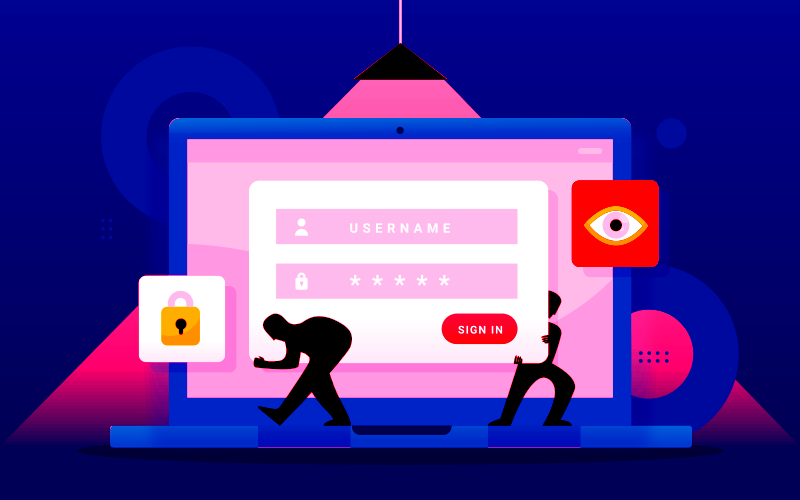
In Tier 2 cities, where social media creators and small business owners are growing rapidly, this scam is spreading fast. These fake pages look almost real—using platform logos, professional designs, and convincing messages. They send DMs claiming, “Your account qualifies for verification,” followed by a link that asks for login credentials. Once entered, the account is compromised within minutes.
Scammers then use the stolen account to target more victims, post phishing links, or demand money from friends and followers. Some even sell the hacked profiles on the dark web, especially if they have good engagement or a verified audience. The worst part is that victims often don’t realize what happened until they’re locked out of their own accounts.
The trick lies in subtle manipulation. People fall for it because it feels official and flattering. The moment someone sees “verification opportunity,” they drop their guard. But no legitimate platform ever asks for passwords, OTPs, or payments through messages. Verification requests only happen through official app settings or emails from domain-verified sources.
The key takeaway is simple—never trust verification links sent through DMs or unknown emails. Protect your credentials the same way you protect your money. Online recognition means nothing if it costs you your digital identity.