





Now Reading: How India’s Tier-2 Cities Are Quietly Emerging as Crypto Hubs
-
01
How India’s Tier-2 Cities Are Quietly Emerging as Crypto Hubs
How India’s Tier-2 Cities Are Quietly Emerging as Crypto Hubs

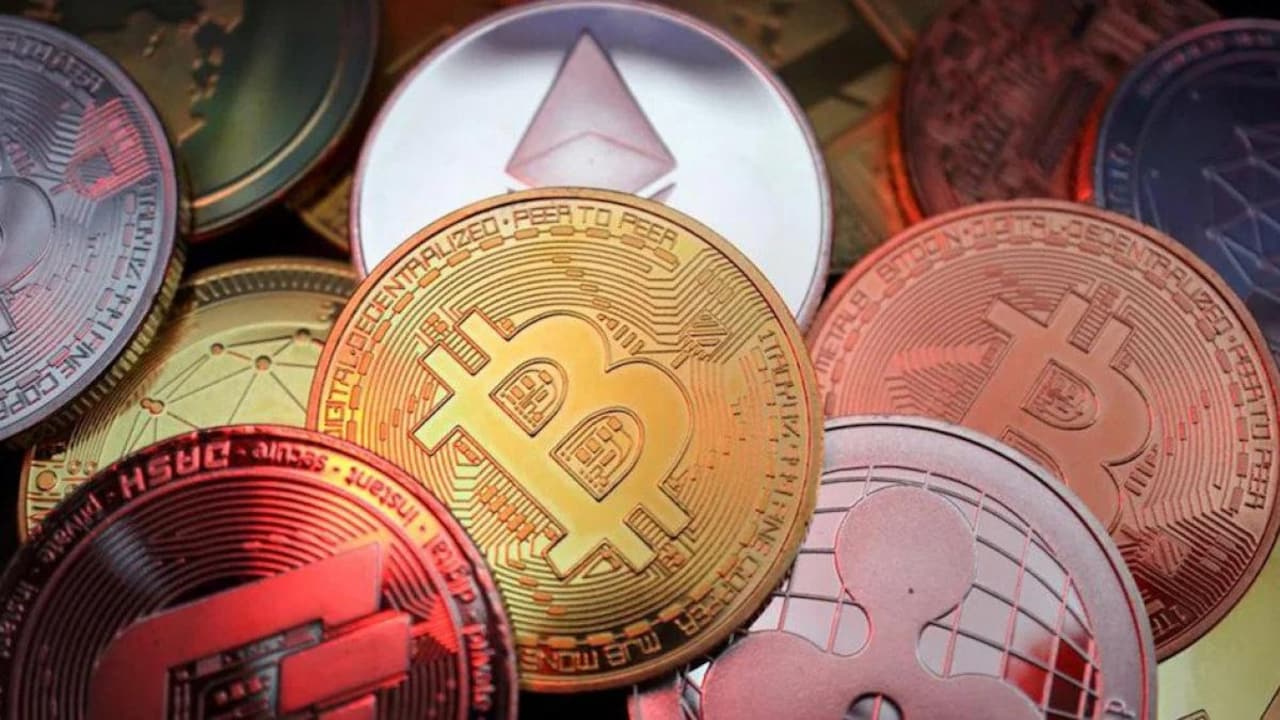
Crypto adoption in India isn’t just a metro story anymore. Cities like Nagpur, Indore, Surat, and Coimbatore are now seeing a noticeable rise in blockchain awareness, trading activity, and start-up participation. While the big metros remain the financial anchors, Tier-2 cities are quietly shaping a new kind of digital economy—one that blends ambition with curiosity. The shift opens both opportunities and risks for residents exploring this new frontier.
Across Tier-2 India, young professionals and small business owners are beginning to view cryptocurrency as more than just an online trend. Affordable internet, UPI familiarity, and growing exposure to fintech platforms have helped bridge the gap between urban and semi-urban investors. Many first-time users are entering through peer recommendations or local tech communities rather than formal financial networks. What’s interesting is that the motivation isn’t always profit; for some, it’s the sense of being part of a global shift in finance and technology.
In cities like Nagpur and Jaipur, educational institutes and co-working spaces are hosting informal blockchain discussions. These gatherings are introducing participants to topics like decentralized finance, NFTs, and the long-term potential of digital currency infrastructure. At the same time, several local start-ups are experimenting with blockchain solutions in logistics, property verification, and supply chain transparency. This shows that Tier-2 cities aren’t just following crypto trends—they’re testing real applications suited to local challenges.
However, this growing excitement also brings risks that investors can’t afford to ignore. The lack of consistent regulation and public understanding has made many Tier-2 residents vulnerable to misinformation and online scams. Many invest through unverified exchanges or rely on social media advice without understanding how volatile the market can be. There’s also limited access to credible advisors who can explain taxation, security, or the difference between speculative tokens and long-term projects.
Financial literacy is improving, but slowly. People are learning how wallets, private keys, and decentralized systems work. Yet, without structured awareness programs, a large part of Tier-2 India remains exposed to the emotional highs and lows of crypto hype. Education at the community level—through colleges, local media, and online platforms—could play a major role in building responsible participation.
The opportunity here is clear: Tier-2 cities can become important contributors to India’s digital future if adoption is guided with knowledge and caution. As local economies diversify and internet access deepens, crypto could become a legitimate alternative investment path for many. But that potential will only be realized when users understand the balance between innovation and risk.
India’s next phase of digital finance won’t be driven solely by big metros. It will come from the energy and adaptability of its smaller cities—the places where ambition meets awareness. If these communities embrace crypto with care and clarity, they could define how the country builds a more inclusive and responsible digital economy.