









Now Reading: How Inflation Silently Steals Your Savings Over Time
-
01
How Inflation Silently Steals Your Savings Over Time
How Inflation Silently Steals Your Savings Over Time
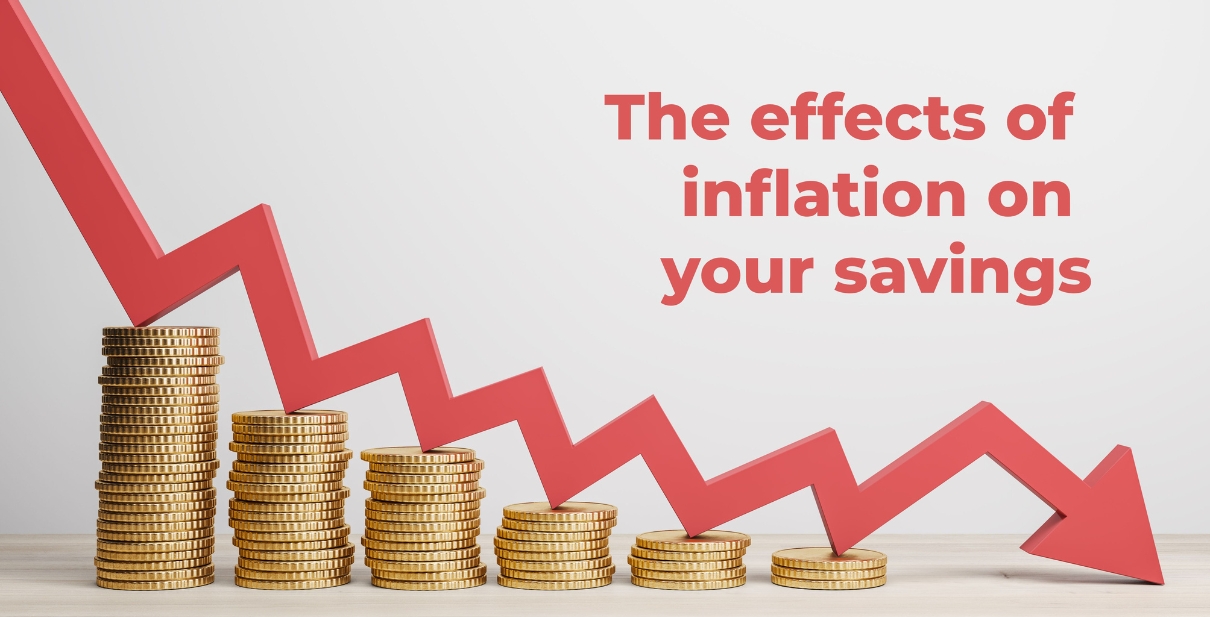
Inflation doesn’t arrive with alarms or warnings — it creeps in quietly, eroding the value of money bit by bit. Most people don’t notice it until their monthly expenses begin to rise, or their savings seem to buy less than before. While salaries may increase occasionally, prices often climb faster, making it harder for the average person to keep up. This silent thief affects every Indian household, from Tier 1 cities to small towns.
The Disappearing Power of the Rupee
At its core, inflation reduces what your money can buy. A cup of tea that cost ₹10 five years ago might cost ₹20 today. The number of rupees in your bank account might stay the same, but what that money can purchase steadily declines. For people relying on fixed deposits or traditional savings, this is a major problem — the interest earned often fails to match inflation, meaning your “safe” money is actually losing value every year.
Why Everyday Prices Keep Rising
Several factors drive inflation in India. Global oil prices directly impact transportation costs, which then influence the price of everything from groceries to gadgets. Seasonal disruptions, government taxes, and supply chain challenges also play a role. For urban families, rent, fuel, and education costs are the most noticeable increases. In Tier 2 cities, food inflation hits hardest, especially for essentials like rice, wheat, and vegetables.
The Illusion of Growing Income
Many people feel reassured when their salaries increase, but few realize that real income — the amount left after adjusting for inflation — might not have changed much. For example, a 10% salary hike means little if inflation is running at 7–8%. The psychological comfort of “earning more” often hides the reality that the extra money buys less. This gap between nominal income and real value is what inflation exploits silently.
Why Traditional Savings Aren’t Enough
Indians have long trusted savings accounts, fixed deposits, and gold for security. But in an era of rising inflation, these may no longer be enough. A fixed deposit offering 6% returns in a year with 7% inflation means a negative return in real terms. Even gold, while considered a hedge, fluctuates in value and doesn’t always beat inflation in the short term. Over time, relying solely on these traditional options leaves savers financially stagnant.
Impact on Retirees and Middle-Class Families
Inflation hits retirees and middle-income families the hardest. Retirees, who depend on fixed incomes, see their purchasing power decline steadily. The middle class feels the squeeze between higher living costs and slower income growth. Expenses for healthcare, education, and housing — all essentials — have grown much faster than general inflation rates in India.
Protecting Yourself from Inflation
The first step is awareness. Diversifying your savings into inflation-beating investments like mutual funds, equities, or inflation-indexed bonds can help preserve real value. While these carry some risk, they also offer potential for long-term growth. For households, tracking expenses and adjusting budgets regularly ensures spending stays realistic as prices rise.
The Bigger Picture
Inflation is an unavoidable part of any growing economy, but its effects are not uniform. The wealthy often manage through investments, while average earners watch their savings lose strength over time. The silent erosion of money is one of the biggest financial risks people overlook.
Understanding inflation isn’t just about economics — it’s about protecting your future. Because when inflation rises quietly, the cost of not paying attention is paid in lost dreams, not just lost rupees.