








Now Reading: How Influencer-Brand Partnerships Quietly Shape What People Buy
-
01
How Influencer-Brand Partnerships Quietly Shape What People Buy
How Influencer-Brand Partnerships Quietly Shape What People Buy
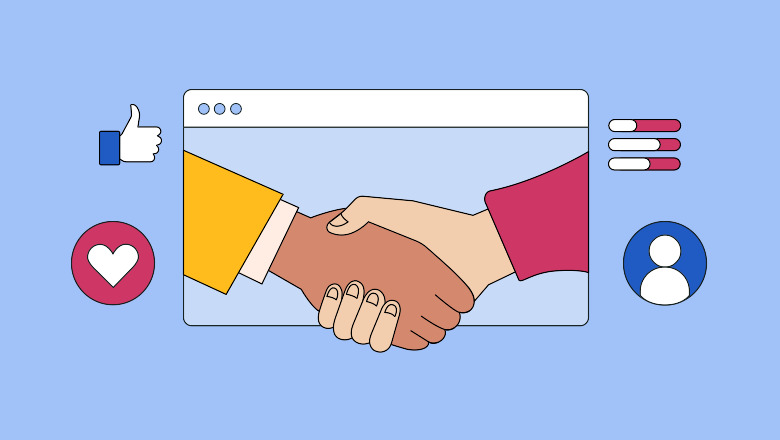
Influencer marketing has become one of the most powerful tools in modern advertising. From beauty products to tech gadgets, influencers are no longer just creators — they are business assets shaping public perception and driving massive sales. In India’s fast-growing digital economy, these collaborations are subtly changing how people decide what to buy, often blurring the line between genuine recommendations and paid promotions.
The Power of Influence Over Intent
Consumers today trust influencers more than traditional ads. When a familiar face talks about a skincare routine or a new smartphone, it feels personal and relatable. That emotional connection is what brands tap into. By partnering with influencers who have loyal followings, companies create the illusion of authenticity — making followers believe the product is part of the influencer’s real life, not a paid campaign. This psychological pull is what turns curiosity into purchase intent.
How Demand Is Engineered
Every like, share, and reel is a carefully designed marketing move. Brands use influencers to create hype cycles — first through subtle mentions, then with limited offers or “exclusive” collaborations. The strategy builds artificial urgency and makes audiences feel they might miss out. For instance, beauty or lifestyle influencers often use phrases like “just launched” or “selling out fast,” pushing their followers to buy impulsively. The demand appears organic, but it’s often a well-calculated campaign.
The Indian Consumer and Digital Persuasion
In Tier 1 and Tier 2 cities, the impact is even stronger. With more people consuming content on Instagram, YouTube, and short-video platforms, influencer endorsements reach audiences faster than any billboard or TV ad could. Local influencers, especially those speaking regional languages, have become trusted figures for middle-class consumers. This localized trust gives brands a direct entry into households that traditional advertising once struggled to reach.
Blurring the Lines Between Reality and Marketing
The biggest concern is the lack of transparency. Many influencers don’t clearly label paid content, leading followers to believe the endorsement is genuine. This manipulates perception and can create unrealistic expectations about a product’s quality or effectiveness. The audience often doesn’t realize how strategically their interests are being shaped, from the algorithm that recommends content to the influencer who subtly repeats brand slogans.
The Business Behind the Glamour
Influencer partnerships are not just about fame — they’re structured deals with specific goals, deadlines, and conversion metrics. Brands closely monitor engagement data to see which creators can drive measurable sales. For influencers, maintaining this performance often means prioritizing profitable partnerships over authenticity. This cycle creates a digital marketplace where attention itself becomes a currency, traded between personalities and corporations.
Rethinking Trust in the Digital Age
The influencer economy is not disappearing — it’s evolving. Audiences are becoming more aware, and some creators now choose transparency as their strategy, openly discussing sponsorships. However, the majority still operate in a grey area, balancing trust and profit.
For consumers, understanding this ecosystem is key. What seems like a casual recommendation may be a well-paid performance. In today’s attention-driven market, influence has become one of the most sophisticated tools for shaping demand — and awareness is the only real defense against it.