








Now Reading: How MLM Schemes Are Disguising Themselves Under New Names
-
01
How MLM Schemes Are Disguising Themselves Under New Names
How MLM Schemes Are Disguising Themselves Under New Names
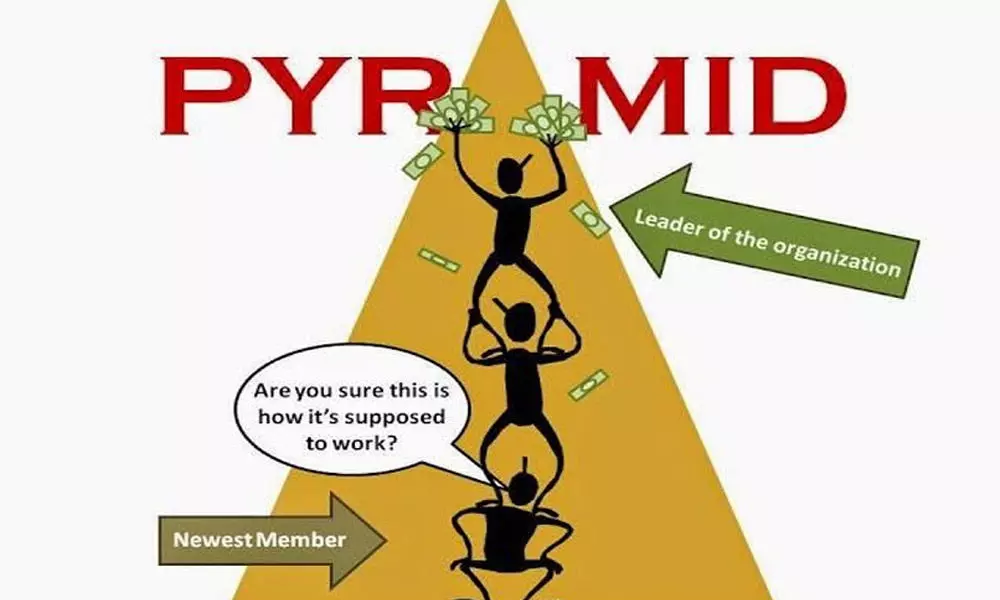
The world of multi-level marketing (MLM) hasn’t disappeared — it has simply changed its clothes. Across India, schemes once known for false promises of “financial freedom” now appear in the form of digital franchises, investment clubs, and crypto ventures. While the names have evolved, the structure remains the same: recruit more people, promise quick money, and leave most participants with losses instead of profits.
The Evolution of MLM Tactics
After years of scrutiny and legal crackdowns, traditional MLM companies in India began reinventing themselves. Instead of selling household items or beauty products, these newer ventures now deal in digital services, forex trading, or cryptocurrency. They often use modern branding, sleek websites, and professional-looking marketing campaigns to appear legitimate. Words like “affiliate program,” “community marketing,” and “network entrepreneurship” are used to replace the tainted term “MLM.”
The Promise That Hooks People
These schemes usually start with motivational seminars or online webinars where participants are promised financial independence and a flexible lifestyle. The pitch sounds convincing: invest a small amount, bring in new members, and watch your earnings multiply. What people don’t realize is that these systems depend entirely on constant recruitment. Once the chain slows down, the entire model collapses, leaving late joiners with heavy losses.
Digital Platforms Make It Easier
Unlike the old MLM structure that relied on personal connections, today’s digital environment has expanded the reach of these schemes. Through WhatsApp groups, Telegram channels, and influencer promotions, MLM-style operations reach thousands of people within days. They appear more credible because they use trending topics like crypto trading, e-commerce reselling, or passive income generation. However, the end result is usually the same — a few early entrants profit, while the rest lose money.
Indian Context and Victims
In Tier 2 and Tier 3 cities, these modern MLMs thrive by targeting the aspirations of young professionals and students. Many are drawn by the idea of earning from home or escaping low-paying jobs. In several cases, entire families get involved after being convinced by friends or local influencers. By the time they realize the setup is unsustainable, the operators have already moved on under a new name or business model.
Why It’s Hard to Identify
One reason these schemes continue to succeed is the grey area between legitimate direct selling and deceptive pyramid structures. Some companies register under the Direct Selling Guidelines, but their real revenue still depends on recruitment rather than actual product sales. The use of digital wallets, tokens, or “training fees” makes it even harder for authorities to track the money flow.
The Need for Awareness
The government and financial regulators have issued several warnings against such schemes, but awareness among the public remains limited. People often confuse legitimate investment opportunities with get-rich-quick models. Before joining any organization, individuals should always check if it’s registered with relevant authorities and understand exactly how earnings are generated. If profits depend more on recruiting than selling, it’s a red flag.
The Bottom Line
The faces and names of MLM schemes may have changed, but their intent hasn’t. They continue to thrive on hope, manipulation, and financial ignorance. As India becomes more digitally connected, these scams are becoming harder to spot but easier to spread. Recognizing the signs early can save people from financial loss and emotional distress. In today’s online economy, awareness is not just protection — it’s power.