





Now Reading: How Rising Petrol Prices Shape the Cost of Everything You Buy
-
01
How Rising Petrol Prices Shape the Cost of Everything You Buy
How Rising Petrol Prices Shape the Cost of Everything You Buy
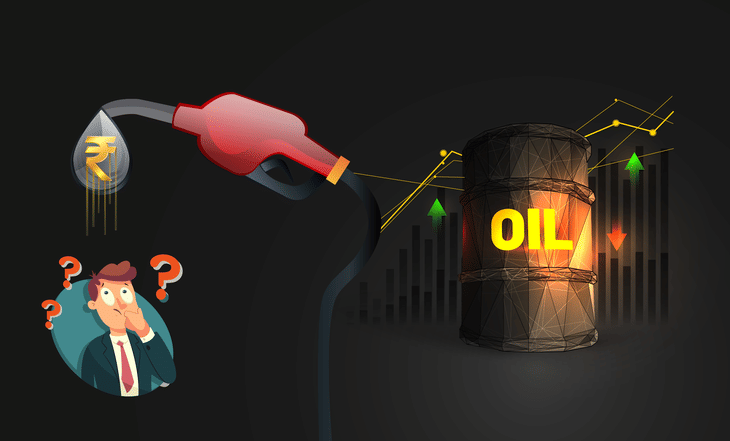
When petrol prices go up, it’s not just about paying more at the fuel pump. From grocery items to online deliveries, almost every expense in daily life starts to rise. India, with its vast logistics network and dependence on road transportation, feels this impact more sharply than most. Understanding how petrol costs ripple through the economy explains why consumers across cities—big and small—end up paying more for nearly everything.
Petrol as the economy’s backbone
Fuel is the invisible link connecting producers, distributors, and consumers. Trucks, two-wheelers, and delivery vans move the majority of goods in India, from farm produce to factory-made products. When fuel prices climb, transportation companies spend more, and these added costs are passed along the chain—first to wholesalers, then retailers, and finally to consumers. Whether it’s fruits at a local market or furniture in a metro showroom, the price tag quietly absorbs the rising cost of petrol.
Impact on essential commodities
Basic goods such as vegetables, milk, and grains depend heavily on road transport. For instance, vegetables grown in Maharashtra or Karnataka travel hundreds of kilometres to reach northern cities like Delhi or Lucknow. Even a slight increase in petrol prices can push up freight costs, which then get reflected in the final selling price. Similarly, processed foods, bottled beverages, and dairy products also face higher packaging and delivery expenses when fuel becomes expensive.
Urban and rural effects
Tier 1 cities, with higher consumption and complex supply chains, often see price hikes quickly after petrol rates rise. Meanwhile, Tier 2 and rural areas face delayed but deeper effects. Farmers pay more for operating tractors, irrigation pumps, and transporting produce to mandis. Small business owners who rely on daily deliveries—like restaurant owners, local distributors, or gig delivery workers—experience a direct hit to their income.
How businesses respond
Companies try to absorb fuel cost hikes initially, but sustained increases eventually lead to price adjustments. Logistics firms often introduce “fuel surcharges,” while online marketplaces revise delivery fees. Auto-rickshaw and taxi fares in cities get revised, and bus ticket prices follow. This chain reaction continues until consumers shoulder part of the burden, which can also reduce demand for non-essential goods.
Government policies and taxes
A major part of India’s petrol price is tax, which includes excise duty, VAT, and other levies. State-level taxes mean petrol prices differ across the country, with cities like Mumbai or Hyderabad often recording the highest rates. While global crude oil prices play a role, local taxation determines how much Indian consumers ultimately pay. Policymakers face a balancing act between revenue needs and controlling inflation.
Why it matters for the average consumer
Petrol prices act as a trigger for inflation, influencing the cost of transportation, manufacturing, and retail. Every rupee increase per litre can ripple through multiple sectors. For middle-class households already managing rent, EMIs, and groceries, even small price hikes alter monthly budgets. This connection between fuel and inflation is why petrol prices are not just an economic issue but a daily concern for millions.
In short, petrol is more than a fuel—it’s the lifeblood of India’s economy. Every product that moves, every service that runs, and every delivery that reaches your doorstep depends on it. When petrol prices rise, the cost of living quietly climbs with it.