






Now Reading: How Tourism Changed Traditional Villages Forever
-
01
How Tourism Changed Traditional Villages Forever
How Tourism Changed Traditional Villages Forever
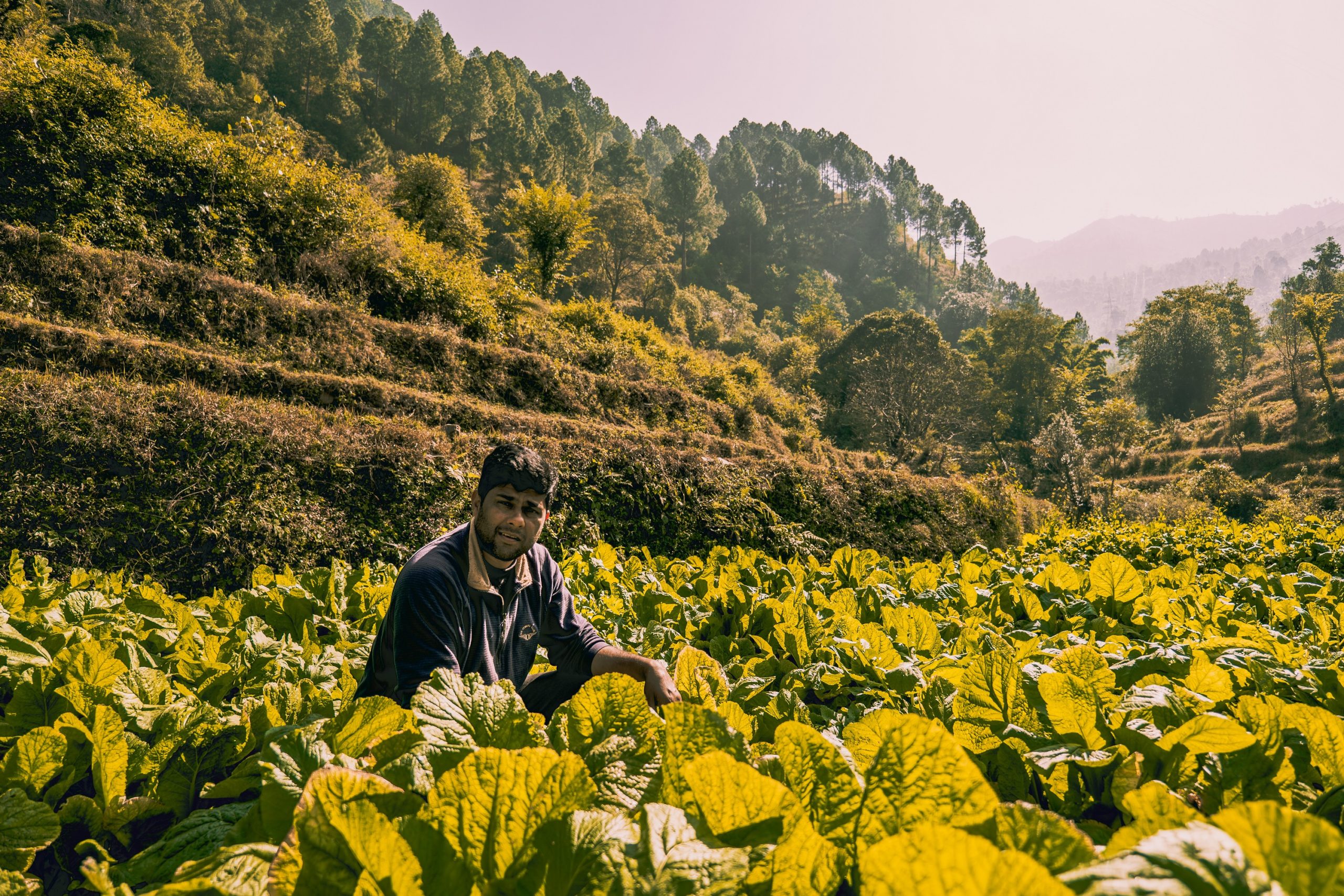
Tourism has brought both opportunity and transformation to India’s traditional villages. What were once quiet rural communities rooted in agriculture and culture have now become lively destinations for urban travelers seeking authenticity. While tourism has helped preserve art, craft, and heritage, it has also altered lifestyles, values, and economic structures in ways that are not always visible at first glance.
In the past decade, rural tourism has gained momentum as more Indians look beyond cities for weekend escapes. From the homestays of Himachal to the handicraft hubs of Rajasthan and the coastal retreats of Kerala, villages have turned into vibrant tourism economies. The idea of “experiential travel” has encouraged visitors to live, eat, and work like locals. In return, villagers have discovered new sources of income that go far beyond farming.
For many communities, tourism has been a financial lifeline. Local families who once depended entirely on crops or daily wages now run homestays, food stalls, or guide services. Artisans have found direct access to buyers without middlemen. Young villagers are staying back instead of migrating to cities, using digital tools to market their villages online. Tourism has created employment opportunities for women as well, from cooking and weaving to managing local guesthouses.
However, this rapid change also comes with trade-offs. The rise in visitors often puts pressure on limited local resources such as water, waste systems, and electricity. In scenic regions like Ladakh and Uttarakhand, the sudden tourism boom has led to overcrowding and environmental strain. Cultural erosion is another growing concern—traditional customs, attire, and languages are slowly fading as villagers adapt to urban tastes to attract tourists.
The commercialization of culture has also blurred authenticity. Folk performances, rituals, and crafts are sometimes presented in a simplified or exaggerated way to please visitors. What was once a part of daily life becomes a staged attraction. This raises the question—how much change is too much when it comes to preserving rural identity?
Despite these challenges, tourism has undoubtedly sparked pride and innovation in rural India. Many villages have taken control of their narratives, promoting eco-tourism, cultural workshops, and sustainable travel models. Initiatives encouraging responsible tourism are helping balance development with preservation, ensuring that both locals and visitors benefit.
In Tier 2 cities and nearby towns, this shift is especially visible. Urban travelers are increasingly supporting rural experiences as a way to disconnect from city life, while villagers are learning to blend tradition with enterprise. The result is a cultural exchange that has reshaped both sides—city dwellers gain perspective, and rural communities gain visibility.
Tourism has changed India’s villages forever, but not all change is loss. It has brought exposure, dignity, and opportunity to countless rural families. The challenge now is to ensure that the charm and authenticity that attract visitors in the first place are not lost in the process of growth.