





Now Reading: IMD cold wave alert spreads across MP Odisha and Telangana
-
01
IMD cold wave alert spreads across MP Odisha and Telangana
IMD cold wave alert spreads across MP Odisha and Telangana
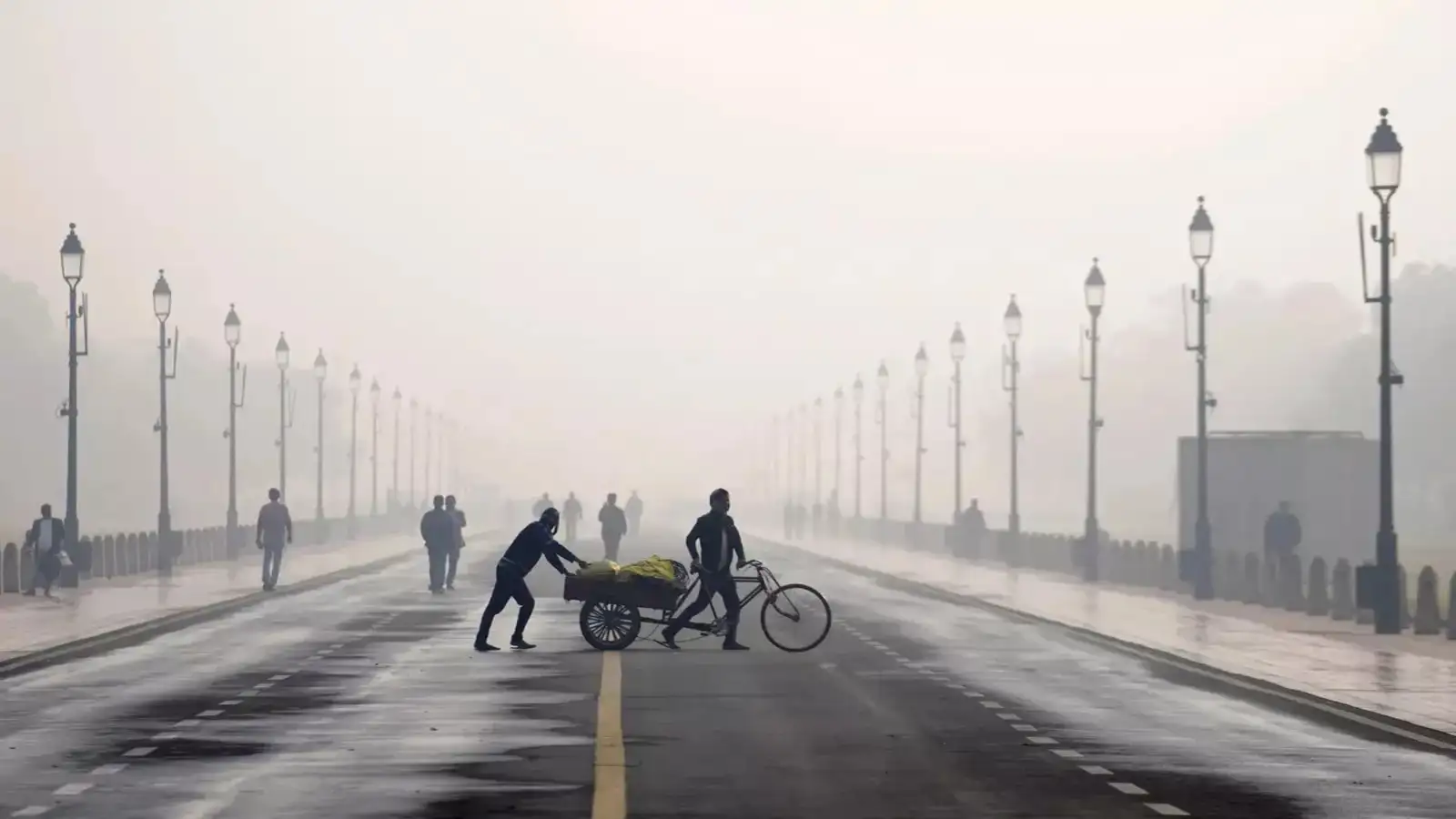
The IMD cold wave alert has spread across Madhya Pradesh, Odisha and Telangana as temperatures continue to drop sharply in central and eastern India. The alert reflects shifting winter patterns and signals the need for preparedness across rural and urban regions experiencing sudden weather fluctuations.
Temperature drop intensifies as cold wave conditions expand
Cold wave conditions have strengthened over the past two days, according to regional readings compiled by meteorological centres. Minimum temperatures in northern Madhya Pradesh and parts of eastern Odisha fell below seasonal averages, while interior Telangana reported a notable decline in night temperatures. District level data shows colder nights in areas like Guna, Raisen, Koraput and Adilabad, with some regions experiencing temperatures several degrees lower than last week. Officials attribute the drop to dry northwesterly winds and clear night skies, which accelerate heat loss from the surface. These conditions often create sharp contrasts between daytime and nighttime temperatures, increasing risk for vulnerable populations. Schools in select districts are monitoring attendance patterns and may adjust timings depending on local advisories.
Regional impact widens as cold wave forecast intensifies
The regional impact of cold wave conditions is extending into rural belts where early morning agricultural activity is common. Farmers in central India are preparing protective measures for crops sensitive to low temperatures. Vegetable growers are particularly cautious because cold stress can reduce yield quality. In Odisha, coastal zones are not under severe alert but interior districts are preparing for lower temperatures accompanied by dry air. Telangana authorities have issued health advisories encouraging residents to avoid prolonged exposure to early morning cold, especially older adults and children. Health centres have increased outreach campaigns for respiratory issues that typically rise during cold wave periods when pollutants remain trapped closer to the ground.
Infrastructure and public services adapt to colder conditions
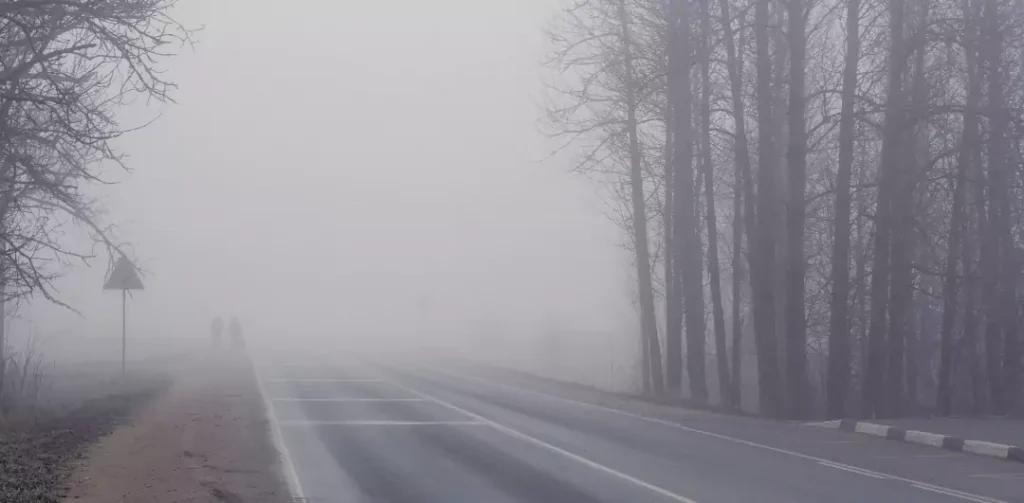
Public service departments are adjusting operations to match the expanding cold wave forecast. Power utilities in Madhya Pradesh and Telangana have increased load monitoring because electricity demand tends to rise as households use heating appliances. Transport departments have advised drivers to expect fog patches in early hours, although fog intensity remains lower than in northern states. Urban local bodies are setting up temporary shelters in major towns to support individuals who are vulnerable to cold exposure. Schools and colleges in some districts are awaiting further IMD updates before modifying academic schedules. The coordination between district administrations and weather centres is expected to continue through daily advisories.
Health precautions and community response to cold wave alert
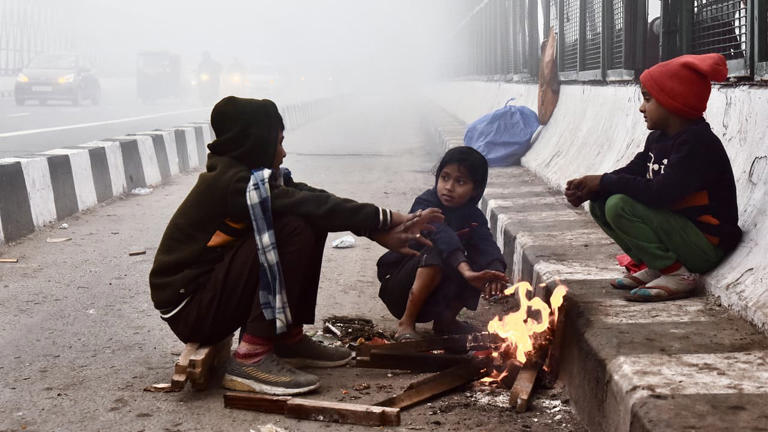
With the IMD cold wave alert spreading across multiple states, health officials are emphasising preventive steps. Sudden exposure to low temperatures increases the likelihood of respiratory infections, joint pain and cardiovascular strain. Medical professionals advise gradual adjustment to outdoor temperatures, use of layered clothing and adequate hydration. Rural health workers in Odisha and Madhya Pradesh are conducting door to door checks for older residents living alone. Community groups are distributing blankets in colder pockets, especially in hilly regions. Similar initiatives are under way in Adilabad and surrounding areas where cold wind conditions intensify discomfort during night hours. Authorities encourage residents to monitor district level advisories for updated warnings.
Agricultural risks rise as cold wave conditions persist
Cold wave conditions raise specific agricultural risks depending on crop type and growth stage. Wheat and mustard sown across Madhya Pradesh benefit from colder nights if temperatures remain within a moderate range. However, a sharp fall below safe thresholds can damage young plants. Horticulture crops such as tomatoes, brinjal and flowers in Telangana and Odisha are more vulnerable to frost impact. Farmers are using protective covers and adjusting irrigation timings, as light watering during late evenings can reduce frost formation. Agriculture departments are preparing updated guidance for vulnerable districts and encouraging farmers to use local weather advisory apps to plan field activities.
IMD monitoring continues as next weather system develops
The IMD is tracking the cold wave pattern while monitoring a fresh western disturbance expected to influence northern and central India. If the system strengthens, wind patterns may shift, potentially altering the intensity of cold wave conditions in affected states. Telangana may see marginal warming if cloud cover increases, while interior Odisha and Madhya Pradesh will depend on local wind behaviour. Night temperatures are expected to remain below average for the next two to three days. The dynamic nature of winter systems means district authorities will continue issuing micro level advisories to ensure timely response in urban and rural zones.
Takeaways
Cold wave alert expands across Madhya Pradesh Odisha and Telangana
Temperature drop driven by dry winds and clear skies increases risks
Agriculture health and public services adjust to colder conditions
IMD monitoring suggests low temperatures may persist for several days
FAQ
Why has the IMD issued a cold wave alert for these states
The alert was issued because minimum temperatures dropped below seasonal averages due to dry winds and clear skies, creating conditions that meet cold wave criteria.
Which areas are experiencing the lowest temperatures
Parts of northern Madhya Pradesh, interior Odisha and districts like Adilabad in Telangana have reported the sharpest declines in nighttime temperatures.
How should residents prepare during a cold wave
People should use layered clothing, avoid sudden exposure to cold air, monitor local advisories and take extra care of older adults, children and individuals with respiratory issues.
Will the cold wave conditions intensify further
Temperatures are expected to remain low for the next few days, and future intensity will depend on the influence of an approaching western disturbance and regional wind patterns.