







Now Reading: IMD Issues Yellow Alert as Cold Wave, Fog Grip North India
-
01
IMD Issues Yellow Alert as Cold Wave, Fog Grip North India
IMD Issues Yellow Alert as Cold Wave, Fog Grip North India
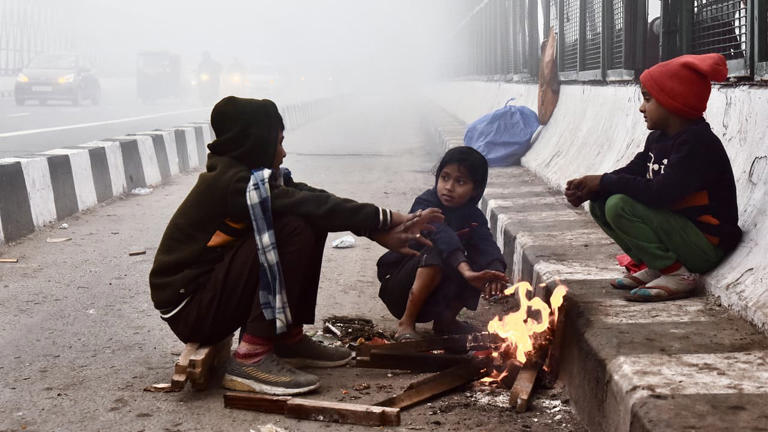
IMD yellow alert has been issued as a cold wave and dense fog conditions affect Delhi-NCR and large parts of North India, disrupting daily life and travel. The weather warning highlights low visibility, falling temperatures, and continued cold stress over the coming days.
The IMD yellow alert comes amid intensifying winter conditions across North India, with Delhi-NCR experiencing dense fog during early morning hours and a sharp dip in minimum temperatures. According to weather assessments, cold air advection from the northwest and calm wind conditions are contributing to prolonged fog spells and chilly nights across the Indo-Gangetic plains.
Cold wave conditions tighten grip on Delhi-NCR
Delhi-NCR has witnessed persistent fog, especially during late night and early morning hours, significantly reducing visibility on major roads and expressways. Minimum temperatures in several parts of Delhi have dropped below normal levels for mid-January, pushing cold wave conditions in isolated pockets.
Residents have reported colder mornings and delayed sunlight, while weather officials note that calm surface winds and high moisture levels are aiding fog formation. The IMD yellow alert for Delhi-NCR signals the possibility of moderate disruptions, urging people to remain cautious, especially during early travel hours.
Cold wave conditions are typically declared when minimum temperatures fall significantly below normal and are accompanied by chilly winds. While extreme conditions are not expected immediately, sustained cold stress remains a concern, particularly for vulnerable populations.
Dense fog disrupts transport across North India
Dense fog across North India has impacted road, rail, and air travel in several states including Uttar Pradesh, Haryana, Punjab, Rajasthan, and parts of Bihar. Visibility levels in some regions dropped to near zero during early hours, leading to delays in train schedules and flight operations.
On highways, traffic movement slowed considerably as drivers reduced speed due to poor visibility. Transport authorities have advised commuters to use fog lights, avoid overspeeding, and follow safety advisories. In the aviation sector, early morning flights faced operational delays as runway visibility dipped below standard thresholds at multiple airports.
Railway operations have also been affected, with several long-distance trains running late due to fog-related safety protocols. These conditions are expected to persist intermittently over the next few days.
IMD yellow alert meaning and regional impact
The IMD yellow alert is a cautionary warning that indicates potentially adverse weather conditions. It advises residents to stay updated with local forecasts and take preventive measures, though it does not signal extreme or emergency-level weather.
In North India, the yellow alert covers cold wave conditions, dense fog, and occasional light winds that could intensify the chill factor. Regions in Punjab and Haryana may see continued cold nights, while eastern Uttar Pradesh and Bihar are likely to experience prolonged fog spells during early mornings.
Weather experts note that western disturbances passing north of the region are influencing temperature patterns, keeping daytime temperatures slightly suppressed and nights colder than usual.
Health and safety concerns during prolonged cold spells
Prolonged cold wave conditions raise health concerns, particularly for elderly individuals, children, and people with respiratory conditions. Exposure to cold temperatures can worsen ailments such as asthma, bronchitis, and joint pain.
Authorities have urged people to limit early morning outdoor activity, wear adequate winter clothing, and ensure proper heating indoors where possible. Homeless shelters and night shelters across urban areas have been advised to remain operational at full capacity during cold nights.
Dense fog also increases the risk of road accidents. Officials recommend delaying non-essential travel during peak fog hours and maintaining safe driving practices.
Weather outlook for the coming days
The IMD has indicated that cold wave and fog conditions may continue over parts of North India for the next few days, with slight variations depending on local wind patterns and moisture levels. Daytime temperatures may gradually rise once fog intensity reduces, but cold nights are expected to persist.
Residents are advised to monitor daily weather bulletins and remain cautious during early morning hours. Any change in alert status will depend on temperature trends and visibility conditions observed across the region.
Takeaways
- IMD has issued a yellow alert for cold wave and dense fog
- Delhi-NCR and several North Indian states are affected
- Transport services face delays due to low visibility
- Cold stress and health risks remain a concern
FAQs
What does an IMD yellow alert indicate?
A yellow alert signals potentially disruptive weather and advises people to stay alert and take basic precautions.
Why is dense fog common in North India during winter?
High moisture, low wind speed, and falling temperatures create ideal conditions for fog formation in winter months.
How long will the cold wave conditions last?
Cold wave and fog are expected to continue for a few days, with gradual improvement depending on weather patterns.
Is travel safe during dense fog conditions?
Travel should be avoided during peak fog hours if possible, and safety guidelines should be strictly followed.