









Now Reading: India Backs Afghanistan’s Plan to Build Dam on Pakistan-Bound River, Raising Strategic Ripples
-
01
India Backs Afghanistan’s Plan to Build Dam on Pakistan-Bound River, Raising Strategic Ripples
India Backs Afghanistan’s Plan to Build Dam on Pakistan-Bound River, Raising Strategic Ripples
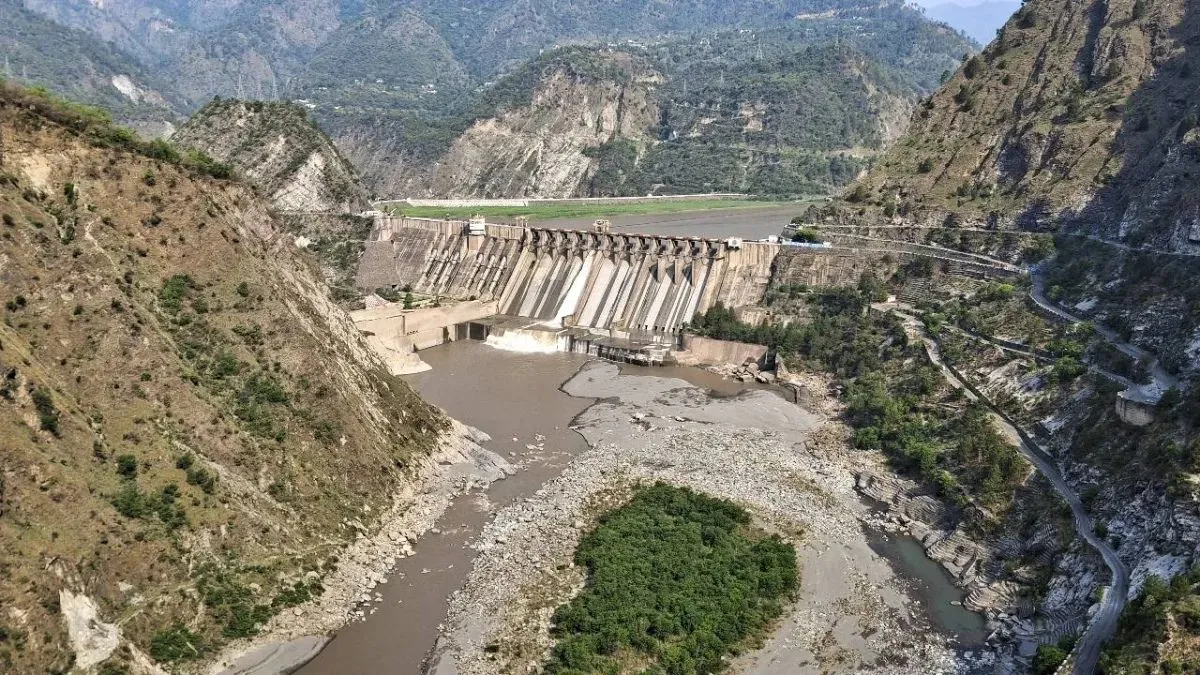
India has extended support to Afghanistan’s proposal to construct a dam on a river flowing into Pakistan, a move seen as both strategic and symbolic. The project, aimed at improving water management and energy generation in Afghanistan, has stirred geopolitical attention, as it could potentially alter water flow towards Pakistan.
India’s stance and regional significance
New Delhi’s backing of Kabul’s dam plan highlights a deepening partnership between the two nations in infrastructure and development cooperation. India views Afghanistan’s initiative as a step toward self-reliance and better resource management, aligning with its broader regional strategy of supporting stability and growth in South Asia.
The river at the heart of the issue
The proposed dam will be built on a river that eventually joins the Indus River system, which flows into Pakistan. Experts note that while the project’s impact on downstream water availability is still under study, Islamabad has raised concerns that it could reduce water inflow and affect agricultural supply in its northern regions.
Strategic and political undertones
For India, the support is not just about hydropower or development—it also strengthens its diplomatic ties with Afghanistan, a relationship it has maintained even after the change in Kabul’s political landscape. Analysts say India’s move indirectly challenges Pakistan’s influence in the region, marking a subtle shift in regional water diplomacy.
Afghanistan’s development perspective
Afghan officials argue that the project is vital for their energy and agricultural needs, emphasizing that the country has long suffered from limited access to its own water resources. The dam would help generate electricity, irrigate farmland, and provide long-term economic benefits, particularly for provinces that rely heavily on seasonal rivers.
Pakistan’s concerns and possible dialogue
Pakistan has expressed unease over the potential reduction in water flow, calling for detailed environmental and hydrological studies before construction begins. Diplomatic experts suggest that dialogue between the three countries—India, Afghanistan, and Pakistan—could help prevent future disputes and promote transparent water-sharing mechanisms.
Conclusion:
India’s support for Afghanistan’s dam project underscores how water resources continue to shape South Asian geopolitics. As the plan moves forward, it will test regional cooperation and trust among neighboring countries. Whether this initiative becomes a model for shared progress or a new point of contention will depend on how wisely the involved nations manage both diplomacy and development.