






Now Reading: India Optimistic on Oman Trade Deal During Modi Visit
-
01
India Optimistic on Oman Trade Deal During Modi Visit
India Optimistic on Oman Trade Deal During Modi Visit
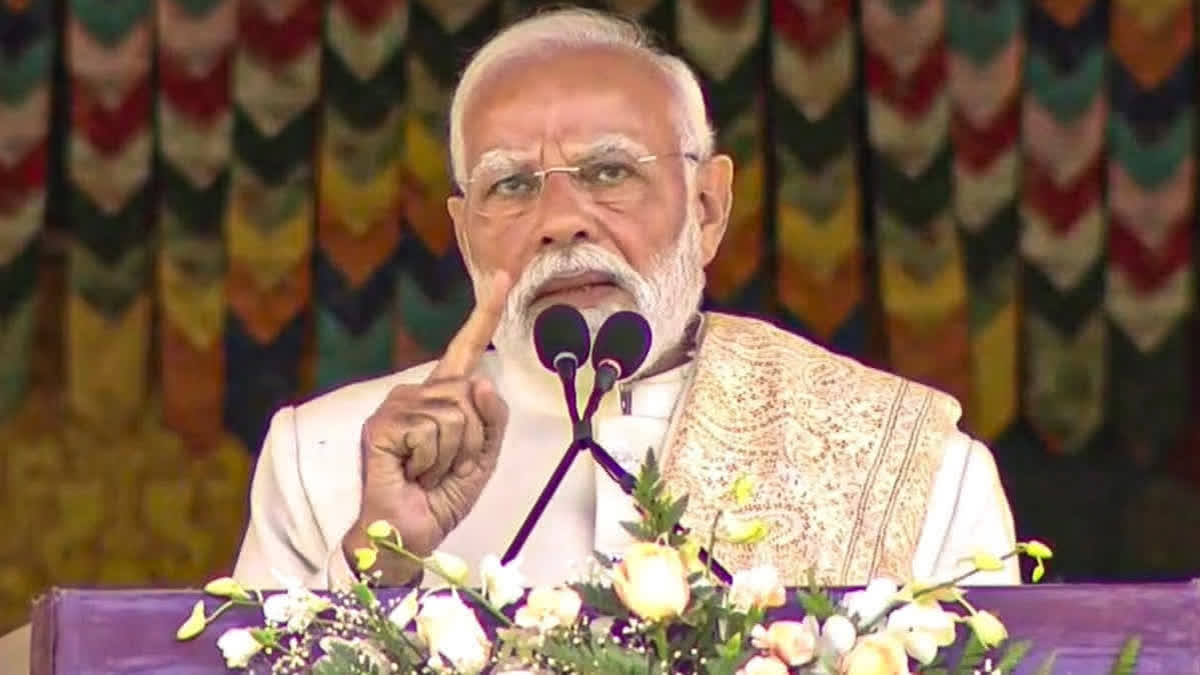
India is optimistic on an Oman trade deal as Prime Minister Narendra Modi’s visit strengthens economic and strategic engagement between the two countries. Talks are focused on expanding trade, investment, and energy cooperation, reflecting growing momentum in India Gulf economic relations.
The India Oman trade deal optimism comes amid renewed diplomatic engagement during Prime Minister Modi’s visit, which is being viewed as a push to upgrade bilateral economic ties. India and Oman already share a long history of trade, energy cooperation, and people to people links. The current discussions aim to modernise that relationship by addressing market access, investment protection, and long term strategic collaboration.
Strategic Context Behind the India Oman Trade Talks
India’s engagement with Oman holds strategic significance due to Oman’s location along key maritime routes and its role as a stable partner in the Gulf region. The Modi visit underscores India’s broader West Asia policy, which prioritises economic partnerships alongside security and diaspora interests.
Trade between India and Oman spans energy imports, minerals, food products, and manufactured goods. India imports crude oil, LNG, and fertiliser related inputs, while exporting engineering goods, textiles, food items, and pharmaceuticals. Officials believe a structured trade agreement could reduce barriers and encourage diversification beyond traditional sectors.
Focus Areas Under Discussion During Modi Visit
During the visit, discussions around the India Oman trade deal have reportedly focused on simplifying customs procedures, improving market access, and enhancing investment flows. Energy cooperation remains central, with both sides exploring long term supply arrangements and joint investments in downstream projects.
Infrastructure, logistics, and ports are also key areas of interest. Oman’s ports offer India access to regional markets, while Indian companies bring technical expertise and capital. Officials see scope for collaboration in renewable energy, green hydrogen, and clean fuel initiatives as both countries pursue energy transition goals.
Trade Deal Potential for Indian Businesses
Indian exporters are watching the India Oman trade deal closely, particularly small and medium enterprises seeking entry into Gulf markets. Reduced tariffs and clearer regulatory frameworks could improve competitiveness for Indian goods in Oman. Sectors such as food processing, healthcare products, construction materials, and information technology services are expected to benefit.
For Indian investors, Oman presents opportunities in logistics, manufacturing, tourism, and energy. The presence of a sizable Indian expatriate community also supports commercial linkages and workforce mobility. Business chambers have highlighted the need for predictable policies to encourage long term investments.
Oman’s Perspective and Economic Priorities
From Oman’s perspective, strengthening trade ties with India aligns with its economic diversification plans. Oman aims to reduce dependence on hydrocarbons by attracting foreign investment and developing sectors such as logistics, tourism, manufacturing, and renewable energy.
India is viewed as a reliable partner with a large market and growing technological capabilities. Omani officials have emphasized mutual benefit and balanced growth in trade relations. The optimism around a trade deal reflects shared interest in building resilient supply chains and expanding non oil economic cooperation.
Role of Regional and Global Trade Dynamics
The India Oman trade deal discussions are taking place against a backdrop of shifting global trade patterns. Supply chain realignments, geopolitical uncertainty, and energy market volatility have encouraged countries to deepen trusted partnerships. For India, engaging Oman strengthens its presence in the Gulf and complements wider trade negotiations with other regional partners.
Oman’s participation in regional trade frameworks adds another layer of opportunity for Indian exporters. Improved access through Oman could facilitate entry into broader Middle East and African markets. Analysts note that such strategic trade corridors are increasingly important for sustaining export growth.
Diplomatic Significance of the Modi Visit
Prime Minister Modi’s visit carries diplomatic weight beyond trade. High level engagement signals political commitment to strengthening ties, which is often critical for advancing complex economic agreements. Previous India Oman cooperation in defence training, maritime security, and cultural exchange has created a foundation of trust.
The current visit is expected to reinforce that trust while aligning economic objectives with strategic priorities. Observers believe that even if a comprehensive trade deal is not immediately finalised, the groundwork laid during the visit could accelerate negotiations in the coming months.
Challenges and Realistic Expectations
Despite optimism, officials acknowledge that trade negotiations require time and detailed technical work. Differences in regulatory standards, tariff structures, and domestic sensitivities must be addressed carefully. Both sides are expected to balance ambition with practicality to ensure that any agreement delivers tangible benefits.
Experts caution against viewing the trade deal as a quick solution to broader economic challenges. However, incremental progress through sector specific agreements and investment frameworks could yield steady gains. The current optimism reflects political will rather than guaranteed outcomes.
What Comes Next After the Visit
Following the Modi visit, working groups and trade officials are likely to continue discussions on specific elements of the proposed India Oman trade deal. Business delegations may play a greater role in identifying priority sectors and addressing operational hurdles.
If negotiations progress smoothly, announcements related to investment commitments or sectoral cooperation could emerge in the near term. For now, the visit has reinforced confidence in the bilateral relationship and signaled intent to elevate economic engagement.
Why This Matters for India’s Trade Strategy
India’s optimism on an Oman trade deal highlights its broader strategy of building diversified trade partnerships. As India seeks to boost exports and attract investment, stable and strategically located partners like Oman play a critical role.
The outcome of these talks will be watched closely by policymakers and businesses alike. A successful agreement could strengthen India’s economic footprint in the Gulf while supporting long term growth objectives.
Takeaways
- India expressed optimism on a potential Oman trade deal during Modi visit
- Talks focus on trade expansion, energy cooperation, and investment
- Both countries see mutual benefit in diversifying economic ties
- Further negotiations are expected after the high level visit
FAQs
Why is Oman important for India’s trade strategy?
Oman offers strategic maritime access, energy resources, and a stable environment for trade and investment.
Does India already trade with Oman?
Yes, both countries have existing trade links, especially in energy, food products, and manufactured goods.
Will a trade deal be signed immediately?
No formal timeline has been announced, and negotiations are expected to continue after the visit.
Which sectors could benefit most from the trade deal?
Energy, logistics, manufacturing, food processing, and services are among the key sectors.