








Now Reading: India US intensify trade deal talks amid tariff disputes
-
01
India US intensify trade deal talks amid tariff disputes
India US intensify trade deal talks amid tariff disputes
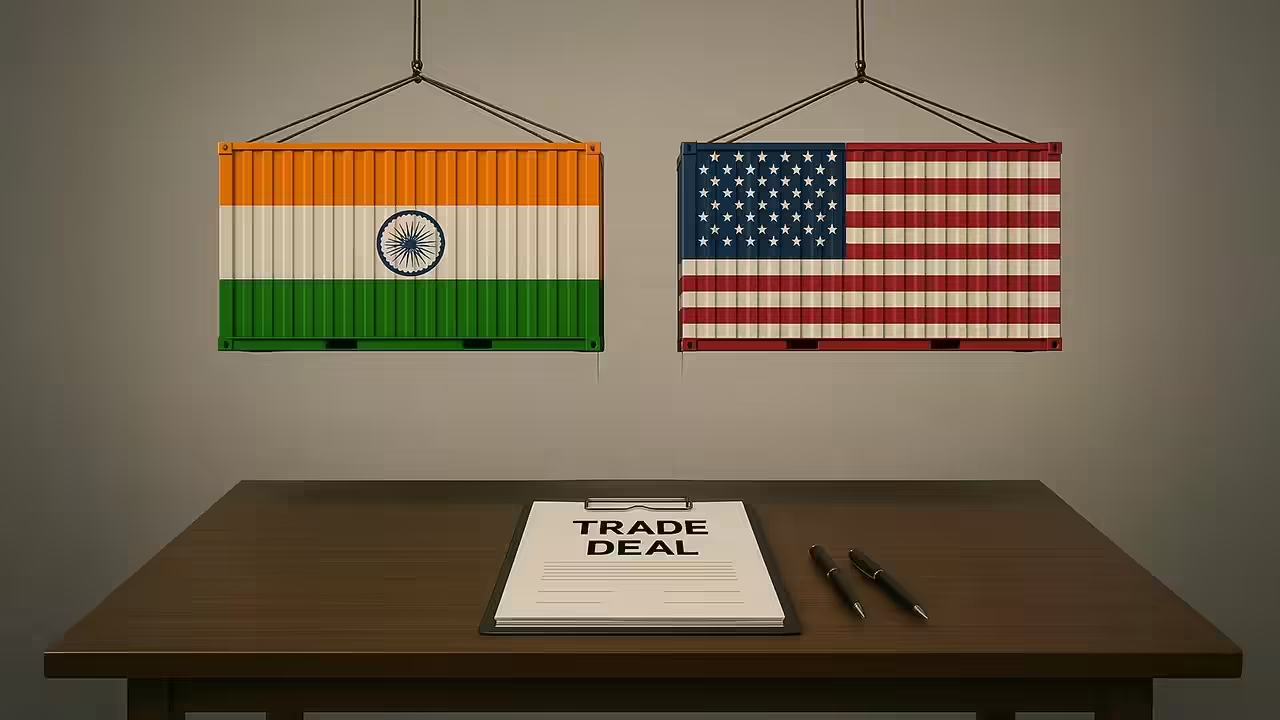
India and the United States have intensified trade deal talks amid tariff disputes, signalling a renewed effort to settle long pending disagreements and unlock a larger bilateral economic framework. The main keyword reflects the core development in this evolving negotiation cycle, which both sides see as strategically important for future market access and technology cooperation.
Negotiation priorities widen as tariff disagreements stay unresolved
Tariff disputes have shaped India US trade relations for several years, covering sectors ranging from agricultural products to technology hardware. Current negotiations focus on restoring preferential market access, resolving friction around duties on key exports and lowering compliance barriers for companies operating in both markets. Officials are prioritising legally sustainable solutions that protect domestic interests while building predictable trade rules. The United States is seeking stronger intellectual property assurances and greater access for farm products, while India is pushing for tariff relief on labour intensive goods and smoother approvals for service sector companies. Both sides recognise that a prolonged delay may affect investment sentiment, particularly in manufacturing and digital infrastructure.
Market access and regulatory alignment feature in negotiation agenda
Market access remains central to the trade talks, especially in sectors where both countries see long term commercial potential. Regulatory alignment discussions include standards for medical devices, data transfer frameworks and rules for digital economy operators. India is highlighting its production linked incentive programmes and seeking clarity on how these incentives fit within accepted global trade norms. US negotiators have raised questions around localisation requirements and certification timelines that impact product launches. Officials on both sides believe that incremental convergence on rules can help industries adapt without increasing compliance costs. Examples include simplified labeling norms, harmonised quality standards and predictable tariff review cycles.
Technology cooperation and digital trade shape strategic contours
Technology cooperation has become a key driver of the negotiations, as both sides aim to strengthen semiconductor supply chains, digital services mobility and cross border data frameworks. Digital trade remains a sensitive chapter because it involves privacy rules, taxation of digital services and restrictions on data storage. India is seeking assurances that domestic data protection laws will not hinder technology partnerships. The United States is focused on creating a stable environment for cloud services, fintech platforms and AI companies. Strategic discussions also cover cybersecurity standards and future oriented sectors like quantum technologies. These elements indicate that the trade deal is designed to support long term technological collaboration, not just tariff adjustments.
Geopolitical context increases urgency of trade alignment
Geopolitical shifts, particularly in the Indo Pacific, are influencing the pace and tone of the negotiation. Officials view deeper trade cooperation as necessary for supply chain diversification and resilience. Both India and the United States want to reduce dependence on China in critical sectors, including electronics, rare earth materials and pharmaceutical ingredients. A stronger bilateral trade architecture is seen as a way to encourage joint investments in manufacturing hubs and technology parks. Diplomatic analysts note that both countries are trying to anchor their economic engagement around mutually beneficial rules rather than time bound concessions. This approach increases the significance of the ongoing negotiation cycle.
Domestic industry reactions show mixed optimism
Industry bodies in India and the United States have responded cautiously but positively to the renewed engagement. Indian exporters expect that tariff relief could support labor intensive sectors such as textiles, leather goods and engineering products. Technology firms are monitoring regulatory proposals that influence cross border services and intellectual property protections. US agricultural and medical device lobbies are pressing for expanded market entry and lower duties. While expectations differ, most stakeholders want a predictable and transparent framework that reduces friction and gives companies a clear sense of long term policy direction. These reactions are shaping negotiators’ considerations as they refine the scope of the final agreement.
Implementation challenges anticipated after deal conclusion
Even if a trade deal is finalised, implementation will require coordination across multiple agencies. Experts point out that customs procedures, compliance audits and certification processes will need updating. India will have to streamline documentation systems and expand digital clearance windows to meet agreed standards. The United States may need to adjust import review mechanisms to incorporate new categories of Indian exports. Monitoring committees are expected to track progress and address emerging disputes quickly. Smooth implementation is essential to ensure that businesses benefit from negotiated outcomes without lengthy delays.
Takeaways
Tariff disputes remain central but both sides want a long term framework
Market access and regulatory alignment are shaping the negotiation agenda
Technology cooperation and digital trade have become high priority areas
Implementation mechanisms will determine the real impact of the final deal
FAQ
Why have India and the United States intensified trade talks now
Both countries want to resolve tariff disputes, strengthen supply chains and create a broader economic cooperation framework that supports long term strategic goals.
Which sectors are most influenced by the current negotiation
Agriculture, technology, medical devices, textiles and digital services are among the sectors directly affected by tariff structures and market access rules.
Will the trade deal immediately remove all tariff disagreements
Not necessarily. Most proposals involve phased adjustments, regulatory reforms and compliance harmonisation. Some disputes may remain under further review.
How will businesses benefit from a successful agreement
Companies can expect clearer rules, reduced compliance friction, predictable tariff reviews and improved access to each other’s markets, supporting investment and expansion.