






Now Reading: India-US Trade Talks Intensify as Tariff Deadline Nears, Key Demands on the Table
-
01
India-US Trade Talks Intensify as Tariff Deadline Nears, Key Demands on the Table
India-US Trade Talks Intensify as Tariff Deadline Nears, Key Demands on the Table
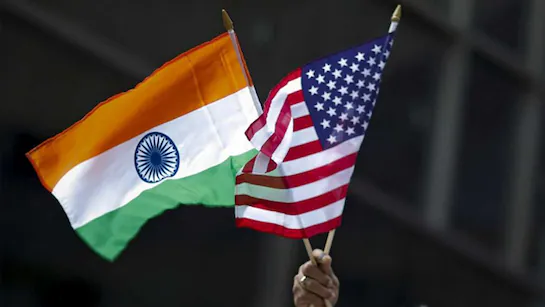
India and the United States have entered the sixth consecutive day of high-level trade negotiations, with rising urgency as former US President Donald Trump’s proposed tariff deadlines loom large. The talks come at a critical time, as both nations look to address long-standing trade concerns, avoid friction, and unlock mutual benefits in sectors like agriculture, digital services, and manufacturing.
What India Wants from the Deal
India is actively pushing for relief from high US tariffs on key exports such as steel, aluminium, and textiles. These industries, especially in Tier 2 cities like Ludhiana, Tirupur, and Jamshedpur, have been struggling with declining competitiveness due to increased import duties.
New Delhi is also seeking clearer terms around digital trade, particularly on data flow and localisation rules, which are becoming increasingly important for India’s growing tech and startup ecosystem. Additionally, India is urging the US to restore Generalized System of Preferences (GSP) benefits—an earlier scheme that allowed duty-free access to several Indian goods in the US market.
The US Perspective
From Washington’s side, the US is reportedly pressing for better market access for its agricultural goods, medical devices, and e-commerce platforms. The American delegation is also focused on reducing regulatory barriers that US companies face while entering or operating in India.
While both sides have signalled willingness to cooperate, the presence of political timelines, upcoming elections, and policy sensitivities have added complexity to the negotiations.
Why This Matters for Tier 2 India
Export-focused businesses in Tier 2 cities stand to gain or lose significantly based on the outcomes of this deal. Regions like Panipat (textiles), Rajkot (engineering goods), and Moradabad (handicrafts) rely heavily on exports to the US.
A favourable deal could reduce cost burdens and revive growth in these manufacturing hubs. On the flip side, if negotiations fall through and new tariffs are imposed, small and medium enterprises may find it hard to stay afloat in a competitive global market.
A Narrow Window for Resolution
Time is running out, with Trump’s tariff-related deadlines drawing closer. If additional duties are implemented, both countries could see strained ties and disrupted trade flows, at least in the short term. That puts extra pressure on negotiators to finalise a balanced deal that protects domestic interests while strengthening bilateral cooperation.
Conclusion
The ongoing India-US trade talks represent more than just policy adjustments—they hold real consequences for businesses, jobs, and economic stability on both sides. As both nations weigh their options, the outcome could shape not only current trade dynamics but also future geopolitical alignments. For India’s Tier 2 cities and export sectors, all eyes remain fixed on what comes next.