









Now Reading: India’s rupee nears all time low as analysts track RBI moves
-
01
India’s rupee nears all time low as analysts track RBI moves
India’s rupee nears all time low as analysts track RBI moves
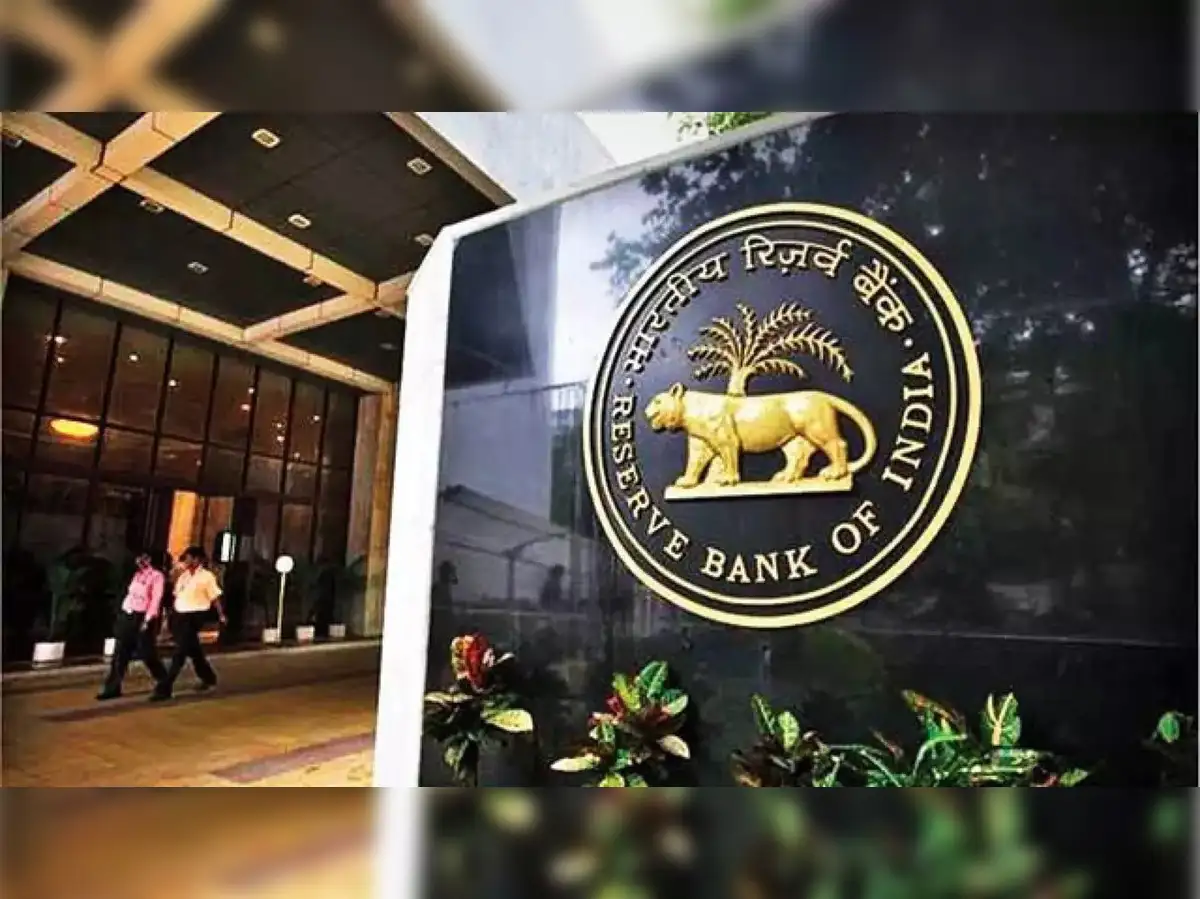
India’s rupee near all time low concerns intensified today as the currency hovered close to its weakest levels against the US dollar. The main keyword reflects rising market anxiety as analysts assess whether the Reserve Bank of India will intervene more actively to stabilise volatility ahead of key macro events.
The rupee’s pressure is linked to global dollar strength, high US yields and firm crude prices. While domestic fundamentals remain stable, external forces have created sustained downward pressure, prompting close monitoring of RBI’s strategy through spot intervention, forward market activity and liquidity management.
Global market pressures weigh on rupee sentiment
The latest currency movement is largely driven by global financial conditions. The US dollar has gained strength due to persistent inflation concerns and expectations that major central banks, including the US Federal Reserve, may delay rate cuts. Higher American yields increase investor preference for dollar assets, putting most emerging market currencies under strain.
Crude oil prices have contributed to the rupee’s pressure. India remains heavily dependent on energy imports, and rising crude prices widen the trade deficit, increasing dollar demand from refiners. Even without a surge in crude, consistent firmness in prices keeps import bills elevated.
Foreign portfolio outflows have added to the drag. Although equity markets remain strong, debt flows have been mixed due to global uncertainty. This selective outflow puts incremental pressure on the rupee, especially when combined with higher demand for dollars in the banking system.
RBI intervention patterns closely watched by currency traders
Analysts tracking RBI moves note that the central bank has been active in both spot and forward markets to smooth volatility. The intervention is aimed at preventing disorderly movement rather than defending any specific level. Traders observed occasional dollar supply from the central bank on days of sharp depreciation, helping cushion intraday swings.
The RBI also uses forward books and swap windows to manage liquidity and influence market expectations. By balancing intervention across multiple markets, the central bank preserves reserves while preventing speculative positioning against the rupee.
India’s foreign exchange reserves remain strong relative to import needs. This gives policymakers flexibility to intervene when volatility spikes. Analysts believe RBI will maintain its current strategy of intervening tactically while allowing the rupee to adjust gradually in line with global trends.
Domestic macro indicators remain stable despite currency weakness
The rupee’s weakness does not reflect domestic economic stress. India’s GDP growth remains one of the strongest among major economies, inflation is broadly within the tolerance band, and industrial output shows resilience across key sectors such as manufacturing, construction and services.
The current account deficit remains manageable due to strong services exports, particularly in IT, consulting and global capability centres. Remittances continue to support foreign exchange inflows, and corporate India maintains healthy balance sheets with stable external debt levels.
This macro stability helps ensure that currency depreciation is viewed as an external pressure event rather than a domestic imbalance. As long as fundamentals remain strong, analysts expect the rupee to stabilise once global headwinds ease.
Importers and exporters adjust strategies amid currency volatility
Import heavy sectors are recalibrating exposure due to rising dollar costs. Oil marketing companies, electronics importers, pharma firms and manufacturers dependent on intermediate goods are increasing hedging activity. Higher hedging pushes up demand for forward cover, influencing currency premiums.
Exporters in IT, textiles, chemicals and auto components, however, benefit marginally from a weaker rupee. Companies receiving dollar revenues gain pricing advantage, although this is moderated by global demand uncertainty. To manage volatility, exporters are using short tenor hedges rather than committing to long horizon contracts.
Small and medium enterprises face more challenges due to limited access to sophisticated hedging tools. Industry bodies are urging banks to widen simplified hedging products for MSMEs to reduce exposure to unpredictable currency swings.
Market outlook hinges on global data and RBI communication
Currency strategists say near term movements will depend on US inflation data, Federal Reserve commentary and crude price direction. A drop in US yields could ease pressure on the rupee, while a surge in energy prices could accelerate depreciation.
All eyes are on upcoming RBI communication. Markets expect the central bank to reinforce its stance on containing volatility and maintaining adequate liquidity. Clear messaging can stabilise expectations and prevent speculative positioning.
Analysts also highlight that currency weakness may not immediately impact inflation unless depreciation continues sharply. The central bank will track imported inflation risk closely as it plans future policy decisions.
Takeaways
The rupee is trading near all time low levels due to global dollar strength and high US yields.
RBI intervention through spot and forward markets is helping contain volatility.
Domestic macro fundamentals remain stable, limiting long term risk from currency pressure.
Market expectations now depend on global cues, crude prices and RBI communication.
FAQs
Why is the rupee weakening despite strong domestic growth?
Because external factors like a strong US dollar, high American yields and firm crude prices are exerting more pressure than domestic indicators.
Is the RBI likely to intervene further?
Yes, the RBI is expected to continue smoothing volatility through calibrated intervention without defending any specific level.
Will a weaker rupee increase inflation?
Imported inflation may rise if depreciation persists, especially for fuel and key commodities, but current levels remain manageable.
Can the rupee recover soon?
Recovery depends on global conditions. If US yields fall or risk appetite improves, the rupee can stabilise and regain some strength.