





Now Reading: India’s Smartphone Market Sees Year-End Surge in Sales
-
01
India’s Smartphone Market Sees Year-End Surge in Sales
India’s Smartphone Market Sees Year-End Surge in Sales
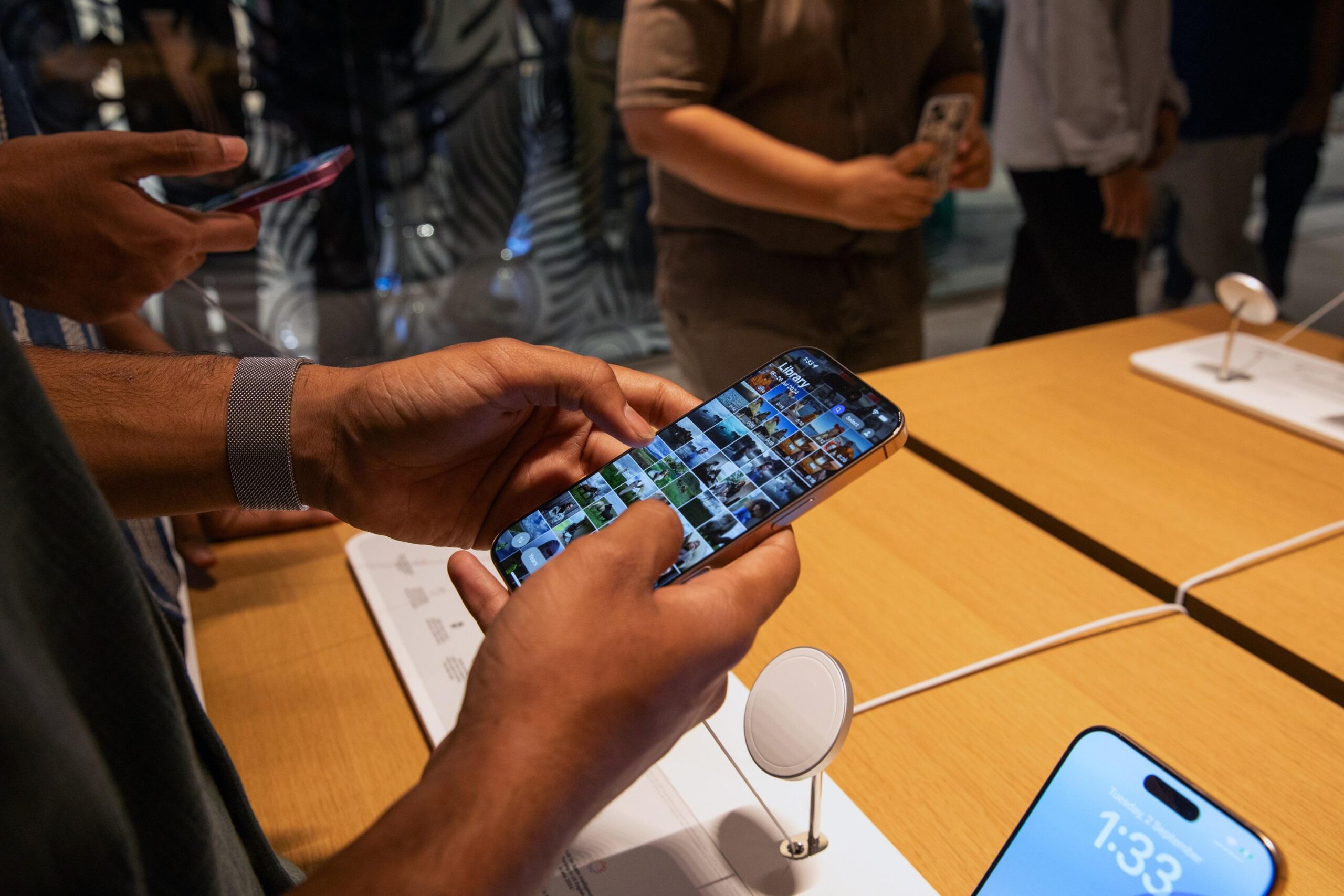
India’s smartphone market has seen a clear year-end surge in sales as festive demand, aggressive discounts, and new model launches drove consumer purchases. Both online and offline channels recorded strong momentum, reinforcing India’s position as one of the world’s most competitive smartphone markets.
India’s smartphone market has seen a year-end surge in sales, driven by festive season demand, aggressive pricing strategies, and rising consumer upgrades. As the calendar year closes, smartphone brands, retailers, and e-commerce platforms are reporting higher volumes compared to previous quarters. The surge reflects a mix of replacement demand, first-time buyers in smaller cities, and renewed consumer confidence after a period of cautious spending.
Festive Season Boosts Smartphone Sales Momentum
The year-end sales spike in India’s smartphone market is closely tied to the festive season cycle. Major festivals traditionally trigger higher consumer spending, and smartphones remain one of the most sought-after electronics purchases. Attractive bank offers, exchange deals, and no-cost EMI schemes have played a significant role in converting browsing interest into actual sales.
Retailers report that mid-range smartphones have seen the strongest traction, especially devices priced between Rs 10,000 and Rs 25,000. Consumers in this segment are prioritising better cameras, battery life, and 5G readiness, making value-for-money models the biggest beneficiaries of festive promotions.
5G Adoption Driving Upgrade Demand
One of the biggest contributors to the year-end surge is rising 5G adoption. With wider rollout of 5G services across urban and semi-urban India, many users are upgrading from older 4G devices. Smartphone brands have responded by expanding affordable 5G portfolios, making next-generation connectivity accessible to a broader audience.
This shift has accelerated replacement cycles, especially among younger users and professionals. Even budget-conscious buyers are opting for entry-level 5G smartphones to future-proof their purchases, boosting overall shipment volumes during the year-end period.
Online Versus Offline Sales Trends
India’s smartphone market continues to see a healthy balance between online and offline sales. E-commerce platforms witnessed high traffic during flash sales and festive campaigns, supported by deep discounts and bundled offers. Online channels remain particularly strong in metro cities and among price-sensitive buyers.
At the same time, offline retail stores have regained momentum. Many consumers prefer in-store experiences for hands-on product checks, instant delivery, and personalised assistance. Smaller towns and tier-two cities have contributed significantly to offline sales growth, reflecting deeper market penetration beyond major urban centres.
Premium Segment Shows Signs of Recovery
While mid-range devices dominate volumes, the premium smartphone segment has also shown signs of recovery toward year-end. Consumers with higher disposable incomes are upgrading to flagship models, driven by improved camera technology, performance upgrades, and ecosystem integration.
Premium brands have benefited from targeted financing options and trade-in programs that reduce the upfront cost of high-end devices. This trend indicates a gradual return of discretionary spending among urban consumers, supporting overall market value growth even if unit growth remains concentrated in lower price bands.
Inventory Correction and New Launch Strategy
The year-end surge has also been aided by better inventory management. Earlier in the year, smartphone brands faced excess stock due to uneven demand. As year-end approached, companies adjusted production and launch schedules to align with consumer buying patterns.
Several brands timed new launches just ahead of festive and year-end sales, creating urgency and excitement among buyers. Limited-period offers and bundled accessories further boosted conversions, helping brands clear inventory while maintaining pricing discipline.
Impact on Domestic Manufacturing and Supply Chain
Strong year-end sales have positive implications for domestic smartphone manufacturing under the Make in India framework. Higher demand supports local assembly units, component suppliers, and logistics providers. India’s role as a manufacturing hub for both domestic consumption and exports continues to expand, supported by scale and policy incentives.
Stable supply chains and improved availability of components have also ensured fewer disruptions compared to earlier years. This operational stability has allowed brands to meet demand surges without significant delays or shortages.
Outlook for India’s Smartphone Market
The year-end surge suggests that India’s smartphone market is entering a more stable growth phase. While overall growth may remain moderate, demand is becoming more predictable, driven by upgrades, 5G expansion, and deeper rural penetration.
Industry observers expect early next year to see some seasonal slowdown, followed by renewed activity around new launches and promotional events. The long-term outlook remains positive, with India continuing to be a key battleground for global smartphone brands.
Takeaways
India’s smartphone market recorded strong year-end sales momentum
Festive demand and 5G adoption drove upgrade and replacement purchases
Mid-range smartphones dominated volumes across online and offline channels
Improved inventory planning helped brands capitalise on consumer demand
FAQs
Why did smartphone sales rise at year-end in India?
Festive offers, discounts, financing options, and new launches encouraged higher consumer spending.
Which smartphone segment performed the best?
The mid-range segment saw the highest demand, followed by a gradual recovery in premium devices.
Is 5G influencing buying decisions?
Yes, many users are upgrading specifically to access 5G services and future-ready features.
Will this sales momentum continue next year?
Short-term moderation is expected, but long-term growth remains strong due to upgrades and wider market reach.