







Now Reading: IndiGo Flight Cancellations Continue at Delhi, Bengaluru Airports Today
-
01
IndiGo Flight Cancellations Continue at Delhi, Bengaluru Airports Today
IndiGo Flight Cancellations Continue at Delhi, Bengaluru Airports Today
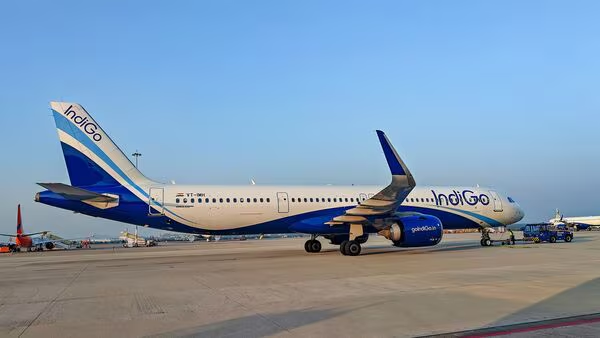
IndiGo flight cancellations at Delhi and Bengaluru airports continued today, disrupting travel plans for thousands of passengers. Operational challenges, weather related factors, and air traffic congestion have contributed to ongoing delays and cancellations, prompting advisories from the airline and airport authorities.
The IndiGo flight cancellations issue has emerged as a significant concern for domestic air travellers, particularly at Indira Gandhi International Airport in Delhi and Kempegowda International Airport in Bengaluru. Passengers reported last minute cancellations, extended waiting times, and difficulty securing alternative connections, especially during peak travel hours. The situation has added pressure on airline staff and airport operations as the winter travel season intensifies.
What Is Causing IndiGo Flight Cancellations Today
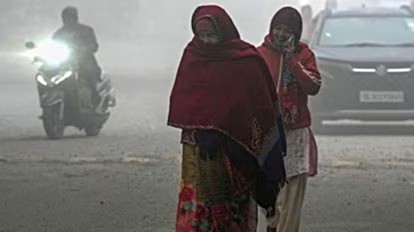
IndiGo has cited a combination of operational and external factors behind the cancellations. Dense fog conditions during early morning and late evening hours in Delhi have affected flight schedules, while Bengaluru has faced air traffic congestion and runway related operational constraints. These factors have reduced turnaround efficiency, leading to cascading delays across the network.
Aircraft rotation challenges have also played a role. When flights are delayed at major hubs, subsequent departures across other cities are impacted. Aviation experts note that low visibility operations require additional spacing between aircraft movements, limiting the number of takeoffs and landings that can be safely managed during foggy conditions.
Impact on Passengers at Delhi and Bengaluru Airports
Passengers at both airports experienced significant inconvenience as IndiGo flight cancellations persisted. Many travellers were seen waiting at terminals for rebooking assistance, while others opted to cancel their journeys altogether. Business travellers and those with connecting flights were among the worst affected, as missed connections resulted in extended travel disruptions.
Airlines typically offer rebooking or refunds in such situations, but high demand has made immediate alternatives limited. Hotel accommodations near airports saw increased demand from stranded passengers, particularly in Delhi where fog related disruptions extended into the night. Social media platforms reflected growing frustration as travellers shared their experiences and sought clarity on flight status updates.
Airline Response and Passenger Advisory
IndiGo issued advisories urging passengers to check flight status before heading to the airport. The airline stated that teams were working to stabilize operations and minimize further disruptions. Passengers were encouraged to use online check in and self service rebooking options where available to reduce congestion at airport counters.
Airport authorities also advised travellers to arrive well in advance of scheduled departure times due to longer security and operational processes during periods of disruption. Officials emphasized that safety remains the priority, especially during low visibility conditions that demand stricter operational protocols.
How Winter Conditions Affect Aviation Operations
Winter weather significantly impacts aviation in northern India. Fog reduces runway visibility, requiring pilots and air traffic controllers to follow low visibility procedures. These procedures limit aircraft movements and increase the time required between successive flights. As a result, even a short period of fog can disrupt schedules for several hours.
In Bengaluru, while fog is less common, operational delays can arise from congestion and infrastructure constraints during high traffic periods. The airport handles a large volume of domestic flights, and any disruption at major hubs like Delhi can ripple through Bengaluru’s schedule due to interconnected flight rotations.
Broader Impact on the Aviation Network
The continued IndiGo flight cancellations highlight the vulnerability of India’s aviation network during peak seasons. IndiGo, as the country’s largest carrier by market share, operates a dense network with high aircraft utilization. While this model supports affordability and connectivity, it leaves limited buffer during widespread disruptions.
Aviation analysts note that such situations are not uncommon during winter months. However, the scale of impact depends on weather severity, airport capacity, and coordination between airlines and air traffic management. Enhanced forecasting and staggered scheduling are often suggested as long term mitigation measures.
What Passengers Can Do to Reduce Disruption
Travellers are advised to monitor flight updates closely through official airline channels. Opting for mid day flights, when weather conditions are typically clearer, may reduce the risk of delays or cancellations. Flexible tickets and travel insurance can also help mitigate financial losses during unexpected disruptions.
Passengers with urgent travel needs are encouraged to contact airline support early to explore alternative routes or dates. Keeping essential items in cabin baggage is recommended in case of extended waiting periods or overnight delays.
Outlook for the Next Few Days
Operational stability is expected to improve once weather conditions normalize and backlog aircraft are repositioned. However, aviation officials caution that winter disruptions may continue intermittently over the coming weeks, especially in northern India. Airlines are expected to maintain flexible schedules and contingency planning during this period.
For now, IndiGo flight cancellations at Delhi and Bengaluru airports remain a developing situation. Passengers are advised to stay informed and plan travel with additional buffer time until operations return to normal levels.
Takeaways
- IndiGo flight cancellations continued today at Delhi and Bengaluru airports
- Fog, congestion, and operational constraints are key contributing factors
- Passengers faced delays, missed connections, and rebooking challenges
- Travelers are advised to monitor updates and plan with extra buffer time
FAQs
Why are IndiGo flights being cancelled today?
Cancellations are mainly due to fog related low visibility in Delhi and operational congestion affecting aircraft schedules.
Are passengers eligible for refunds or rebooking?
Yes, airlines generally offer refunds or rebooking options during cancellations, subject to fare conditions.
Is Bengaluru airport affected by fog?
Fog is less common in Bengaluru, but congestion and network disruptions can still impact flight operations.
Will the situation improve soon?
Improvement depends on weather conditions and operational recovery, though intermittent disruptions may continue during winter.