








Now Reading: Irish YouTuber Sparks Controversy After Offering Salt to ‘Cannibal Tribe’
-
01
Irish YouTuber Sparks Controversy After Offering Salt to ‘Cannibal Tribe’
Irish YouTuber Sparks Controversy After Offering Salt to ‘Cannibal Tribe’
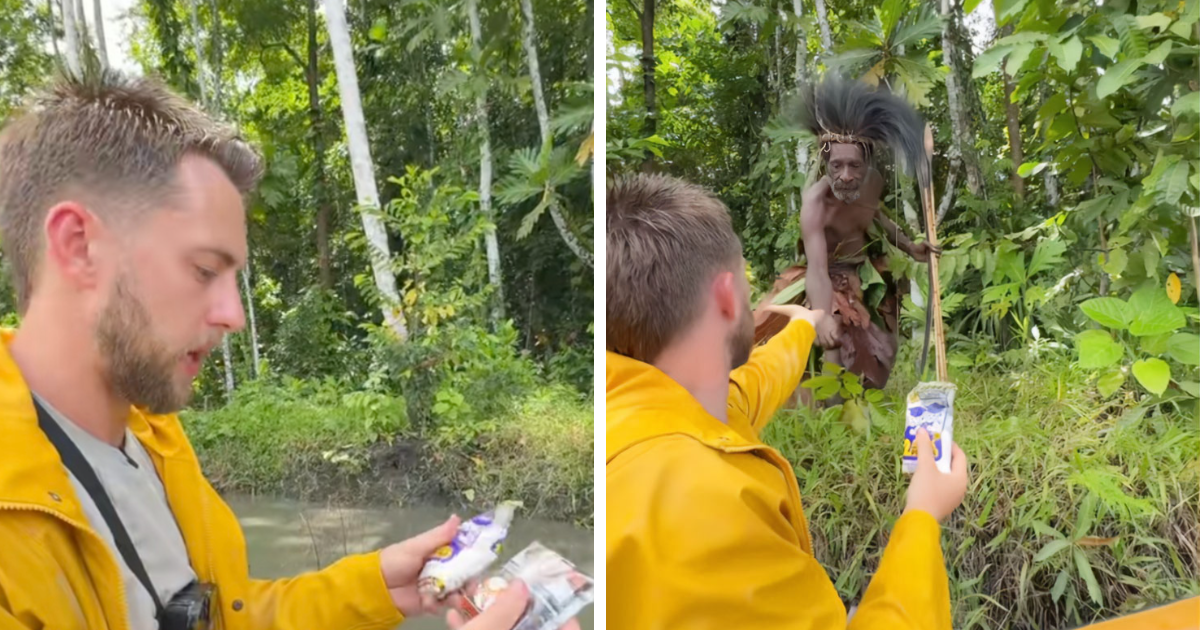
A clip involving Irish YouTuber Dara Tah has stirred a wave of backlash online after he was seen offering salt as a peace gesture to a group labelled by some as a “cannibal tribe.” The post, which intended to capture cultural curiosity, instead sparked a fierce debate over ethics, sensitivity, and how Western content creators engage with lesser-known communities.
Dara Tah’s video shows him approaching the group with a humble gift—salt—purportedly to ease tensions. The presentation, however, quickly raised red flags. Critics argue that reducing an entire community to sensational stereotypes—such as calling them cannibals—falls far short of respectful cultural exchange.
In the age of viral videos, digital creators often walk a thin line between storytelling and sensationalism. For viewers, especially in India’s Tier 2 cities where access to diverse cultures is mostly through the internet, such content holds weight. But when the portrayal veers into caricature or exploitation, it risks reinforcing harmful biases instead of fostering understanding.
This incident underlines how global audiences consume and interpret cultural narratives. Glimpse-driven videos can leave strong impressions—educated or ignorant. For Indian viewers, especially those from non-metros, this serves as a reminder: not everything celebrating ‘the other’ is genuinely respectful. Digging behind the frames matters.
A growing chorus of voices is urging creators like Dara Tah to pause and reflect before featuring real communities, especially those labelled as “exotic” or “primitive.” Ethical storytelling means seeking permission, understanding context, and portraying people with dignity—even if it means resisting clicks.
What started as a seemingly curious video turned into a lesson in cultural responsibility. Viral content may sparkle for a moment, but its impact—especially on impressionable audiences—can last longer. For creators and consumers alike, this moment underscores a vital point: cultural curiosity deserves context, empathy, and respect—always.