





Now Reading: LPG Price Stays at ₹852.50 for 14.2 kg Cylinder Despite Global Crude Volatility
-
01
LPG Price Stays at ₹852.50 for 14.2 kg Cylinder Despite Global Crude Volatility
LPG Price Stays at ₹852.50 for 14.2 kg Cylinder Despite Global Crude Volatility
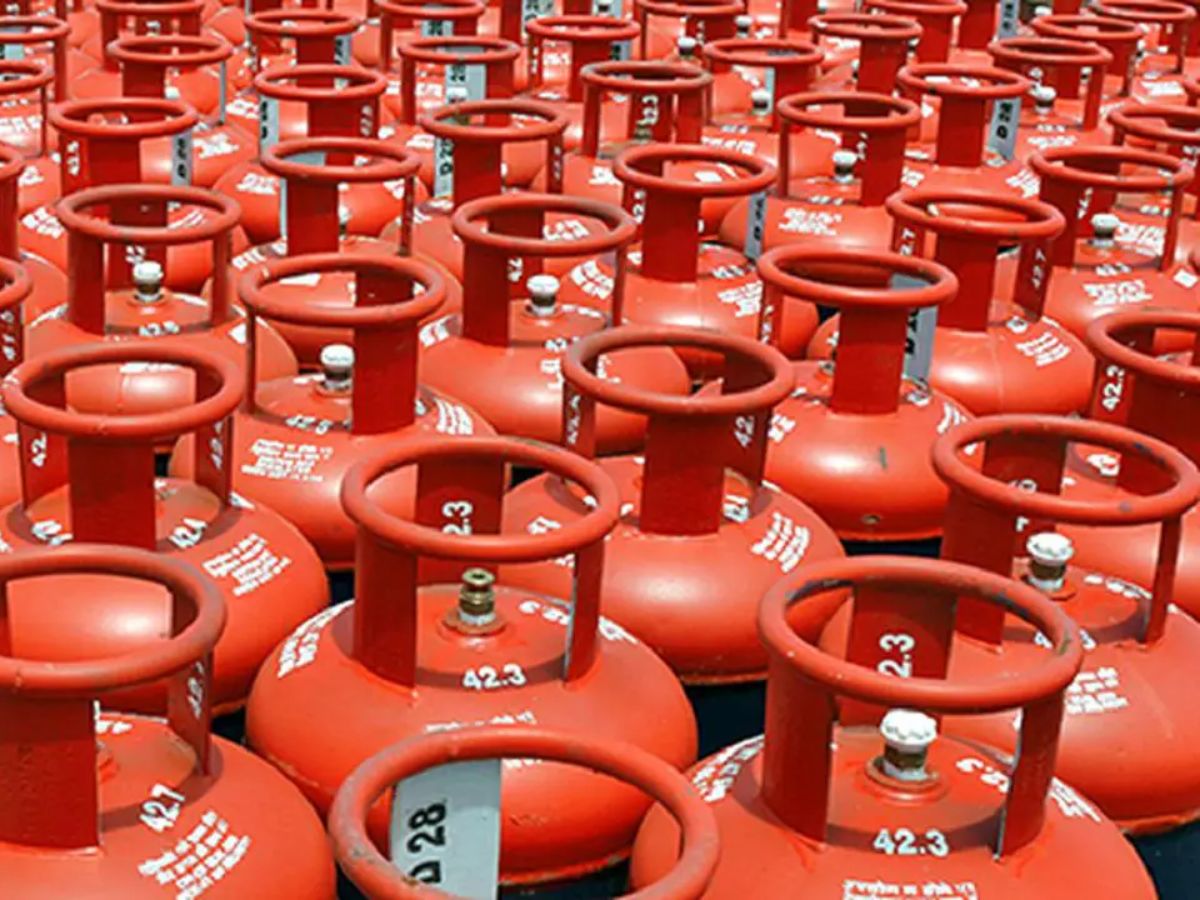
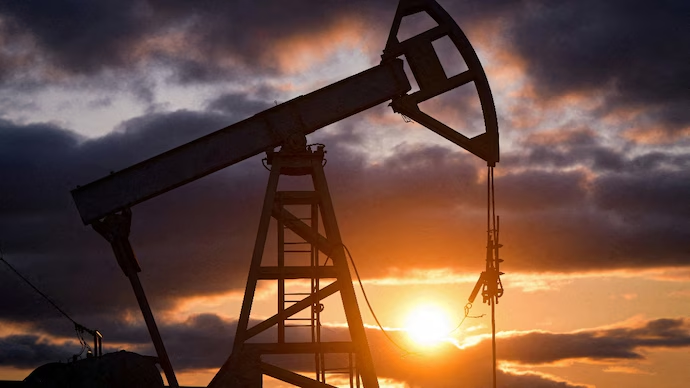
Despite the volatility in global crude oil prices, the price of Liquefied Petroleum Gas (LPG) in India has remained steady at ₹852.50 for a 14.2 kg cylinder. This price stability is significant for millions of households that rely on LPG as a primary source of cooking fuel. As global oil prices fluctuate, the government’s ability to maintain steady domestic LPG prices has become a subject of much discussion and interest.
LPG Pricing in India: A Complex Equation
The price of LPG in India is influenced by multiple factors, including international crude oil prices, exchange rates, and domestic supply-demand dynamics. While global crude prices often fluctuate due to geopolitical events, changes in oil production levels, or shifts in market demand, LPG prices in India have historically been more stable, largely due to government interventions.
The current price of ₹852.50 per 14.2 kg cylinder is a reflection of the Indian government’s effort to shield consumers from the full impact of international price fluctuations. While crude prices have seen substantial changes over the past few months, the government has absorbed much of the impact by adjusting subsidies and managing the domestic supply chain effectively. This intervention aims to reduce the burden on households, especially lower-income groups that are most vulnerable to rising fuel costs.
Why LPG Prices Remain Stable Amidst Crude Volatility
LPG prices typically follow the trends set by international crude oil prices, but this link is not always direct. The government’s pricing mechanism, along with state-run oil companies, plays a critical role in controlling the retail price of LPG. Even when global crude prices rise or fall sharply, the government uses subsidies, adjustments in taxes, and other mechanisms to ensure that domestic prices remain stable.
A key factor in the maintenance of stable LPG prices is the domestic supply chain. India is a major importer of crude oil, but it has also been increasing its capacity to refine oil and distribute LPG. The efficiency of the distribution network and the government’s ability to maintain strategic reserves of LPG are crucial in ensuring that there are no immediate shortages, which could lead to price hikes.
Impact on Indian Consumers: How Price Stability Affects Households
The price of LPG directly impacts millions of households across India. For many families, LPG is the primary cooking fuel, and any increase in its price has a direct effect on household budgets. In a country where a significant portion of the population still lives in rural areas, maintaining affordable LPG prices is crucial for ensuring equitable access to energy.
In recent years, the government’s Ujjwala Yojana program, which provides subsidized LPG connections to low-income households, has furthered the cause of energy access in rural areas. The stability in LPG prices ensures that families who have recently transitioned to LPG from traditional fuels like firewood are not burdened with price hikes. It also helps in reducing the country’s dependence on biomass fuels, which are harmful to health and the environment.
Global Oil Volatility and India’s Energy Strategy
While India’s current LPG prices remain stable, the global energy market is in a state of flux. Geopolitical tensions, changes in oil production quotas by OPEC, and shifting demand from major economies all contribute to volatility in crude oil prices. This creates uncertainty in energy markets, which can impact prices across multiple sectors, including LPG.
India’s long-term energy strategy includes efforts to reduce its reliance on imported oil by diversifying its energy mix. The country is focusing on renewable energy sources, such as solar and wind power, while also enhancing domestic oil and gas production. Despite these efforts, LPG remains an essential part of the energy equation, and its pricing will continue to be sensitive to global crude oil trends.
Takeaways
- The price of a 14.2 kg LPG cylinder remains steady at ₹852.50 despite global crude oil price fluctuations.
- Government interventions, such as subsidies and pricing controls, play a key role in maintaining price stability.
- LPG price stability benefits millions of households, particularly those in rural areas, by preventing sudden cost increases.
- India is working to reduce reliance on imported oil, but LPG remains a critical part of its energy landscape.
FAQs
Q: Why has LPG price remained unchanged at ₹852.50 despite global crude price volatility?
A: The government has absorbed much of the volatility through subsidies and adjustments in domestic supply chains, ensuring that retail prices remain stable for consumers.
Q: How does global crude price impact LPG prices in India?
A: While LPG prices are linked to global crude trends, domestic interventions and subsidies help to stabilize retail prices, preventing sharp increases in fuel costs.
Q: How do LPG price changes affect Indian households?
A: As LPG is a primary cooking fuel in many households, price increases can put a strain on budgets, especially for low-income and rural families. Stable prices help maintain energy affordability.
Q: What is India’s long-term strategy for energy security?
A: India is focusing on reducing its dependence on imported oil by investing in renewable energy sources like solar and wind, as well as increasing domestic production of oil and gas.