


Now Reading: Maharashtra Civic Polls Underway Across BMC, Pune, 28 Bodies
-
01
Maharashtra Civic Polls Underway Across BMC, Pune, 28 Bodies
Maharashtra Civic Polls Underway Across BMC, Pune, 28 Bodies
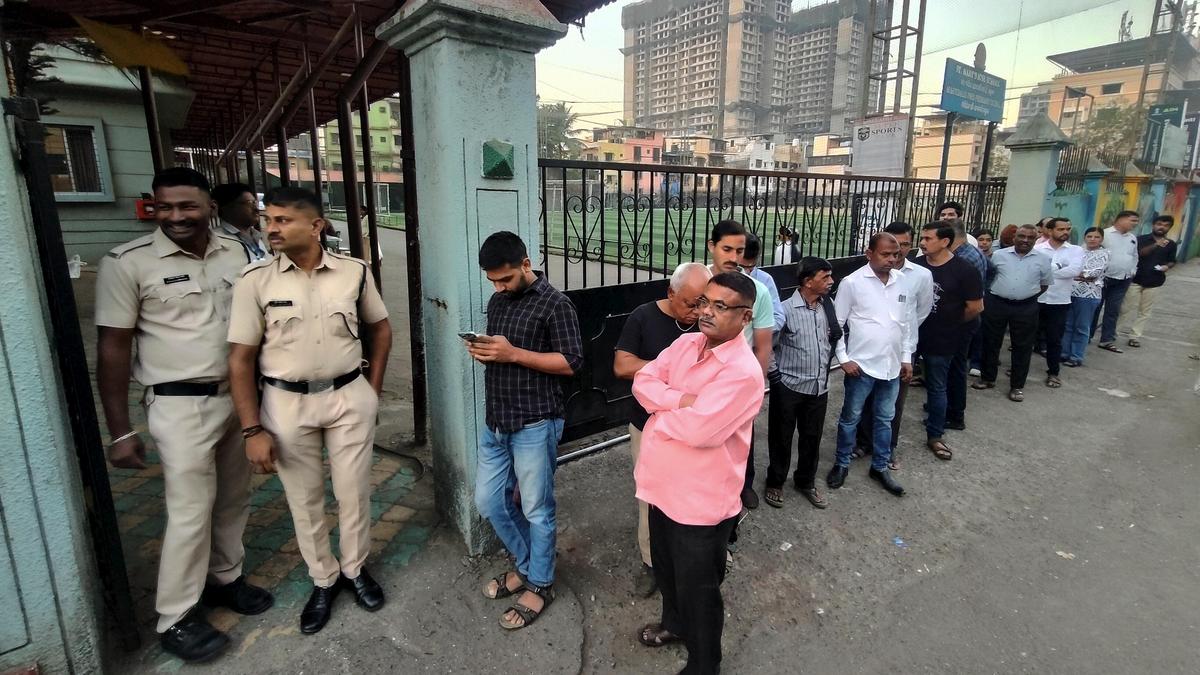
Maharashtra civic polls are underway today across the Brihanmumbai Municipal Corporation, Pune Municipal Corporation and 28 other municipal bodies, marking one of the largest local elections in the state. Voting began amid tight security, administrative preparedness, and high political stakes.
Maharashtra civic polls see voting across urban local bodies
The Maharashtra civic polls today cover major urban centres, including Mumbai, Pune, Pimpri-Chinchwad, Nashik, Amravati, and several smaller municipal councils and nagar panchayats. Voting started early in the morning with polling stations opening on schedule, and election officials reporting orderly queues in most urban wards.
These elections are crucial because many municipal bodies have been functioning under administrators after elected councils completed their terms. The outcome will determine local governance priorities on infrastructure, sanitation, water supply, transport, and urban planning for the next five years.
The Brihanmumbai Municipal Corporation election is particularly significant, given its status as India’s richest civic body with an annual budget running into tens of thousands of crores. Control of the BMC has long been viewed as politically strategic due to its financial power and influence over Mumbai’s civic administration.
Political contest intensifies in Mumbai and Pune
In Mumbai, the civic battle is being closely watched as major political parties test their organisational strength at the grassroots level. Ward-level contests have turned competitive, with local issues such as road conditions, flooding during monsoons, waste management, and redevelopment projects dominating voter conversations.
Pune’s municipal election also carries weight, especially as the city has seen rapid urban expansion and rising concerns around traffic congestion, water availability, and IT-driven population growth. Candidates across parties have focused on promises related to public transport upgrades, metro connectivity, and environmental sustainability.
Across other municipal bodies, including those in Vidarbha and Marathwada regions, local development issues have shaped campaigns. These include drinking water shortages, employment opportunities, and pending civic infrastructure works.
Security arrangements and polling process details
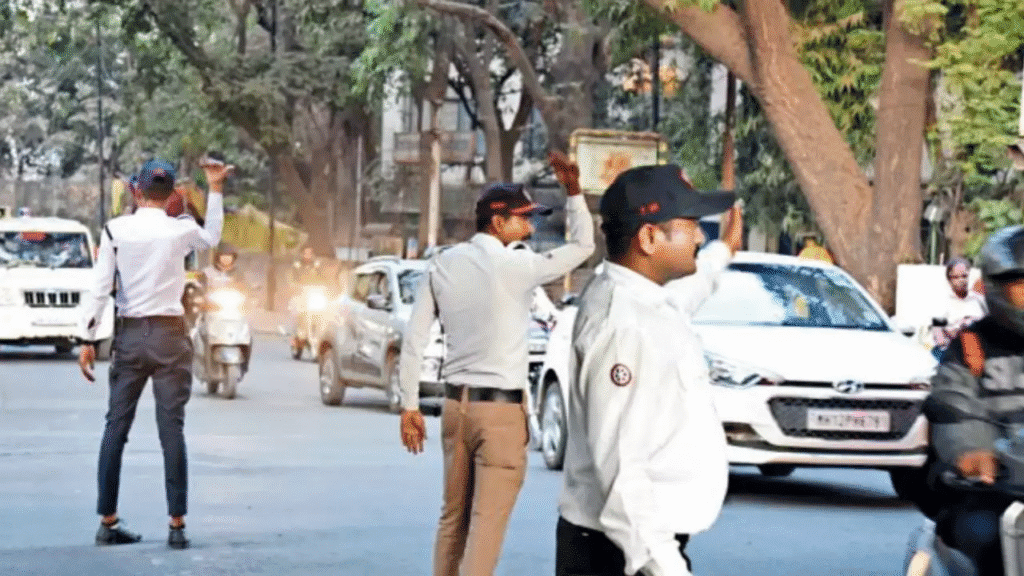
Security has been tightened across polling locations, especially in sensitive wards and high-density urban pockets. Police personnel, home guards, and quick response teams have been deployed to prevent any untoward incidents. Election officials confirmed that webcasting and surveillance measures are in place at select booths to ensure transparency.
The polling process follows standard civic election protocols, with electronic voting machines used in most municipal corporations. Voters are required to carry valid identification, and special arrangements have been made for senior citizens and persons with disabilities in many areas.
Officials from the state election machinery stated that contingency plans are ready to address any disruptions, including weather-related issues or technical glitches. Initial reports suggest a smooth start with moderate voter turnout during early hours.
Voter turnout trends and public response
Early voting trends indicate steady participation in metropolitan regions, with residential areas showing better turnout compared to commercial zones. Historically, civic elections tend to see lower turnout than state or national polls, but awareness campaigns and local issues appear to have driven interest this time.
In smaller municipal councils, voter participation is expected to be comparatively higher, as local leadership often has a direct impact on daily civic services. Many voters cited road repairs, water supply reliability, and cleanliness as primary reasons for casting their vote.
Polling will continue through the day, with final turnout figures expected by evening. Counting of votes is scheduled as per the election calendar announced earlier by the state election authority.
Why these civic polls matter for Maharashtra politics
The Maharashtra civic polls are being viewed as a political indicator ahead of future state-level contests. Performance in urban local bodies often reflects party strength, cadre mobilisation, and voter sentiment at the grassroots.
For ruling and opposition parties alike, results from key corporations like Mumbai and Pune will shape political narratives and leadership strategies. Beyond party politics, the elections will also determine how effectively urban challenges are addressed in one of India’s most urbanised states.
The elected councils will take charge at a time when cities are grappling with post-pandemic recovery, climate resilience, and growing infrastructure demands.
Takeaways
- Voting is underway across BMC, Pune, and 28 other municipal bodies today
- These polls will decide urban governance for the next five years
- Mumbai and Pune elections carry major political and financial significance
- Results are seen as an indicator of broader political momentum in Maharashtra
FAQs
What are Maharashtra civic polls?
They are local body elections held to elect councillors for municipal corporations, councils, and nagar panchayats across the state.
Why is the BMC election important?
The Brihanmumbai Municipal Corporation controls one of India’s largest civic budgets and oversees governance in Mumbai, making it politically and administratively powerful.
Which cities are voting today?
Major cities include Mumbai, Pune, Pimpri-Chinchwad, Nashik, Amravati, along with 28 other municipal bodies across Maharashtra.
When will results be announced?
Vote counting will take place as per the official schedule, with results expected shortly after counting begins.