





Now Reading: Mumbai Hostage Crisis: 17 Children Rescued After Kidnapper Shot Dead
-
01
Mumbai Hostage Crisis: 17 Children Rescued After Kidnapper Shot Dead
Mumbai Hostage Crisis: 17 Children Rescued After Kidnapper Shot Dead
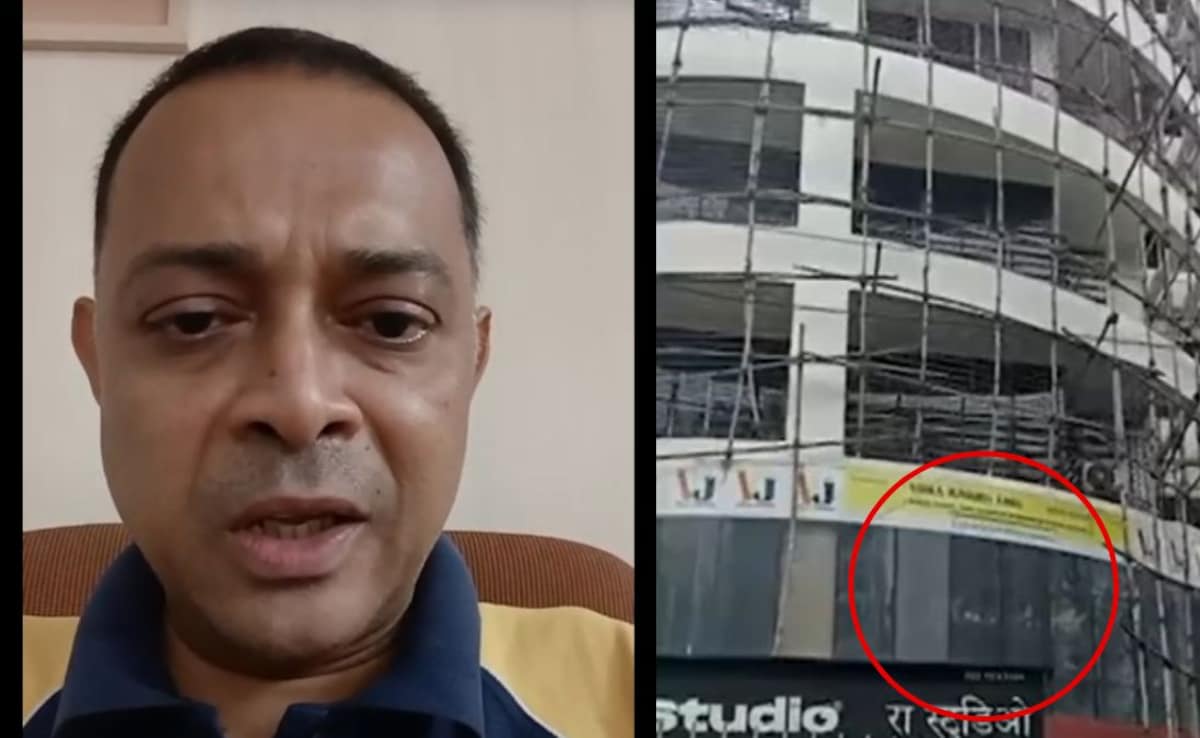
A hostage situation in Mumbai’s Powai area ended with dramatic rescue when police freed 17 children and two adults from a studio. The captor, identified as Rohit Arya, was fatally wounded during police action after he allegedly fired at officers. The incident highlights both swift law-enforcement response and deeper questions about motives and safety in urban India.
Scene of the crisis
In the afternoon, authorities received a distress call about a man holding children and adults captive in a studio in the Mahavir Classic building, Powai. The children had reportedly attended the studio for an audition when the situation escalated. Police negotiation teams, quick-response squads and the fire brigade converged at the site. The captor released a video message declaring he was not a terrorist but wanted answers. While talks continued, the situation became volatile when shots were fired.
The rescue operation
Negotiations eventually failed and the tactical team forced entry through a bathroom window. During the entry, the captor opened fire and police returned fire in a defensive response. The children and the two adults were safely evacuated and taken to hospital; the captor sustained a bullet injury and was pronounced dead shortly afterwards. Officials say the priority throughout was protecting the hostages’ lives.
Motives and local angle
Investigations suggest the captor had longstanding grievances with the state government, including alleged unpaid dues for work done on a school cleanliness initiative. He claimed he wanted a conversation, not money, and released a video threatening drastic action if his demands weren’t met. For smaller towns and cities where such grievance-actions are less publicised, the incident serves as a stark reminder of how personal disputes can escalate drastically in urban settings.
Impact on safety perception in Tier-2 and beyond
While this incident occurred in Mumbai, it carries relevance for smaller cities too. Studios, auditions and ventures into media and production attract young people from various regions. Parents, guardians and local institutions in Tier-2 towns should note how easily situations can turn dangerous when oversight is weak. The event underscores the need for clear safety protocols, better coordination with authorities and awareness about audition-related risks.
Challenge for authorities and community
For law-enforcement, the incident underscores both the effectiveness and the challenge of responding swiftly in high-risk scenarios. For communities, the challenge lies in recognising early warning signs—be it messages from individuals claiming injustice, gatherings involving children in unverified auditions, or grievances left unaddressed. Outreach, local awareness programmes and communication channels between institutions and parents may help prevent future episodes.
Conclusion:
The Powai studio hostage case ended without loss of life among the children—a successful outcome in an alarming situation. But it leaves open questions about underlying grievances, the safety of children in informal settings and how public institutions manage such risks. In India’s fast-changing urban and semi-urban landscapes, vigilance and preventive measures matter as much as reactive response