


Now Reading: Mumbai local taxi drivers protest surge pricing by app-aggregators ahead of election season
-
01
Mumbai local taxi drivers protest surge pricing by app-aggregators ahead of election season
Mumbai local taxi drivers protest surge pricing by app-aggregators ahead of election season

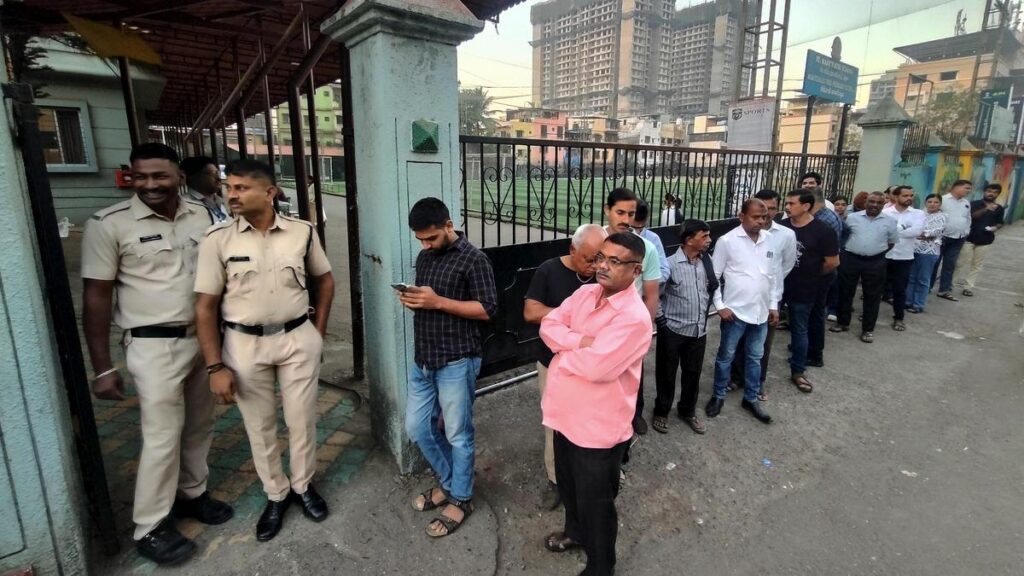
Mumbai taxi drivers have staged protests against app-based ride-hailing platforms, citing unfair surge pricing practices that disproportionately affect both drivers and passengers ahead of the election season. The demonstrations highlight ongoing tensions between traditional transport operators and digital aggregators in India’s largest metropolitan city.
Reasons behind the protests
Local taxi drivers allege that surge pricing by app-based aggregators creates unpredictable earnings and undermines trust with passengers. Drivers claim that the algorithm-driven fare hikes are often arbitrary, leaving them with reduced incentives during peak hours while passengers face sudden fare spikes. Taxi unions argue that while aggregators profit from these surges, on-ground drivers bear the brunt of fluctuating demand and high operational costs, including fuel, maintenance, and city taxes.
Impact on passengers and the transport ecosystem
Mumbai commuters frequently rely on taxis for last-mile connectivity, and surge pricing creates uncertainty in travel expenses. With election rallies, political events, and increased voter mobility during this period, passenger demand is high, intensifying the effect of dynamic pricing. Commuters have reported paying two to three times their usual fare during peak periods, triggering frustration and complaints. The protests have drawn public attention to the need for transparent fare mechanisms and regulatory oversight.
Regulatory and policy considerations
Authorities are monitoring the situation as city transport regulators and the Ministry of Road Transport and Highways review fare policies for app-based aggregators. Potential interventions include fare caps during peak hours, mandatory disclosure of dynamic pricing algorithms, and minimum driver remuneration standards. Experts note that balancing driver livelihoods, passenger affordability, and platform profitability will be crucial to maintain sustainable urban transport.
Drivers’ demands and strike actions
Taxi unions have demanded fixed minimum fares, greater transparency in fare calculation, and a reduction in commission fees charged by aggregators. Protests included sit-ins at major taxi stands and symbolic demonstrations at aggregator offices. Drivers have warned that continued inaction could lead to prolonged strikes, potentially disrupting urban mobility in Mumbai, especially during high-demand periods like the upcoming elections. Union representatives have also called for dialogue with platform executives to negotiate fairer compensation models.
Technology and platform perspective
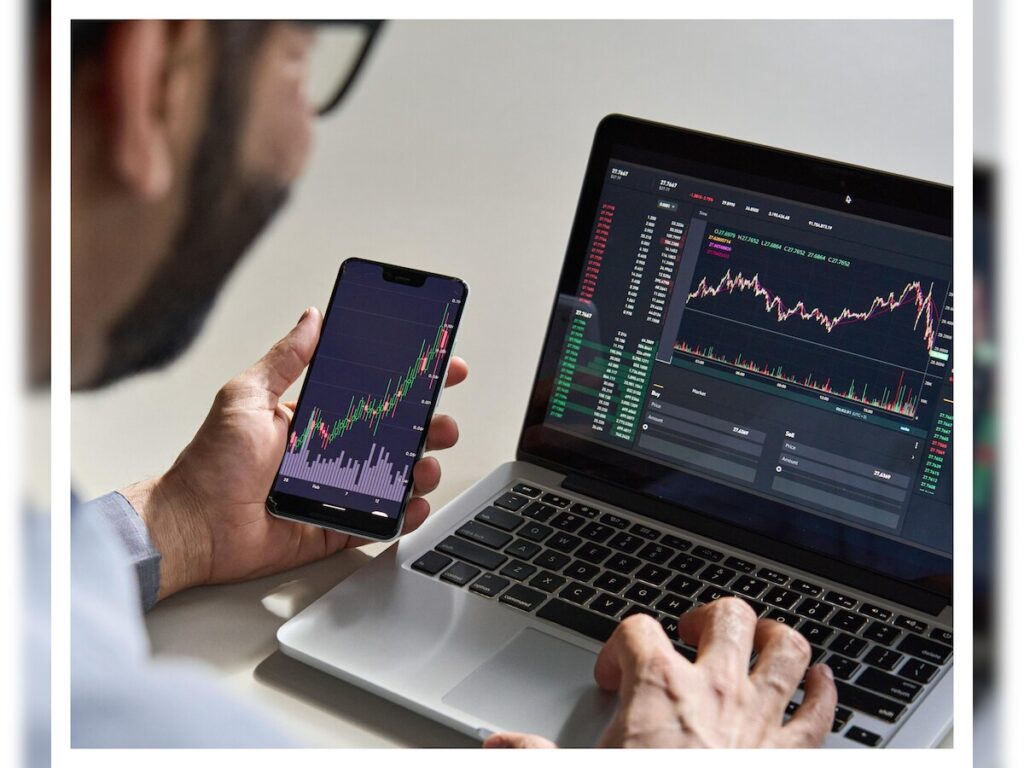
App-based aggregators argue that surge pricing ensures ride availability during high-demand periods by incentivizing more drivers to operate. Algorithms dynamically adjust fares based on real-time demand, traffic patterns, and driver availability. Aggregator officials maintain that the system benefits both drivers and passengers, but acknowledge the need for improved transparency and communication regarding fare surges, especially in sensitive periods such as elections when public sentiment is heightened.
Looking ahead and urban transport implications
The protests underscore larger challenges in India’s rapidly digitizing urban transport sector. Policymakers and platform operators may need to introduce clearer fare rules, equitable commission structures, and driver engagement programs to prevent recurring conflicts. For passengers, education about surge pricing mechanisms and advance fare notifications could improve trust. The situation in Mumbai could serve as a model for other metropolitan areas navigating the balance between technology-driven convenience and fair labor practices.
Takeaways
- Mumbai taxi drivers protest unfair surge pricing by app-based aggregators ahead of elections.
- Drivers demand fixed minimum fares, reduced commission fees, and transparent fare algorithms.
- Surge pricing impacts passengers, driver earnings, and urban transport reliability.
- Regulators may intervene to ensure fair pricing, transparency, and sustainable driver income.
FAQs
Q1: Why are Mumbai taxi drivers protesting app-based surge pricing?
They argue that surge pricing reduces driver earnings unpredictably and creates higher costs for passengers, especially during peak demand periods.
Q2: How do app-based aggregators justify surge pricing?
Platforms claim surge pricing incentivizes more drivers to operate during high-demand periods and ensures ride availability.
Q3: What actions are taxi unions demanding from aggregators?
Unions want fixed minimum fares, lower commission fees, and transparency in fare calculation algorithms.
Q4: Could government regulations impact this situation?
Yes, regulators may implement fare caps, mandate transparency, or introduce minimum earnings guarantees to balance driver and passenger interests.