




Now Reading: Nagpur Cold Wave Intensifies As Minimum Temperature Drops Further
-
01
Nagpur Cold Wave Intensifies As Minimum Temperature Drops Further
Nagpur Cold Wave Intensifies As Minimum Temperature Drops Further
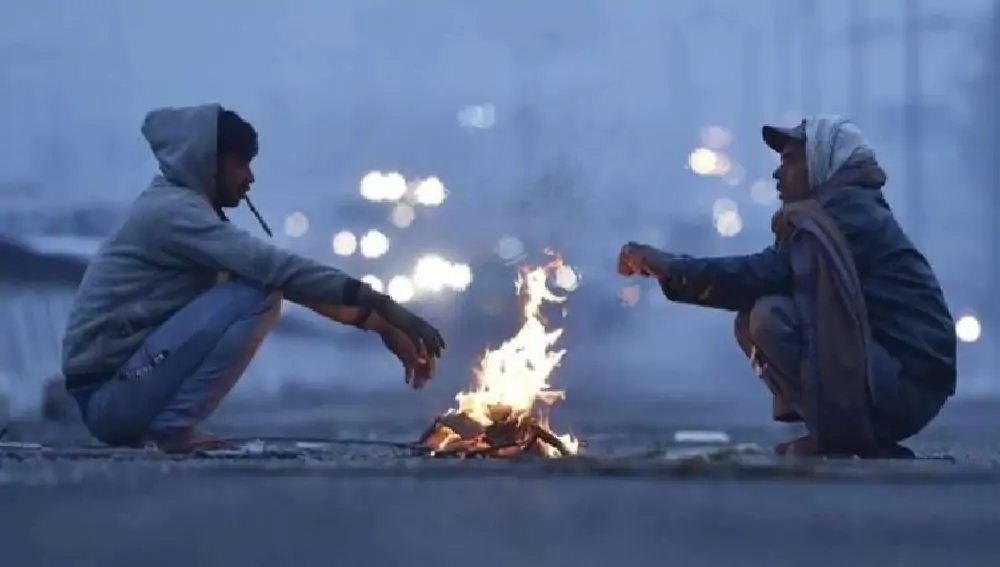
Nagpur cold wave conditions have intensified as minimum temperatures dropped further, pushing the city into one of its coldest phases this winter. The sharp dip has affected daily routines, health preparedness, and early morning mobility across urban and rural pockets of the region.
Minimum Temperature Fall Signals Strong Cold Wave Phase
Nagpur cold wave conditions strengthened after the city recorded a noticeable fall in minimum temperature over consecutive nights. Weather patterns indicate the presence of dry northerly winds and clear skies, allowing rapid heat loss after sunset. This combination has led to colder mornings, with temperatures staying below seasonal averages.
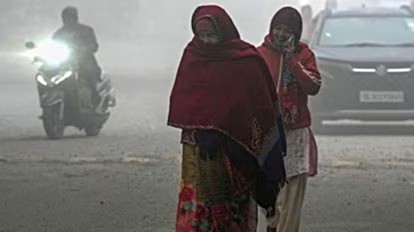
Residents reported dense chill during early hours, especially between 5 am and 8 am. Open areas, low-lying localities, and outskirts experienced sharper cold compared to central parts of the city. The temperature drop marks a clear shift from mild winter conditions to a more intense cold wave phase.
Weather Systems Driving Nagpur Winter Chill
The current Nagpur cold wave is linked to broader weather systems affecting central India. Cold air intrusion from northern regions, coupled with reduced cloud cover, has amplified nighttime cooling. These conditions typically emerge in late December and early January but have shown stronger intensity this season.
Meteorological trends suggest that calm wind conditions during night hours are further contributing to lower minimum temperatures. Without cloud insulation, surface heat escapes quickly, making mornings colder. Such weather patterns are common during peak winter spells but require monitoring due to their impact on vulnerable populations.
Impact On Daily Life And Morning Routines
The intensifying Nagpur cold wave has altered daily schedules across the city. Morning walkers, sanitation workers, delivery staff, and school-going children are facing increased exposure to cold conditions. Many residents have adjusted routines by delaying outdoor activities until sunlight strengthens.
Public spaces such as markets and bus stops saw reduced early footfall. Tea stalls and winter clothing vendors reported increased demand, reflecting behavioral shifts during colder days. The cold wave has also influenced water usage patterns, with colder tap water adding to discomfort during morning hours.
Health Advisory Concerns During Cold Wave
Health experts caution that cold wave conditions can elevate risks of respiratory infections, joint stiffness, and cardiovascular stress, especially among elderly individuals and those with pre-existing conditions. The Nagpur cold wave has already prompted local hospitals to advise precautions such as layered clothing and limited exposure to early morning cold.
Sudden temperature drops can strain the immune system. Doctors recommend maintaining indoor warmth, consuming warm fluids, and avoiding unnecessary outdoor exposure during peak cold hours. Children and senior citizens are advised to wear adequate winter clothing even indoors during early mornings.
Agriculture And Rural Areas Feel Stronger Chill
Rural belts surrounding Nagpur are experiencing a sharper impact of the cold wave. Open fields and farmland cool faster at night, leading to colder dawn temperatures than urban centers. Farmers report increased dew formation, which can affect certain crops during prolonged cold spells.
While rabi crops generally tolerate winter conditions, extended cold waves can slow growth rates in sensitive vegetables. Farmers are advised to monitor crops closely and use protective measures where necessary. Livestock owners are also taking steps to shield animals from cold stress during night hours.
Outlook For Coming Days In Nagpur
Weather indicators suggest that the Nagpur cold wave may persist for a few more days, with minimum temperatures likely to remain on the lower side. Any significant relief would depend on changes in wind patterns or cloud cover, neither of which is expected immediately.
Daytime temperatures, however, continue to stay comfortable due to clear skies and ample sunshine. This sharp contrast between cold mornings and mild afternoons is characteristic of winter in central India but can feel more pronounced during intense cold wave phases.
Takeaways
- Nagpur cold wave has intensified with further drop in minimum temperature
- Clear skies and cold air intrusion are driving the winter chill
- Morning routines and outdoor activities are being affected
- Health precautions are advised for elderly and vulnerable groups
FAQs
How cold has Nagpur become during the current cold wave?
Minimum temperatures have dropped below seasonal averages, making mornings noticeably colder across the city and nearby rural areas.
How long is the cold wave expected to last?
The cold wave is likely to persist for a few days, depending on changes in wind flow and cloud cover.
Who is most affected by cold wave conditions?
Elderly people, children, and those with respiratory or heart conditions are more vulnerable during cold spells.
Does the cold wave impact agriculture near Nagpur?
Yes, rural areas feel stronger cold, which can slow growth in sensitive crops and increase dew-related stress.