
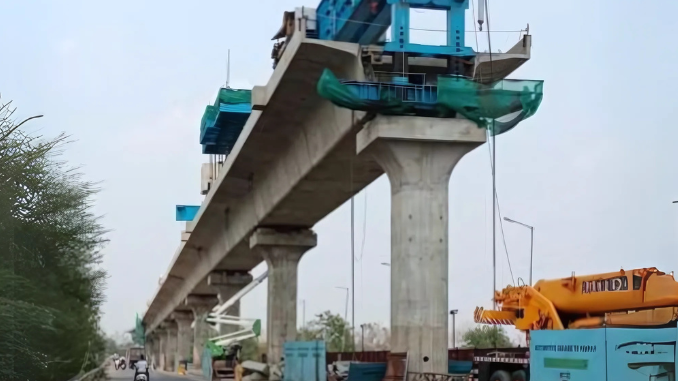






Now Reading: Nagpur Metro Phase Expansion Gets Fresh Push From State Government
-
01
Nagpur Metro Phase Expansion Gets Fresh Push From State Government
Nagpur Metro Phase Expansion Gets Fresh Push From State Government
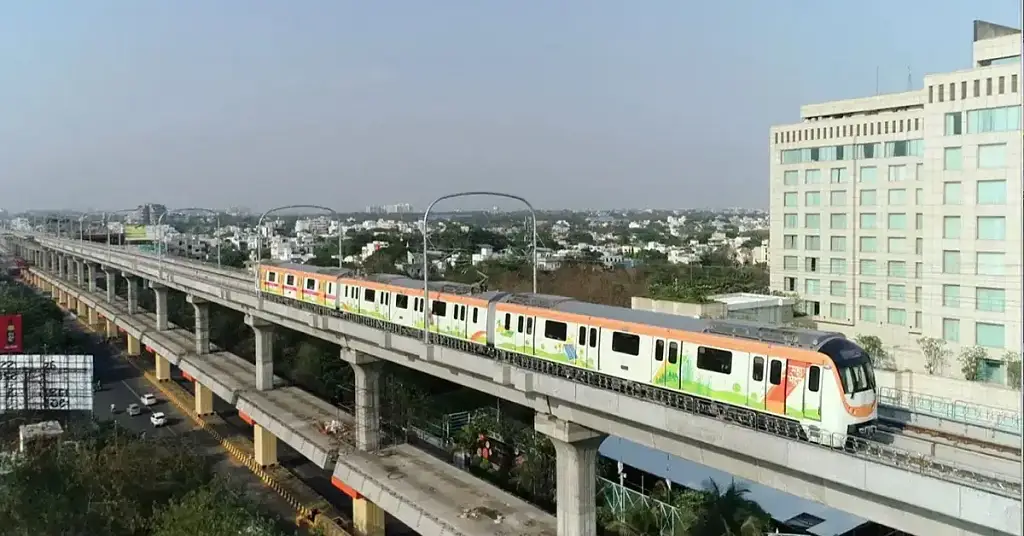
Nagpur Metro phase expansion has received a fresh push from the state government, signalling renewed momentum for the city’s urban transport roadmap. The move is aimed at improving last-mile connectivity, easing traffic congestion, and supporting Nagpur’s long-term growth as a regional economic hub.
The development comes as state authorities review stalled and pending infrastructure projects across Maharashtra. For Nagpur, metro expansion has remained a key priority due to rising population density, increasing vehicle numbers, and growing daily commute pressure in emerging residential and commercial zones.
State Government Reassesses Urban Mobility Priorities
The state government’s renewed focus on Nagpur Metro expansion reflects a broader reassessment of urban mobility projects. Officials are examining alignment feasibility, funding patterns, and execution timelines to ensure metro projects deliver measurable impact.
Nagpur’s metro network was conceived as a scalable system, with initial corridors designed to demonstrate viability before moving into extended phases. With ridership stabilising on operational routes, the expansion plan is now being evaluated as a logical next step rather than a speculative investment.
The state’s push also aligns with efforts to balance infrastructure development beyond Mumbai and Pune, ensuring tier two cities receive sustained public transport investments.
Scope Of Nagpur Metro Phase Expansion
The proposed phase expansion is expected to cover underserved areas that currently rely heavily on private vehicles and congested road networks. These include rapidly developing residential pockets, industrial zones, and institutional hubs that generate daily commuter traffic.
Expansion planning typically involves extending existing corridors rather than building entirely new ones, as this helps reduce land acquisition challenges and construction costs. Integration with bus services, feeder routes, and non-motorised transport is also expected to remain a central planning focus.
The executing agency, Nagpur Metro Rail Corporation Limited, will be responsible for technical planning, tendering, and phased execution once approvals are finalised.
Funding And Financial Viability Under Review
Metro expansion projects require substantial capital investment, making funding structure a critical decision point. The state government is likely to review a mix of central assistance, state funding, and multilateral loans, similar to the financing model used in earlier phases.
Cost control remains a priority as construction material prices and interest rates have remained volatile. Authorities are also expected to evaluate revenue projections from fare collections, advertising, and transit-oriented development to strengthen long-term financial sustainability.
Ensuring timely fund flow will be essential to avoid execution delays that often escalate project costs and reduce public confidence.
Impact On Traffic, Environment, And Daily Commute
Nagpur has seen a steady rise in private vehicle ownership, leading to traffic congestion on key arterial roads. Metro expansion is expected to ease pressure by shifting a portion of daily commuters to mass transit, especially for office and education-related travel.
Environmental benefits are another key driver. Reduced vehicular traffic directly contributes to lower emissions and improved air quality. Electric metro systems also support state and national climate commitments by cutting fossil fuel dependence in urban transport.
For daily commuters, expanded metro coverage translates into shorter travel times, predictable schedules, and reduced transport expenses over the long term.
Political And Administrative Coordination Key To Execution
Successful metro expansion depends on close coordination between state departments, urban local bodies, and planning authorities. Land availability, utility shifting, and traffic management during construction require detailed inter-agency planning.
The state government’s renewed push suggests stronger administrative alignment, which could help accelerate approvals and on-ground execution. Public communication will also play a role, particularly in managing temporary disruptions during construction phases.
Lessons from earlier metro construction phases in Nagpur are expected to inform execution strategy, helping avoid delays caused by regulatory or coordination bottlenecks.
What This Signals For Nagpur’s Urban Future
The renewed focus on Nagpur Metro expansion indicates a long-term vision for structured urban growth. Reliable mass transit encourages compact development, reduces urban sprawl, and improves overall quality of life.
For businesses, improved connectivity supports workforce mobility and enhances the city’s attractiveness as an investment destination. For residents, it reinforces confidence that infrastructure development is keeping pace with the city’s expansion.
While timelines and route details will become clearer after formal approvals, the policy signal itself marks a decisive step forward for Nagpur’s public transport ecosystem.
Takeaways
- State government has renewed focus on Nagpur Metro phase expansion
- Expansion aims to improve connectivity and reduce traffic congestion
- Funding structure and execution timelines are under active review
- Project supports long-term urban growth and environmental goals
FAQs
What is meant by Nagpur Metro phase expansion?
It refers to extending existing metro corridors to cover additional areas not included in the initial operational network.
Why is the state government pushing the expansion now?
Stabilised ridership, urban growth, and traffic pressure have made expansion a practical next step.
Will the expansion affect daily traffic during construction?
Temporary disruptions are expected, but phased execution and traffic planning aim to minimise inconvenience.
Who will execute the metro expansion project?
Nagpur Metro Rail Corporation Limited will handle planning and execution after approvals.