







Now Reading: Nagpur Records Season’s Lowest Temperature, Visibility Drops Early Morning
-
01
Nagpur Records Season’s Lowest Temperature, Visibility Drops Early Morning
Nagpur Records Season’s Lowest Temperature, Visibility Drops Early Morning

Nagpur recorded the season’s lowest temperature as winter tightened its grip, with early morning visibility dropping sharply across several areas. The sudden dip has affected daily routines, traffic movement, and health advisories, prompting residents to brace for continued cold conditions.
Nagpur records season’s lowest temperature as cold air masses continue to influence central India, bringing a noticeable chill to the city. Early morning hours saw a sharp fall in minimum temperatures, accompanied by mist and low visibility in multiple localities. The combination of cold nights and calm wind conditions has intensified winter discomfort, especially during pre dawn hours.
Meteorological patterns indicate that clear skies overnight allowed rapid heat loss from the ground, resulting in lower minimum temperatures. While daytime temperatures remain relatively stable, mornings have become colder and hazier, affecting commuters, students, and outdoor workers.
Lowest temperature of the season impacts daily routines
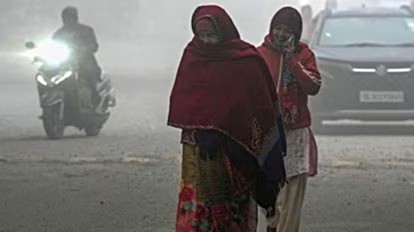
The drop in minimum temperature has altered morning routines across Nagpur. Residents stepping out early reported dense mist in pockets near open grounds, highways, and low lying areas. Visibility dropped significantly in the early hours, particularly between 5 am and 8 am, making driving conditions challenging.
Two wheeler riders and pedestrians were among the most affected, as cold winds combined with moisture in the air increased discomfort. School students commuting early experienced colder conditions, while senior citizens were advised to avoid morning walks during peak cold hours.
Local markets and morning vendors reported delayed footfall as people chose to step out later than usual. The chill was especially noticeable in peripheral areas of the city, where open spaces contribute to faster cooling at night.
Visibility concerns raise road safety issues
Reduced visibility during early morning hours has raised concerns about road safety across Nagpur. Fog like conditions, though not widespread, were sufficient to slow traffic on major arterial roads and highways passing through the city.
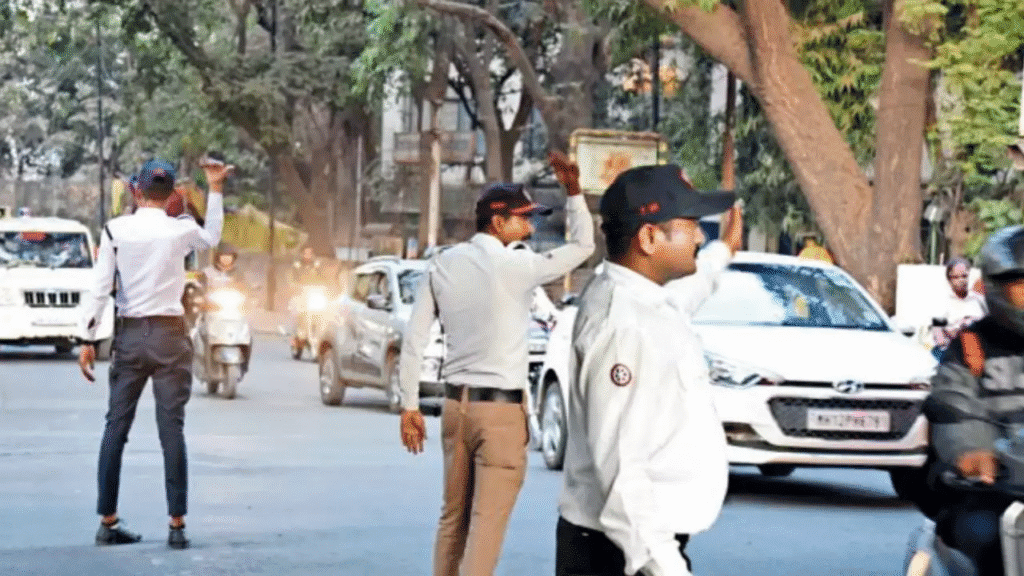
Traffic authorities urged motorists to use headlights responsibly, avoid speeding, and maintain safe distances. Several commuters reported slower travel times due to cautious driving. Public transport services operated normally, but drivers remained alert to sudden visibility drops near junctions and flyovers.
Accident prone zones such as highways, industrial areas, and outskirts required extra vigilance. Authorities emphasized that winter related visibility issues can fluctuate quickly, making it essential for drivers to remain cautious even if conditions appear to improve suddenly.
Weather patterns behind the temperature drop
The current cold spell is linked to north to northwesterly winds transporting colder air into central India. Although Nagpur does not typically experience extreme cold, such seasonal dips occur when atmospheric conditions align, including clear skies and low humidity.
Weather experts note that the absence of cloud cover during night hours accelerates surface cooling. During the day, sunlight helps temperatures recover, but not enough to offset the sharp overnight drop. This results in cold mornings followed by relatively mild afternoons.
Similar temperature trends have been observed across parts of Vidarbha, indicating a broader regional cooling pattern rather than an isolated city level event.
Health advisory as cold conditions persist
Health professionals have advised residents to take precautions as cold mornings can aggravate respiratory issues, joint pain, and seasonal illnesses. Elderly individuals, children, and people with asthma or heart conditions are particularly vulnerable during sudden temperature drops.
Doctors recommend wearing layered clothing, avoiding exposure to cold air during early hours, and staying hydrated despite reduced thirst levels in winter. Cold weather often leads to neglect of fluid intake, which can impact overall health.
Hospitals in the city have reported a gradual increase in cases related to cold induced cough, throat infections, and mild respiratory discomfort, a common seasonal trend during winter months.
Schools, offices, and public response
Schools in Nagpur continued operations as usual, but many institutions advised students to wear adequate winter clothing. Parents were seen ensuring children were properly covered during early drop off hours.
Office goers adjusted schedules slightly, with some opting for work from home where possible or delaying departures to avoid cold exposure. Morning exercise routines in parks saw thinner attendance, with walkers choosing later hours once temperatures rose.
Social media conversations reflected widespread discussion about the sudden chill, with residents sharing temperature readings and visibility experiences from different localities, highlighting how widespread the effect was across the city.
Outlook for the coming days in Nagpur
Weather conditions suggest that cold mornings are likely to continue for the next few days, with minimum temperatures remaining lower than recent averages. While no extreme cold wave warnings are in place for Nagpur, residents should prepare for continued chilly starts to the day.
Visibility conditions are expected to fluctuate based on moisture levels and wind patterns. Any increase in cloud cover or light winds could reduce fog formation, but clear nights will continue to support lower temperatures.
Authorities advise staying informed through daily weather updates and adjusting routines accordingly. Winter conditions, though temporary, require consistent awareness to avoid health and safety issues.
Takeaways
- Nagpur recorded its lowest temperature of the season, intensifying winter conditions.
- Early morning visibility dropped, affecting commuters and road safety.
- Cold mornings are linked to clear skies and regional weather patterns.
- Residents are advised to take health and travel precautions.
FAQs
What caused Nagpur’s temperature to drop suddenly?
Clear night skies and the movement of colder air masses led to rapid surface cooling, resulting in lower minimum temperatures.
How low did visibility drop in the morning?
Visibility reduced significantly in certain areas during early morning hours, especially near open grounds and highways.
Are cold conditions expected to continue?
Yes, chilly mornings are likely to persist for the next few days, although daytime temperatures may remain moderate.
Should residents take special precautions?
Wearing warm clothing, avoiding early morning exposure, and driving cautiously during low visibility hours are recommended.