






Now Reading: North India Cold Wave Intensifies, Schools Closed in Multiple States
-
01
North India Cold Wave Intensifies, Schools Closed in Multiple States
North India Cold Wave Intensifies, Schools Closed in Multiple States
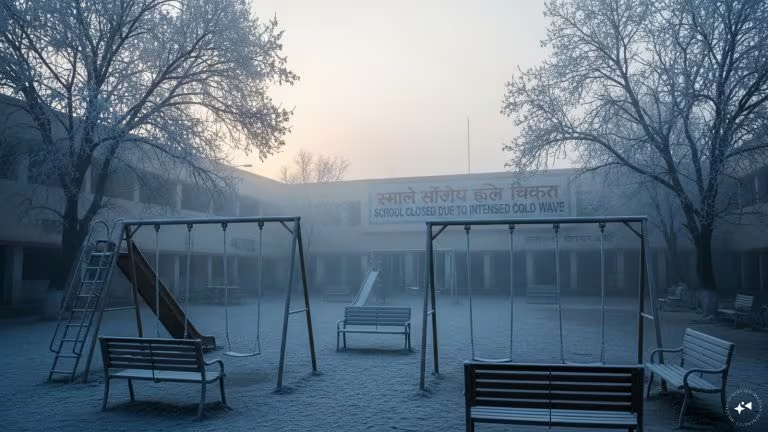
A severe cold wave has tightened its grip across North India, forcing state governments to shut schools in several regions as temperatures plunge well below seasonal averages. The cold wave in North India has disrupted daily life, impacted transport, and raised health concerns, especially for children and the elderly.
The cold wave conditions intensified over the past few days due to persistent northwesterly winds and reduced daytime sunshine. Large parts of North India are experiencing icy mornings, dense fog, and prolonged cold spells, prompting authorities to take preventive measures, including temporary school closures.
Cold wave conditions worsen across northern states
The cold wave in North India has deepened with minimum temperatures dropping sharply in plains and hill-adjacent regions. Several cities recorded night temperatures close to freezing, while daytime temperatures remained unusually low. Meteorological data indicates that dry air intrusion and snow cover in higher altitudes are sustaining these conditions.
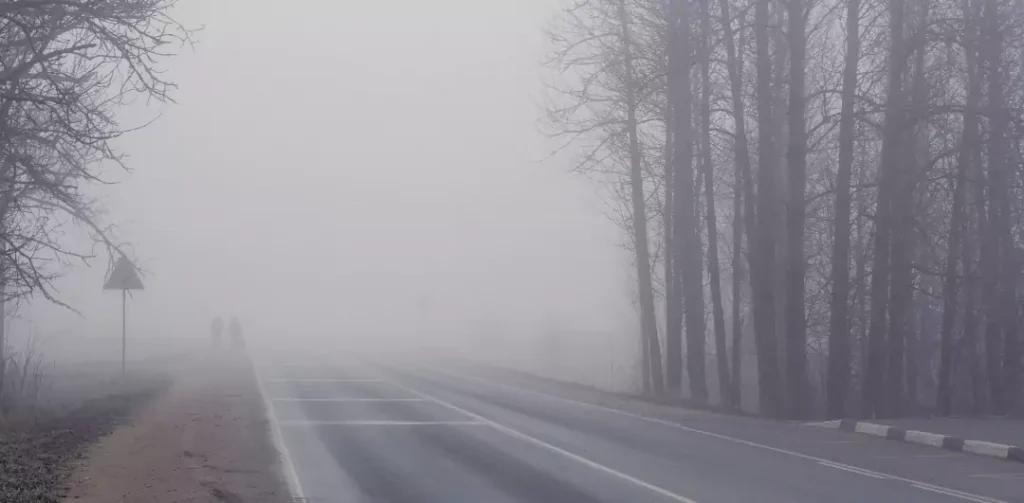
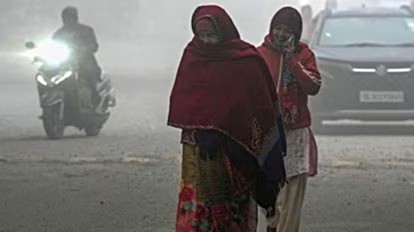
States in the northern belt are witnessing extended cold nights, making early morning outdoor activity difficult. Visibility issues caused by dense fog have also affected road and rail movement in multiple corridors. Weather experts note that the lack of western disturbance activity in recent days has allowed cold air to settle over the region.
Authorities have advised residents to limit early morning exposure, especially children, due to the heightened risk of cold-related illnesses. The cold wave impact is expected to continue intermittently, with only marginal relief during daytime hours.
Schools closed as precautionary measure for student safety
School closures due to cold wave conditions have been announced in several states to protect students from extreme weather exposure. Local administrations directed government and private schools to suspend physical classes for primary and middle sections, with some extending the closure to higher classes depending on local temperature trends.
In urban centres, many schools have shifted to online classes to avoid academic disruption. Rural areas, however, have largely opted for complete closures due to limited digital access. Education departments clarified that the decision is temporary and will be reviewed daily based on weather updates.
Parents have largely welcomed the move, citing concerns over early morning travel and prolonged exposure to cold. School authorities have been instructed to ensure that students are not penalised for attendance during the closure period.
Transport and daily life affected by extreme cold
The intensified cold wave in North India has also disrupted transport services. Dense fog during early morning hours led to delays in train schedules and reduced visibility on highways. Several flights experienced minor delays due to low visibility conditions at northern airports.
Daily wage workers and outdoor labourers are among the most affected, as work hours shrink due to unsafe weather conditions. Municipal bodies in some cities have activated night shelters and distributed blankets to homeless populations to mitigate the cold wave impact.
Healthcare facilities have reported a rise in cold-related complaints, including respiratory issues, joint pain, and seasonal flu symptoms. Doctors advise layered clothing, adequate hydration, and avoiding sudden exposure to cold air.
What weather experts predict for the coming days
According to weather assessments, cold wave conditions are likely to persist in pockets of North India over the next few days. While slight improvement in daytime temperatures is possible, night temperatures are expected to remain low due to clear skies and calm winds.
Meteorologists indicate that any significant relief will depend on the arrival of a western disturbance, which could bring cloud cover and marginal temperature rise. Until then, cold wave alerts remain in place for several districts.
State administrations continue to monitor the situation closely, with district collectors empowered to extend school closures or impose additional safety measures if required.
Government advisories and safety guidelines issued
Government agencies have issued advisories urging citizens to take precautions during the cold wave in North India. People are advised to avoid exposure to cold winds, ensure proper heating arrangements indoors, and check on vulnerable individuals such as the elderly and children.
Schools, anganwadis, and childcare centres have been asked to follow local directives strictly. Transport departments have also instructed drivers to follow fog safety protocols to prevent accidents during low-visibility conditions.
Authorities stressed that these measures are preventive and aimed at minimizing health risks until weather conditions stabilize.
Takeaways
- Cold wave conditions in North India have intensified with sharp temperature drops
- Schools in multiple states have been closed to protect students’ health
- Dense fog and extreme cold are affecting transport and daily routines
- Relief depends on weather system changes in the coming days
FAQs
What is causing the current cold wave in North India?
The cold wave is driven by cold northwesterly winds, clear skies, and reduced western disturbance activity, allowing cold air to persist over the region.
Which areas are most affected by school closures?
Several northern states and districts experiencing severe cold and fog have ordered temporary school closures, especially for younger students.
How long will the cold wave conditions last?
Cold conditions are expected to continue for a few more days, with only gradual relief unless a new weather system brings cloud cover.
What precautions should people take during a cold wave?
Wearing layered clothing, limiting early morning exposure, staying hydrated, and checking on vulnerable individuals are strongly advised.