






Now Reading: Opposition Targets BJP’s Rakesh Sinha Over ‘Vote Chori’ Allegations; RSS Ideologue Denies Wrongdoing
-
01
Opposition Targets BJP’s Rakesh Sinha Over ‘Vote Chori’ Allegations; RSS Ideologue Denies Wrongdoing
Opposition Targets BJP’s Rakesh Sinha Over ‘Vote Chori’ Allegations; RSS Ideologue Denies Wrongdoing

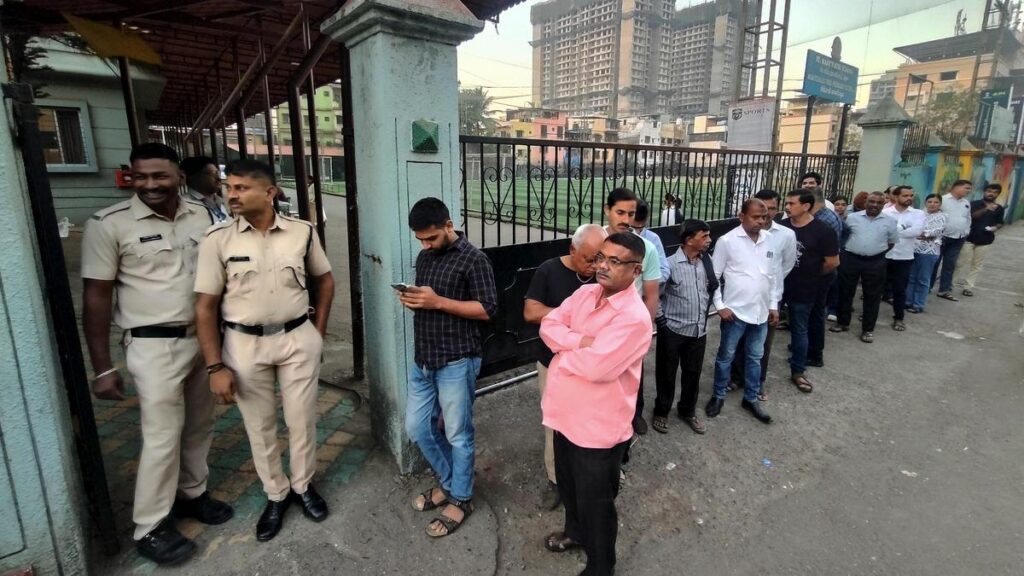
A fresh political controversy has erupted after opposition parties accused BJP leader and Rajya Sabha MP Rakesh Sinha of allegedly voting in two different states during the ongoing assembly elections. The allegation, labelled by the opposition as “vote chori” (vote theft), has triggered heated debates across political circles. Sinha, an RSS ideologue, has strongly rejected the claims, calling them baseless and politically motivated.
How the controversy began
The issue surfaced when opposition leaders shared screenshots and posts on social media, claiming that Rakesh Sinha’s name appeared in the electoral rolls of both Madhya Pradesh and Bihar. The opposition alleged that this amounted to double voting, a serious violation of election law, and demanded immediate action by the Election Commission of India (ECI).
Senior leaders from Congress, RJD, and AAP termed it an example of “systemic manipulation” and questioned the transparency of the voter verification process. Hashtags like #VoteChori and #DoubleVote soon began trending on X (formerly Twitter), amplifying public attention on the issue.
Rakesh Sinha’s response
In a swift rebuttal, Rakesh Sinha dismissed the accusations as an attempt to tarnish his reputation. He stated that he had cast his vote only once and that the claims of double registration were “factually incorrect.” Sinha added that he had followed all legal procedures and that his name’s presence in two voter lists was likely due to a clerical oversight.
He accused the opposition of politicising a routine administrative error to divert attention from their own internal challenges and poor electoral performance.
Opposition demands investigation
Despite Sinha’s clarification, opposition parties have called for a detailed probe by the Election Commission. They argue that such incidents raise serious concerns about the integrity of India’s electoral database and voter verification mechanisms.
Several leaders have urged the ECI to release a public statement clarifying whether any irregularity took place and, if so, how it plans to prevent similar instances in future elections. Some also called for stricter enforcement of the Representation of the People Act, which prohibits an individual from being registered as a voter in more than one constituency.
ECI likely to review complaint
According to election observers, the ECI typically investigates such complaints by cross-verifying electoral rolls and polling records. If duplicate entries are confirmed, they are rectified through the voter deletion process. However, deliberate double voting — if proven — can attract criminal charges.
While the ECI has yet to issue an official statement, sources indicate that the matter is being reviewed as part of its standard verification procedures during the election season.
Wider implications for electoral trust
The controversy has reignited discussions about the need to modernise India’s voter registration system. Experts have long called for greater integration between Aadhaar and voter databases to eliminate duplication, while maintaining privacy safeguards.
For voters in Tier 1 and Tier 2 cities, where turnout often fluctuates due to migration and mobility, accurate registration becomes crucial to maintaining electoral credibility.
Political reactions and public perception
Political analysts suggest that the timing of the allegation — during active polling — has added fuel to an already charged atmosphere. While BJP leaders have rallied behind Sinha, accusing the opposition of spreading misinformation, rival parties continue to use the incident as a symbol of alleged administrative lapses.
Public opinion remains divided, with many citizens expressing concern over the potential for voting irregularities, even if accidental.
Conclusion:
The “vote chori” controversy surrounding Rakesh Sinha has once again highlighted the fragility of trust in India’s electoral process. Whether it turns out to be a clerical error or a deliberate act, the episode underscores the need for transparent voter data management and timely verification by authorities. As the Election Commission reviews the matter, all eyes remain on how it will address growing concerns over electoral integrity in the world’s largest democracy.