




Now Reading: Photo-Shock in Indian Elections: The “Brazilian Model Vote” Mystery
-
01
Photo-Shock in Indian Elections: The “Brazilian Model Vote” Mystery
Photo-Shock in Indian Elections: The “Brazilian Model Vote” Mystery

An unexpected twist in an electoral debate emerged when Rahul Gandhi unveiled a photo of a woman he claimed was used multiple times in voter rolls in Haryana, under different names like “Seema”, “Sweety” and “Saraswati”. The photo traces back to a Brazilian model, stirring questions about image misuse, voter list integrity and political accountability in Indian democracy.
The claim and its ripple effect
In a press conference, Rahul Gandhi alleged that one image appearing repeatedly across voter lists signalled large-scale voting irregularities. The image, originally of Larissa Nery, a Brazilian hairdresser/model, reportedly showed up in voting records at as many as ten different booths. The claim grabbed headlines and triggered a rapid search online for the woman and her role.
The model’s reaction and reality check
Larissa Nery has publicly denied any connection to Indian elections. She said the photo in question was taken years ago when she was about 18-20, and was never intended for political use. She described the situation as surreal, asking “What madness is this?” while dealing with media attention and countless messages from India. Meanwhile, fact-checking showed the image originated from a Brazilian photographer’s online portfolio.
The broader implication for Indian electorates
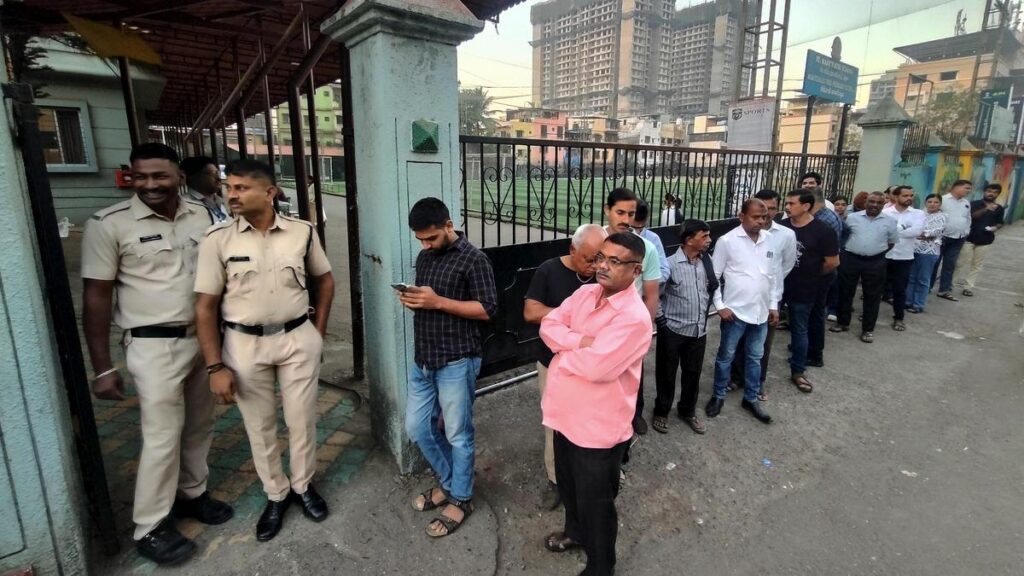
For voters in Tier 2 cities and towns across India, this episode adds fuel to existing concerns about the accuracy of electoral rolls, biometric verification and governance transparency. If accurate, the idea of a single image being used across multiple voter IDs highlights vulnerabilities in identification systems. It also raises the question of how deeply polling mechanisms operate in rural or semi-urban zones where documentation and verification are less strictly monitored.
Political fallout and election integrity debate
The political debate intensified quickly. One side says the claim exposes a systemic threat to India’s democracy; the other side argues it’s a sensational allegation lacking immediate concrete proof and could be used for partisan gain. What matters to voters is not just the claim, but how institutions respond — whether investigation is launched, whether data is audited, and whether accountability follows.
What citizens in smaller cities should keep in mind
In places like Nagpur, Kanpur, or Guwahati, where voters may not have constant access to election-watch resources, awareness becomes key. Checking your voter ID details, verifying your name and address ahead of polling, and reporting discrepancies can empower local electorates. This incident underlines that vigilance is not only for big cities — it matters everywhere.
Conclusion
This image controversy isn’t just about one photograph or one state. It touches a deeper question: Do India’s election systems resist misuse, even in less visible corridors? For everyday voters — especially those outside major metros — the take-away is clear. Stay alert, verify your eligibility, ask questions and expect transparency. That’s how the promise of fair elections holds up — not just in theory, but in action across every town and polling booth.