






Now Reading: Private Schools Fee Hike Debate Intensifies Across Major Cities
-
01
Private Schools Fee Hike Debate Intensifies Across Major Cities
Private Schools Fee Hike Debate Intensifies Across Major Cities
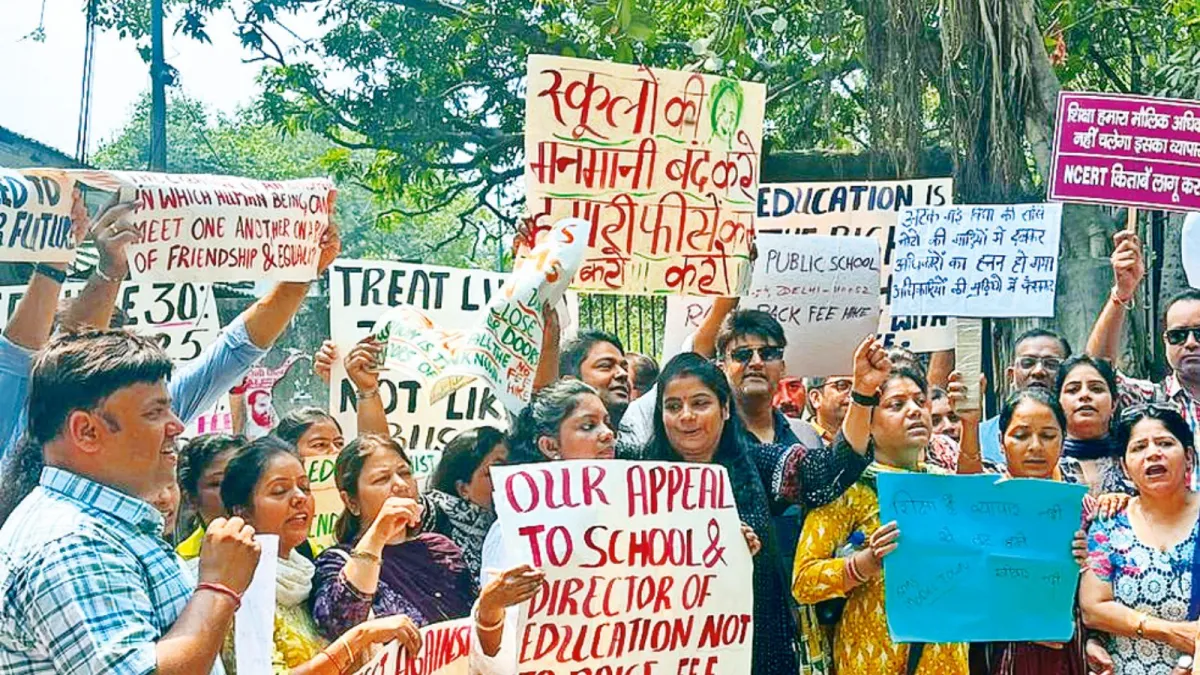
The private schools fee hike debate has intensified across major cities as parents challenge rising education costs ahead of the new academic year. Proposed fee increases have triggered protests, legal scrutiny, and renewed focus on regulation, transparency, and affordability in private education.
Private schools across metropolitan and tier one cities have announced revised fee structures citing higher operational costs, staff salaries, and infrastructure upgrades. Parents’ associations argue that the hikes are steep, poorly explained, and out of sync with income growth, pushing the issue into the public and policy spotlight.
Why Private School Fees Are Rising This Year
The private schools fee hike debate is rooted in cost pressures that schools claim have accumulated over recent years. Institutions point to rising teacher salaries, compliance costs, technology investments, and maintenance expenses. Many schools also cite inflation-linked increases in utilities, transportation, and outsourced services.
Schools argue that fee freezes or minimal hikes in previous years have compressed margins. With enrolments stabilising after pandemic disruptions, managements say adjustments are unavoidable to sustain quality. However, parents counter that cost breakdowns are rarely shared in detail, making it difficult to verify the scale of necessity.
Parent Protests And Legal Challenges Escalate
Across cities, parent groups have organised petitions, protests, and formal complaints against proposed hikes. The private schools fee hike debate has moved beyond individual institutions to become a citywide issue in several regions. Parents are demanding justification, phased increases, or rollbacks where hikes exceed reasonable thresholds.
Legal challenges have also increased. In some cities, parents have approached courts and education departments alleging arbitrary fee structures and non-compliance with state norms. Interim orders in select cases have asked schools to maintain status quo until disputes are reviewed, adding pressure on administrations ahead of admissions season.
Regulatory Framework And State-Level Oversight
Education is a state subject, and fee regulation varies widely. The private schools fee hike debate has highlighted gaps in enforcement and clarity. Some states have fee regulation acts or committees meant to review and approve hikes, while others rely on self-disclosure and grievance redressal mechanisms.
Where regulatory bodies exist, their capacity and speed are often questioned. Parents argue that approvals are granted without adequate scrutiny, while schools say delays and uncertainty disrupt planning. The absence of a uniform national framework has led to inconsistent outcomes across cities.
Impact On Middle Class Families And Enrolment Choices
Rising private school fees are reshaping household decisions, especially for middle income families. The private schools fee hike debate reflects growing anxiety about education affordability as fees compete with housing, healthcare, and daily expenses.
Some families are exploring budget private schools, state board options, or government aided institutions. Others are opting to keep children in the same school despite strain, fearing academic disruption. The pressure is most visible among families with multiple school going children or those entering higher fee brackets in secondary classes.
School Perspective On Quality And Cost Justification
Private schools maintain that quality education requires sustained investment. Administrations argue that parents expect modern facilities, smaller class sizes, digital tools, and extracurricular exposure, all of which carry costs. They contend that fee hikes are aligned with service expectations rather than profit motives.
Schools also point out that teacher retention has become more competitive, with skilled educators seeking better pay and benefits. According to managements, failing to adjust fees risks talent loss and declining academic outcomes. This narrative forms a central pillar of the private schools fee hike debate.
Transparency And Communication Gaps Fuel Distrust
A recurring issue across cities is poor communication. Parents say fee circulars often arrive without advance consultation or clear justification. The private schools fee hike debate has exposed the need for transparent engagement, including itemised cost disclosures and parent representation in decision-making bodies.
Where schools have held open meetings or shared audited statements, resistance has reportedly been lower. This suggests that distrust, rather than cost alone, is driving much of the backlash. Transparency is increasingly seen as essential to defusing conflict.
What Education Authorities Are Considering
Education departments in several states are reviewing complaints and issuing advisories. Discussions include setting caps on annual increases, mandating disclosure norms, and strengthening fee regulation committees. The private schools fee hike debate is pushing authorities to revisit dormant policies and enforcement gaps.
Some states are also exploring digital portals for fee reporting and grievance tracking. These measures aim to reduce disputes by creating clearer processes, though implementation timelines remain uncertain.
Outlook For The Coming Academic Year
The debate is unlikely to settle quickly. With admissions underway and fee deadlines approaching, tensions may rise further before stabilising. Compromises such as phased hikes, deferred payments, or partial rollbacks are emerging in some cases.
Long term resolution will depend on clearer rules, better communication, and realistic cost assessment. Until then, the private schools fee hike debate will remain a recurring flashpoint in urban education.
Takeaways
Private school fee hikes are triggering protests and legal scrutiny
Parents demand transparency and justification for rising costs
Regulatory oversight varies widely across states
Middle class families face increasing education affordability pressure
FAQs
Why are private schools increasing fees now?
Schools cite rising operational costs, teacher salaries, and infrastructure expenses accumulated over recent years.
Can parents legally challenge fee hikes?
Yes, parents can approach education departments or courts if hikes violate state norms or lack transparency.
Are fee regulation laws uniform across India?
No, fee regulation differs by state, leading to inconsistent enforcement and outcomes.
Will fee hikes affect school admissions?
In some cases, higher fees are influencing families to explore alternative schooling options.