





Now Reading: Rahul Gandhi Secures Government Approval for Lok Sabha Pollution Debate
-
01
Rahul Gandhi Secures Government Approval for Lok Sabha Pollution Debate
Rahul Gandhi Secures Government Approval for Lok Sabha Pollution Debate
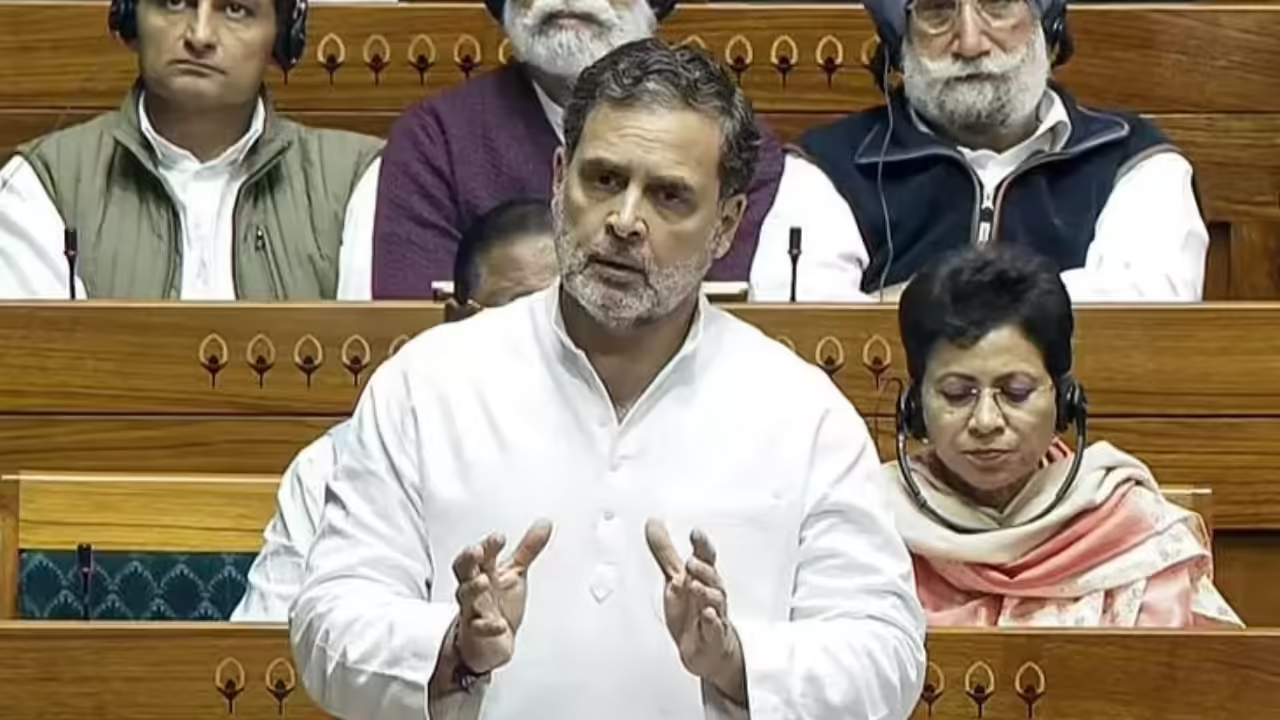
Rahul Gandhi has received government approval to raise a detailed pollution debate in the Lok Sabha, placing air quality and public health back at the centre of parliamentary discussion. The development signals growing political pressure to address India’s worsening environmental crisis.
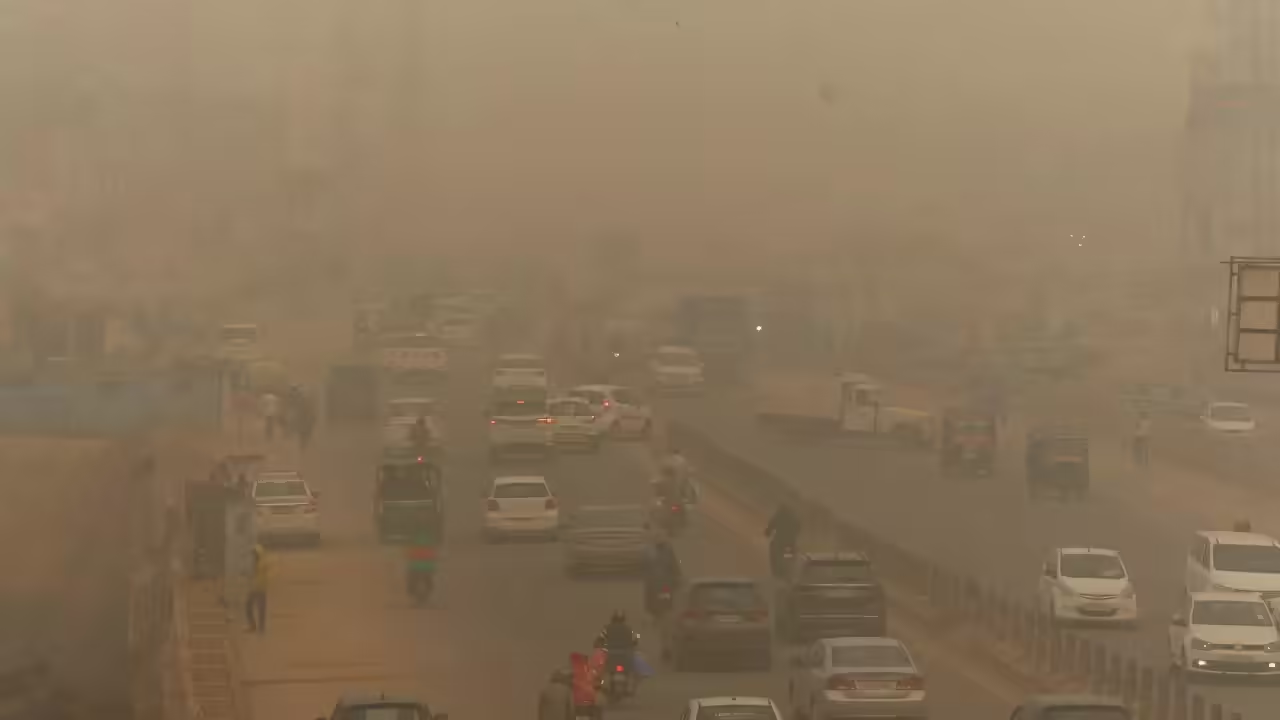
The Rahul Gandhi pollution debate approval comes at a time when air quality across several Indian cities has deteriorated sharply. The Congress leader’s request to discuss pollution in the Lok Sabha was accepted following demands from opposition members who argued that the issue affects millions and requires urgent national attention. The debate is expected to focus on air pollution, health impacts, policy gaps, and accountability across central and state governments.
Government Nod Clears Way for Lok Sabha Pollution Discussion
The government’s decision to allow a Lok Sabha pollution debate marks a rare instance of consensus on an issue that has often seen political friction. Parliamentary affairs officials confirmed that the discussion would be accommodated under formal rules, allowing structured participation from members across parties. Rahul Gandhi has consistently pushed for the issue, citing rising respiratory illnesses, school closures, and economic costs linked to poor air quality.
The debate will allow lawmakers to question existing pollution control measures, including enforcement of emission norms, industrial regulation, and coordination between states. For the opposition, the approval is being positioned as a win for public interest, while the government has maintained that it remains committed to long term environmental reforms.
Why Pollution Has Become a Central Parliamentary Issue
Air pollution has moved from being a seasonal concern to a year round crisis in many parts of India. Cities such as Delhi, Mumbai, Kolkata, and several Tier 2 urban centres regularly record air quality levels above safe limits. The economic impact includes higher healthcare spending, productivity losses, and strain on public health systems.
Rahul Gandhi and other opposition leaders have argued that pollution is no longer an urban elite issue. Rural regions are also affected due to industrial expansion, crop residue burning, and lack of monitoring. Bringing the matter to the Lok Sabha ensures it receives national visibility rather than being handled only through executive orders or court interventions.
Expected Focus Areas During the Debate
The Rahul Gandhi Lok Sabha pollution debate is expected to cover multiple dimensions. Lawmakers are likely to discuss the effectiveness of existing air quality action plans, including urban pollution control programs and vehicle emission standards. The role of state governments in enforcement will also be examined, particularly in regions that share airsheds.
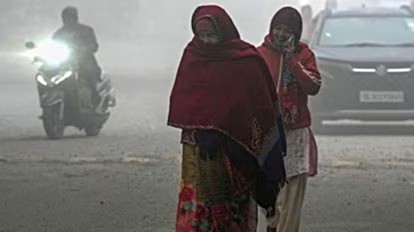
Health data is expected to play a central role, with members highlighting rising cases of asthma, heart disease, and other pollution linked illnesses. There may also be demands for increased funding for pollution monitoring infrastructure, expansion of real time air quality stations, and stronger penalties for industrial violations.
Political Significance for Rahul Gandhi and Opposition
Securing approval for the debate strengthens Rahul Gandhi’s positioning on governance and public health issues. In recent parliamentary sessions, opposition leaders have accused the government of sidelining discussions on citizen centric concerns. The pollution debate offers an opportunity to frame environmental degradation as a governance failure rather than a technical challenge.
For the Congress party, the issue aligns with broader narratives around jobs, health, and quality of life. Other opposition parties are expected to support the discussion, making it a potential flashpoint for coordinated criticism of government policy. The debate could also influence upcoming state and national political discourse, especially in urban constituencies.
Government Stand and Likely Response
The government is expected to defend its record by highlighting initiatives such as cleaner fuel adoption, tighter vehicle norms, renewable energy expansion, and urban air quality missions. Officials have previously stated that pollution control requires behavioural change, inter state cooperation, and sustained investment rather than short term measures.
During the Lok Sabha pollution debate, ministers are likely to stress data showing gradual improvements in select cities and outline future action plans. The government may also caution against politicising environmental issues, arguing that collaborative solutions are more effective than confrontational debates.
Public Expectations From the Lok Sabha Debate
Public response to the approval has been mixed but largely expectant. Civil society groups and environmental experts see the debate as a chance to push for transparent timelines and measurable targets. Many citizens want clear answers on why pollution levels spike annually despite repeated warnings and court directives.
There is also demand for clarity on accountability. Residents affected by pollution want to know which agencies are responsible when air quality deteriorates and what consequences follow failures. The debate may not deliver immediate solutions, but it can shape legislative priorities and budget allocations in future sessions.
What Happens After the Debate Matters Most
While the Rahul Gandhi pollution debate approval is symbolically important, its impact will depend on outcomes. Observers note that parliamentary debates often generate headlines but limited follow through. Concrete policy commitments, legislative amendments, or funding announcements would determine whether the discussion leads to real change.
Experts argue that sustained parliamentary oversight is necessary to ensure pollution control does not fade once seasonal conditions improve. The upcoming debate will test whether environmental health can remain a bipartisan priority in India’s legislative process.
Takeaways
- Rahul Gandhi secured government approval for a formal Lok Sabha pollution debate
- The discussion is expected to focus on air quality, health impact, and policy gaps
- Opposition sees the nod as a win for public interest and accountability
- Real impact will depend on follow up actions after the parliamentary debate
FAQs
What does the government nod mean for Parliament?
It allows a structured and time bound discussion on pollution during Lok Sabha proceedings with participation from all parties.
Why is Rahul Gandhi focusing on pollution now?
Rising air pollution levels and public health concerns have made it a pressing national issue affecting both urban and rural populations.
Will the debate lead to new laws?
A debate alone does not create laws, but it can influence future legislation, funding decisions, and policy direction.
When is the pollution debate expected to take place?
The discussion is expected during the current parliamentary session as scheduled by parliamentary affairs authorities.