






Now Reading: Rain induced flood threats rise in southern cities as citizens prepare
-
01
Rain induced flood threats rise in southern cities as citizens prepare
Rain induced flood threats rise in southern cities as citizens prepare
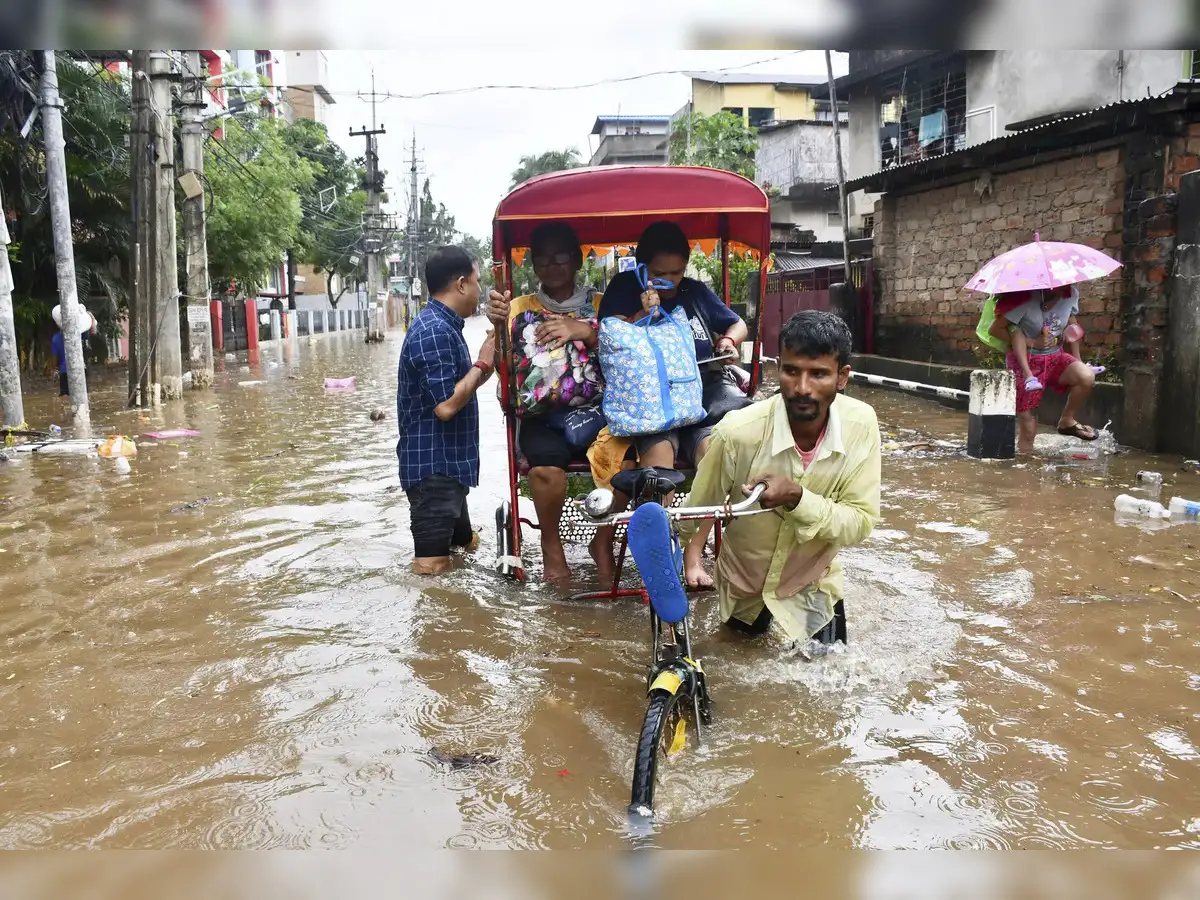
Urban climate rain induced flood threats in southern cities have intensified this season, prompting authorities and residents to prepare for recurring waterlogging, drainage stress and infrastructure disruptions. The main keyword reflects the growing impact of erratic rainfall patterns on rapidly expanding metropolitan areas in the south.
Cities such as Chennai, Bengaluru, Hyderabad, Kochi and parts of coastal Tamil Nadu and Karnataka continue to face climate driven vulnerabilities. Heavy rain events are becoming more frequent, exposing gaps in drainage networks, stormwater systems and urban planning.
Why southern cities face repeated rain induced flooding
Southern cities share common vulnerabilities despite having different geographical profiles. Rapid urbanisation is one of the primary factors weakening resilience. Construction over natural drainage channels, encroachment on lake beds and inadequate stormwater systems reduce the capacity of cities to absorb intense rainfall.
Chennai and its surrounding districts face additional pressure due to coastal topography and low lying residential clusters. Bengaluru struggles with lake overflow, blocked drains and shrinking wetlands. Hyderabad witnesses flash flooding as impermeable surfaces increase, preventing natural groundwater absorption.
Climate scientists note that rainfall patterns have shifted toward shorter but more intense bursts. These cloudburst like events overwhelm existing infrastructure even when seasonal rainfall levels remain within normal range. This shift has made urban flood management one of the most urgent environmental challenges in southern India.
Infrastructure strain affects transport, water supply and power systems
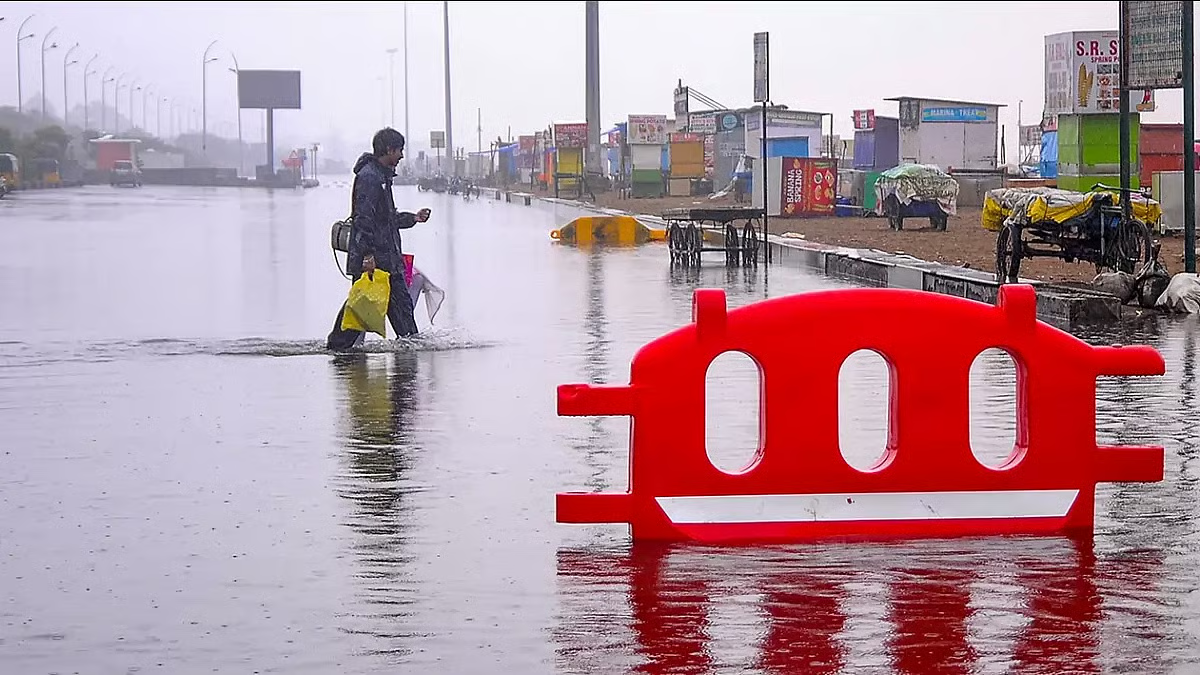
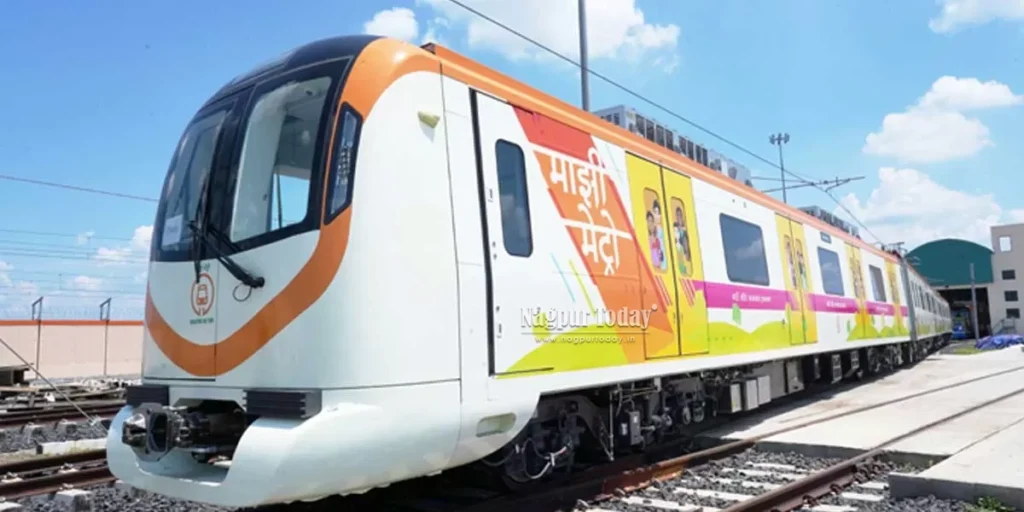
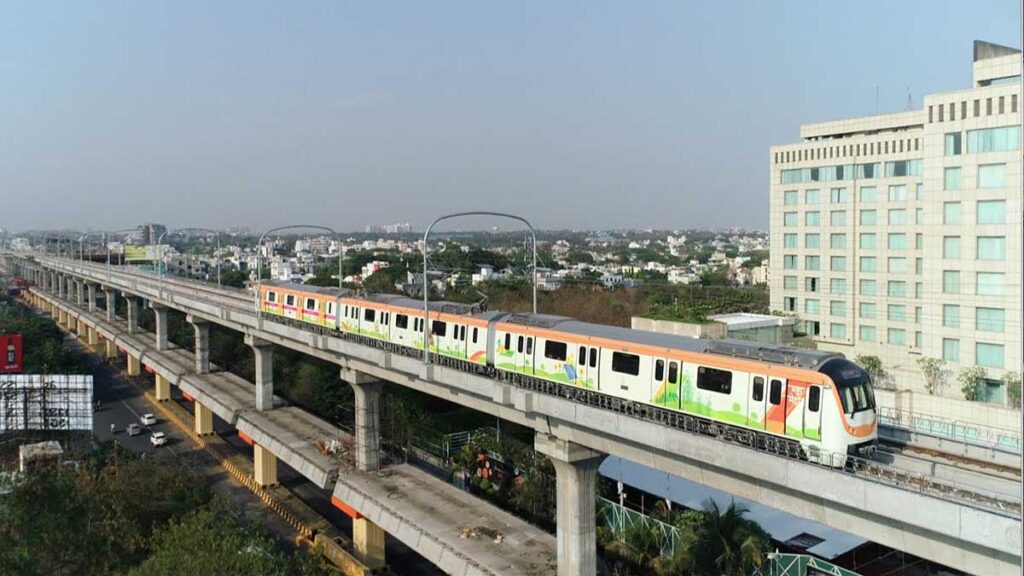
Urban flooding disrupts daily life by affecting core civic services. Traffic congestion increases as major road sections become waterlogged. Public transport services operate with delays or diversions. In severe cases, bus routes and metro access points experience partial closures.
Water supply systems also face challenges. Flooded pumping stations, contaminated river inflows and shutdowns for safety inspections can interrupt distribution. Power outages occur in pockets where substations or transformers face flood risk. Electricity departments often switch off supply temporarily to prevent short circuits and accidents.
These disruptions highlight the need for citizens to be prepared for temporary shortages or delays during peak rain events. Emergency kits, alternative commute plans and timely information access become essential tools for navigating urban flood conditions.
What citizens should do during heavy rain and flood warnings
Authorities advise residents to follow a set of precautionary measures during heavy rainfall or official warnings. Citizens should avoid stepping into flooded streets, especially those with open drains or submerged manholes. Even shallow water flow can be dangerous due to sudden pressure changes or hidden debris.
People living in low lying or flood prone areas should move essential belongings to higher shelves, keep electrical appliances unplugged and prepare backup lighting sources. Families should store drinking water, packed food and basic medical supplies in case of extended power or water disruption.
Commuters should use main roads instead of interior lanes and follow traffic advisories closely. Avoiding underpasses is crucial because these areas flood quickly. Residents are also encouraged to track weather alerts through official government apps or district administration platforms.
Home and neighbourhood level preparedness can reduce impact
Citizens can reduce localised flooding by maintaining basic drainage cleanliness around homes. Clearing leaves, garbage and plastic waste from street drains improves water flow during sudden downpours. Communities can also organise weekend clean ups to remove debris blocking secondary drainage lines.
Homes with ground level entry points can install flood barriers or temporary sandbags to prevent water ingress. Those living in independent houses should keep roof drains free from blockage to avoid overflow that can weaken walls or damage wiring.
Parking vehicles on higher ground or designated areas is essential during flood forecasts. Water damage to engines or electrical systems can lead to costly repairs. Avoid parking close to trees during storms to reduce the risk of falling branches.
Authorities intensify urban flood preparedness measures
City administrations are upgrading stormwater systems, desilting major drains and strengthening lake rejuvenation projects. Emergency response teams are being deployed to monitor vulnerable pockets, manage traffic diversions and conduct rescue operations when required.
Smart city control rooms in Chennai, Bengaluru and Hyderabad are using real time rainfall, traffic and flood mapping tools to coordinate responses. These systems help authorities send timely alerts, activate pumping stations and deploy support teams in clusters reporting rising water levels.
However, officials emphasise that infrastructure upgrades require long term commitment. Citizens must complement these efforts with responsible waste management, adherence to construction norms and cooperation during emergency responses.
Long term changes needed to address climate driven flooding
Experts argue that flood resilience must become a central pillar of urban planning. Cities need revised zoning laws that protect wetlands, restore natural drainage channels and prevent construction in flood sensitive zones.
Investment in permeable pavements, green roofs, rainwater harvesting and micro drainage networks can significantly reduce runoff. Integrating climate projections into city master plans will help ensure that infrastructure can withstand future rainfall patterns.
Public awareness remains key. When citizens understand why certain zones must remain undeveloped or why waste segregation matters for drainage, community cooperation strengthens city level resilience.
Takeaways
Rain induced flood threats in southern cities are rising due to rapid urbanisation and intense rainfall patterns.
Transport, power and water services face disruptions during major flooding events.
Citizens must follow safety measures, stay informed and prepare homes for heavy rainfall impacts.
Long term urban planning and community participation are essential for building flood resilient cities.
FAQs
Why do southern cities flood so frequently now?
Because rapid construction, reduced natural drainage and intense short duration rainfall overwhelm existing infrastructure.
What should citizens do during heavy rain alerts?
Avoid flooded areas, follow official advisories, store essentials, protect electrical appliances and use main roads for travel.
How can neighbourhoods reduce local flooding?
By keeping street drains clean, removing waste from channels, using sandbags and maintaining roof drainage systems.
Will flooding worsen in the coming years?
Unless urban planning incorporates climate resilience, flooding may intensify due to changing rainfall patterns.