









Now Reading: RBI Signals Cautious Stance on Interest Rates Ahead
-
01
RBI Signals Cautious Stance on Interest Rates Ahead
RBI Signals Cautious Stance on Interest Rates Ahead
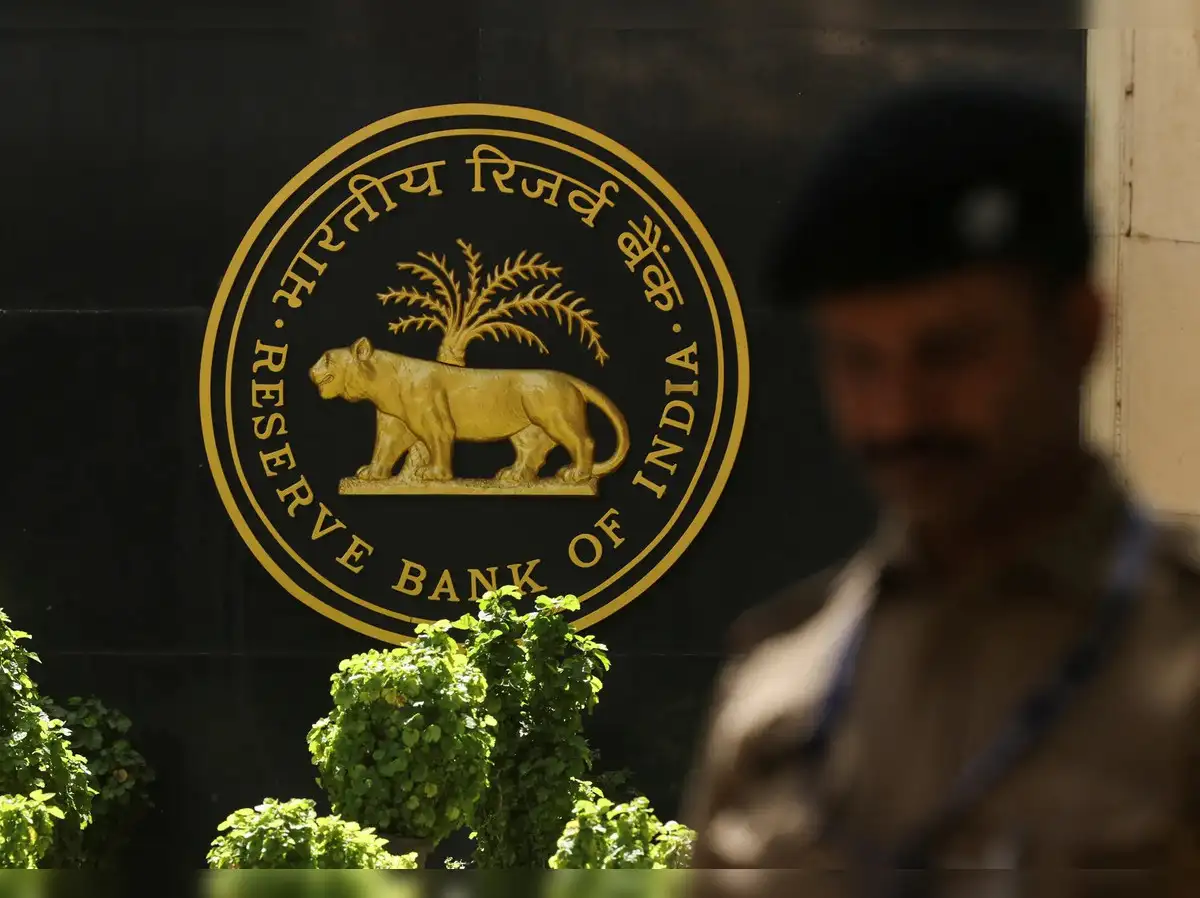
The RBI interest rates outlook has turned cautious as inflation risks persist and global uncertainty remains high. Recent policy signals indicate the central bank is prioritising stability and data-driven decisions over aggressive rate changes in the near term.
The Reserve Bank of India has signalled a cautious stance on interest rates ahead, reflecting its focus on inflation management and economic stability. RBI interest rates have remained unchanged in recent policy reviews, with the central bank opting to assess evolving domestic and global conditions before taking further action. This approach aligns with the RBI’s mandate to balance growth support while keeping inflation within the target range.
RBI Policy Signals Focus on Inflation Control
RBI policy communication in recent weeks has consistently highlighted inflation as a key concern. While headline inflation has shown periods of moderation, core inflation pressures remain sticky due to food prices, fuel volatility, and services costs. The central bank has reiterated that premature rate cuts could reverse hard-won gains in price stability.
Officials have stressed that monetary policy decisions will be guided by incoming data rather than fixed timelines. This cautious tone suggests that any change in interest rates will depend on sustained evidence of inflation easing rather than short-term fluctuations.
Why RBI Is Avoiding Aggressive Rate Moves
The RBI interest rates strategy reflects lessons from global monetary tightening cycles. Major central banks worldwide have adopted a wait-and-watch approach as higher rates begin to impact consumption, investment, and credit growth. For India, domestic demand has remained resilient, but uneven global growth poses risks to exports and capital flows.
By holding rates steady, the RBI aims to avoid unnecessary shocks to borrowers while ensuring inflation expectations remain anchored. Aggressive rate cuts could weaken the rupee and increase imported inflation, while hikes could slow credit growth at a time when private investment is gradually picking up.
Impact on Borrowers and Savers
A cautious interest rate stance has mixed implications for households and businesses. Home loan and personal loan borrowers are unlikely to see immediate relief in EMIs, as lending rates remain elevated. However, stability in rates provides predictability, allowing borrowers to plan finances without sudden changes.
For savers, fixed deposit returns remain attractive compared to previous years. Banks continue to offer competitive deposit rates to mobilise funds, benefiting conservative investors seeking stable returns. The RBI’s approach helps maintain this balance between borrower stress and saver confidence.
Market and Banking Sector Response
Financial markets have responded calmly to the RBI’s cautious signals. Bond yields have shown limited volatility, reflecting expectations that rates will remain steady in the near term. Equity markets have largely priced in a prolonged pause, with investors focusing more on corporate earnings and global cues.
Banks have adjusted their lending and deposit strategies accordingly. Credit growth remains healthy, supported by retail and small business demand. The absence of abrupt policy shifts has allowed banks to manage liquidity and asset quality more effectively.
What This Means for Economic Growth
The RBI interest rates outlook plays a critical role in shaping India’s growth trajectory. A steady policy environment supports consumption and investment decisions, particularly in interest-sensitive sectors like housing and infrastructure. At the same time, the central bank remains vigilant against inflationary risks that could erode purchasing power.
Economists expect the RBI to maintain its cautious stance until there is clearer evidence of sustained inflation control. Any future rate action is likely to be gradual and well-telegraphed, ensuring minimal disruption to the broader economy.
Takeaways
RBI has signalled no immediate change in interest rates, emphasising caution
Inflation control remains the central bank’s top priority
Borrowers may not see quick EMI relief, while savers benefit from stable returns
Future rate decisions will depend on consistent economic and inflation data
FAQs
Why is the RBI keeping interest rates unchanged?
The RBI is prioritising inflation control and economic stability, choosing to wait for clearer data before making any rate changes.
Will home loan EMIs reduce soon?
Immediate reductions are unlikely, as the central bank has not indicated near-term rate cuts.
How does this affect fixed deposit investors?
Stable interest rates help maintain attractive fixed deposit returns for savers.
When could the RBI change its interest rate stance?
Any change will depend on sustained easing of inflation and overall economic conditions.