



Now Reading: RBI’s Policy Stance Signals What 2026 Could Mean For Loans
-
01
RBI’s Policy Stance Signals What 2026 Could Mean For Loans
RBI’s Policy Stance Signals What 2026 Could Mean For Loans
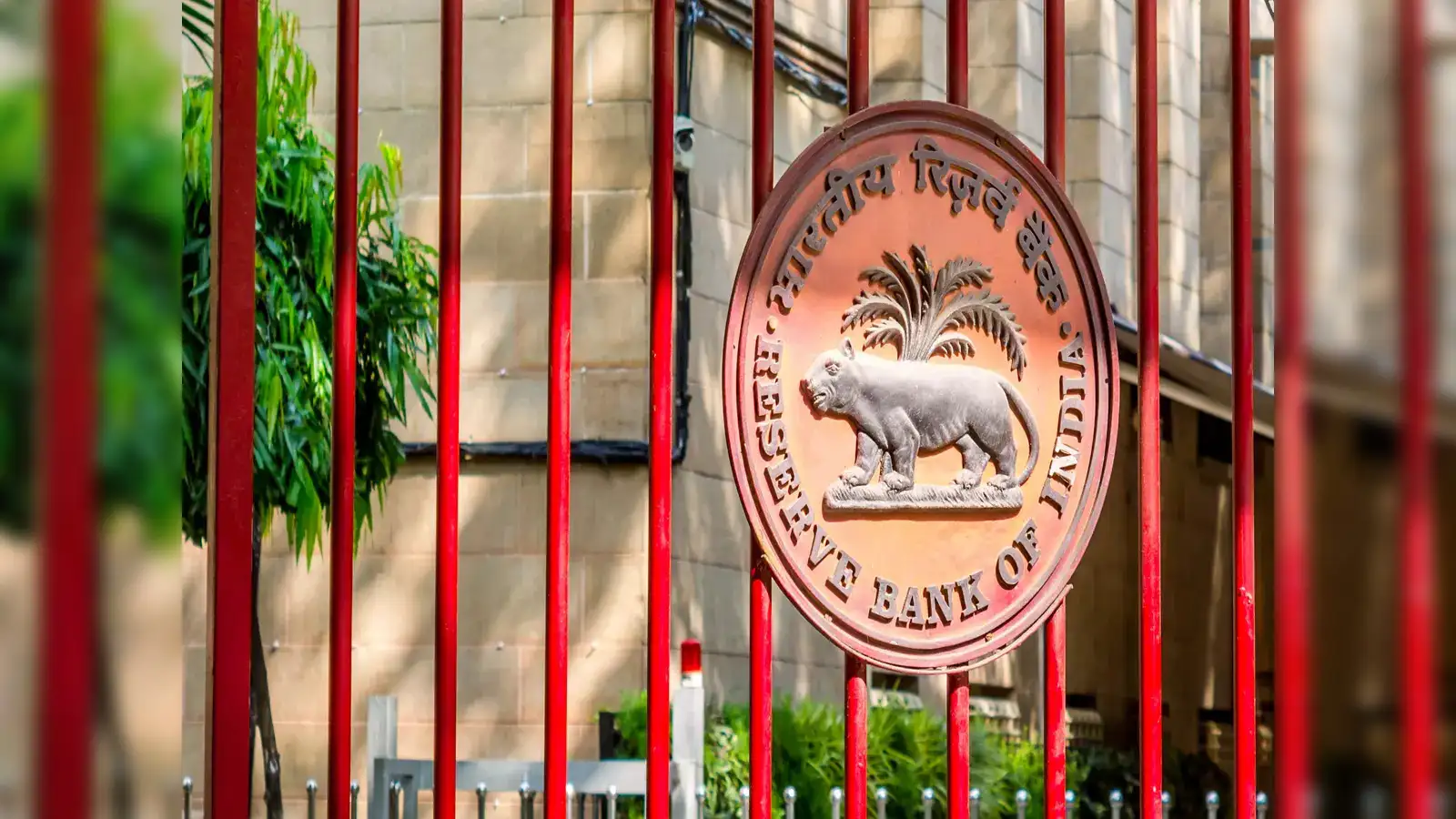
RBI’s policy stance is shaping expectations around loan interest rates heading into 2026, with borrowers, banks, and markets closely tracking signals from recent monetary policy decisions. Stable rates, inflation control, and liquidity management remain central to the outlook for future loan costs.
RBI’s policy stance has become a key reference point for households and businesses planning long term borrowing. As inflation moderates but global risks persist, the central bank’s calibrated approach offers early clues on how loan rates could behave through 2026.
RBI policy stance reflects cautious balance between growth and inflation
The Reserve Bank of India has maintained a cautious policy stance, prioritising inflation control while avoiding aggressive tightening that could hurt growth. Policy rates have remained unchanged in recent reviews, indicating that the RBI is comfortable with current monetary conditions but not ready to declare victory over inflation risks.
This stance reflects concerns around food price volatility, energy costs, and global economic uncertainty. At the same time, domestic demand has shown resilience, reducing the urgency for rate cuts. For borrowers, this means loan interest rates are unlikely to fall sharply in the near term, but a prolonged high-rate environment may also be avoided.
The RBI policy stance continues to emphasise data-driven decisions rather than fixed timelines, shaping expectations for 2026.
What current signals mean for home loan borrowers
Home loan borrowers are among the most sensitive to RBI’s policy stance. With the repo rate unchanged for multiple policy cycles, most banks have kept lending rates steady. This has provided temporary relief to borrowers who faced sharp EMI increases during earlier rate hikes.
Looking ahead to 2026, sustained inflation within the RBI’s tolerance band could open the door for gradual rate cuts. However, such cuts are expected to be measured rather than aggressive. Borrowers planning long tenure home loans may benefit from rate stability, while those waiting for deep cuts may need to temper expectations.
Banks are also focusing more on credit quality, meaning loan eligibility norms may remain tight even if rates soften.
Impact on personal loans, auto loans, and consumer credit
RBI’s policy stance also affects unsecured loans such as personal loans and credit card borrowing. These segments have seen rapid growth, prompting the central bank to flag concerns around excessive risk-taking.
As a result, even if policy rates ease by 2026, personal loan interest rates may not fall at the same pace as secured loans. Banks and NBFCs are likely to maintain higher risk premiums, especially for borrowers with weaker credit profiles.
Auto loans may see moderate relief if borrowing costs ease, but lenders are expected to remain selective. The message from RBI remains clear that credit growth should be sustainable and not fuelled by easy money.
Corporate borrowing and business loan outlook for 2026
For businesses, RBI’s policy stance signals relative stability rather than stimulus-driven expansion. Large corporates with strong balance sheets may benefit from marginally lower borrowing costs if rate cuts begin in late 2025 or 2026.
Small and medium enterprises, however, could continue facing higher effective rates due to credit risk assessments and collateral requirements. The RBI has encouraged banks to support productive sectors, but without compromising asset quality.
Infrastructure and manufacturing projects with long gestation periods are likely to see cautious lending, aligning with the RBI’s broader focus on financial stability.
How global factors influence RBI’s loan rate decisions
Global monetary trends continue to influence RBI’s policy stance. Interest rate decisions by major central banks, crude oil price movements, and geopolitical developments remain key variables.
If global inflation remains sticky or financial markets turn volatile, the RBI may delay rate cuts even if domestic conditions improve. Conversely, a supportive global environment could allow the RBI to shift towards a more accommodative stance by 2026.
This interconnected landscape means borrowers should view RBI signals as directional rather than definitive promises.
What borrowers should realistically expect in 2026
RBI’s policy stance suggests that 2026 is more likely to bring gradual easing rather than dramatic changes in loan rates. Stability, predictability, and inflation management remain the core priorities.
Borrowers are advised to focus on improving credit scores, managing debt prudently, and choosing loan products with flexible rate structures. Floating-rate loans may benefit from future easing, while fixed-rate borrowers gain certainty in the short term.
The central bank’s consistent messaging indicates that policy decisions will continue to balance growth ambitions with long-term financial discipline.
Takeaways
- RBI’s policy stance points to stability rather than sharp rate cuts
- Home loan rates may ease gradually if inflation stays controlled
- Unsecured loans likely to remain costlier despite policy shifts
- 2026 loan outlook depends on both domestic and global conditions
FAQs
Is RBI planning to cut interest rates soon?
RBI has not committed to immediate rate cuts and continues to take data-driven decisions based on inflation and growth trends.
What does RBI’s policy stance mean for home loan EMIs?
EMIs are likely to remain stable in the near term, with potential for gradual relief if rates ease in the future.
Will personal loan interest rates fall by 2026?
Personal loan rates may soften slightly, but risk premiums are expected to keep them relatively higher than secured loans.
How should borrowers prepare for future loan changes?
Borrowers should maintain strong credit profiles, compare loan products carefully, and plan finances assuming gradual changes rather than sudden relief.